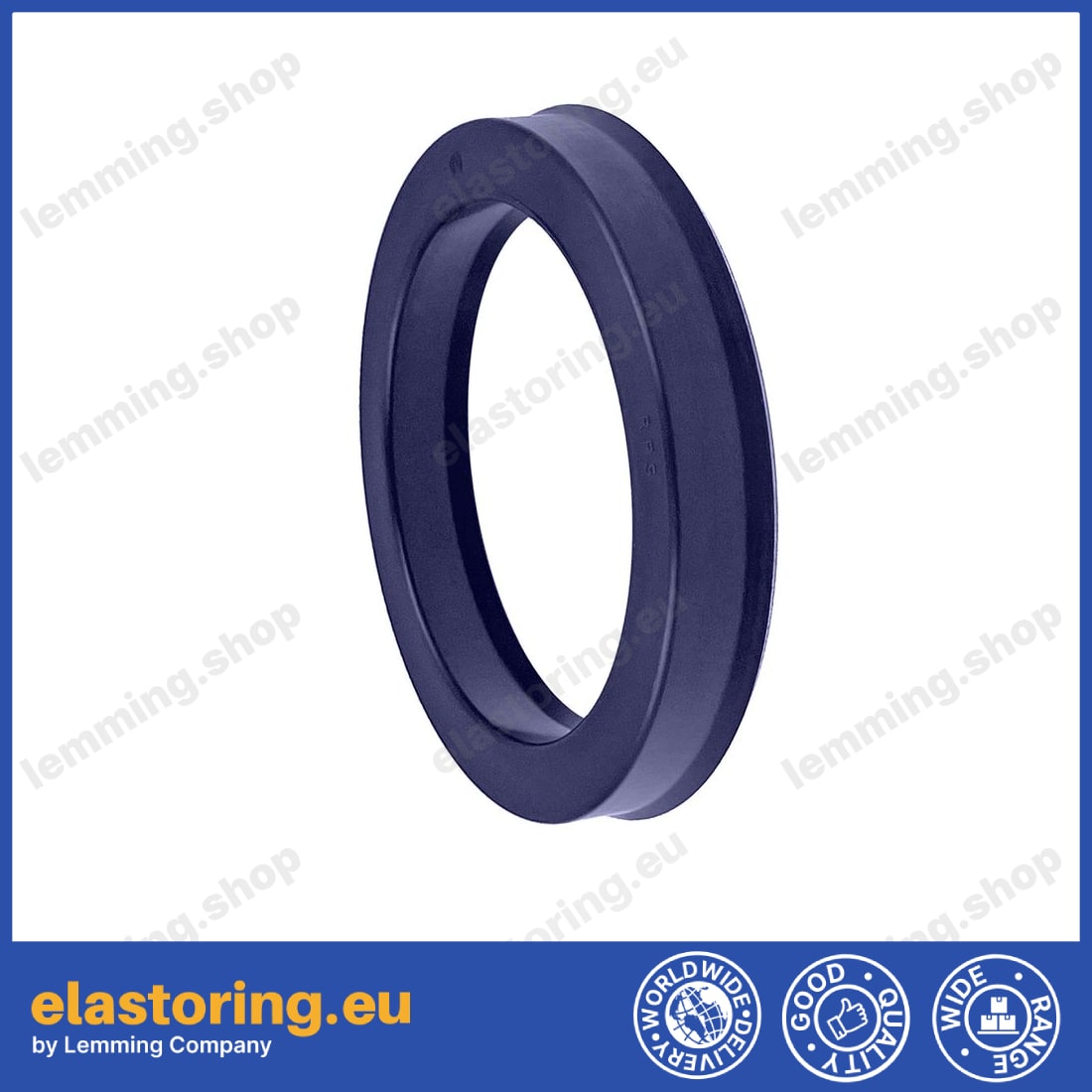
Rod-Piston seal RPS 35x45x8 C0
| Code | RPS 0350 0450 080 C0 | |
|---|---|---|
| In stock | 34 | pcs |
| Priceexcl. VAT | From €2.40 | /pcs |
Price by quantityexcl. VAT
Interchangeable
StockCode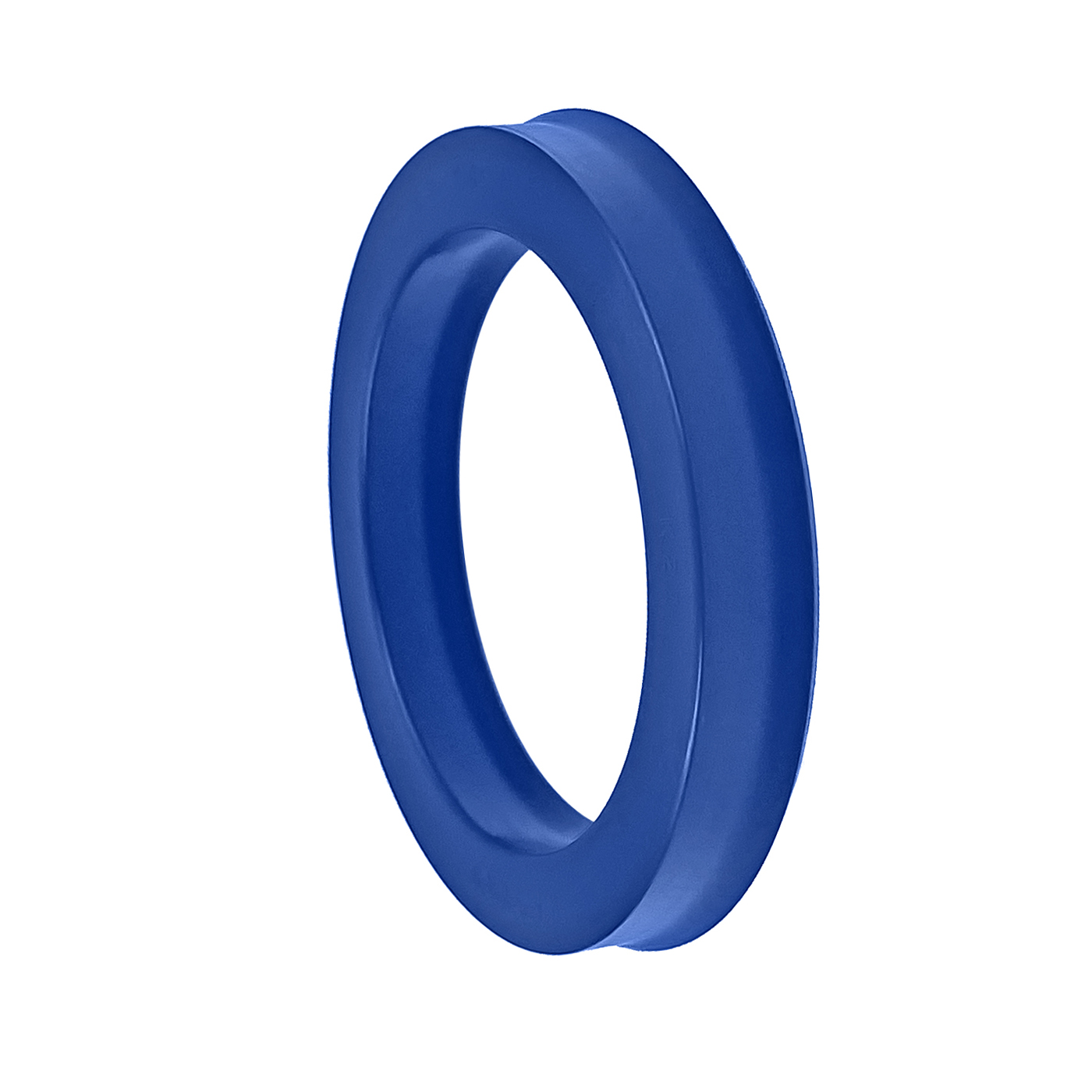
Technical data
| Seal type | RPS | |
|---|---|---|
| Material type | PU | |
| Foreign code | 2ERPS283 | |
| Brand | Artic seals | |
| Weight | 5 | g |
| Rod diameter d | 35 | mm |
|---|---|---|
| Groove Diameter D | 45 | mm |
| Seal width h | 8 | mm |
Documents
- Artic RPS - cataloguepdf fileDownload
Description
The universal RPS seal features a symmetrical profile with sealing lips of equal length. This design and the optimal groove depth allow it to be used both as a rod (gland) seal and as a piston seal in single-acting or double-acting hydraulic cylinders. The symmetrical geometry ensures even lip pressure and a stable fit in the housing, reducing friction and ensuring smooth linear motion even at low pressure. The product is made of C0 polyurethane with a hardness of 94 Shore A. This material has a high modulus of elasticity, a low compression set and increased resistance to abrasion and mechanical wear. The RPS seal is intended for use in mineral oils and standard hydraulic fluids. Technical data: Inner diameter (d): 35 mm Outer diameter (D): 45 mm Height / thickness (H): 8 mm Dimensions in inches: 1.378 × 1.772 × 0.315 in Material: Polyurethane C0 (94 Shore A) Manufacturer code: RPS 0350 0450 080 C0 Gapi code: 2ERPS283 SKU: 26718 Installation recommendations: Before installing the RPS seal, thoroughly clean the housing and remove burrs and sharp edges from the cylinder components to avoid damaging the sealing lip. It is recommended to coat the ring with hydraulic oil or a suitable grease before installation, which makes it easier to seat the element in the groove and to insert the piston rod or install it inside the cylinder sleeve.
Material
PU / TPU / H-PU (polyurethane)
- Standard PU / TPU-30 °C to +80 °C
Best for high pressure and abrasion, in mineral hydraulic oil. Standard PU must never meet hot water, steam or brake fluid, or run hotter than +90 °C.
| Can be used | Do not use |
|---|---|
| Extreme pressure and pulsation (up to 40-50 MPa, very resistant to extrusion into the gap) | Hot water and steam with standard PU: hydrolysis, it breaks down into powder |
| Abrasion, friction, cutting and tearing (4-5 times tougher than NBR) | Glycol brake fluid (DOT 3, DOT 4, DOT 5.1): swells quickly |
| Mineral hydraulic oil (HL, HLP) and grease | High temperatures above +90 to +100 °C with standard TPU: it softens |
| Fuel oil, diesel and technical oils (aliphatic hydrocarbons) | Strong (concentrated) acids and alkalis: sulfuric, nitric, caustic soda |
| Ozone, weather and sunlight (does not crack from weather) | Acetone, MEK, toluene, benzene, dichloromethane (polar and aromatic solvents) |
| Water-based fire-resistant fluids HFA, HFB (only special H-PU) | Synthetic ester oils and fire-resistant fluid HFD-R |
| Dry compressed air and technical gases | Strong alcohols (methanol, ethanol): swelling |
Water and heat destroy standard PU: above +50 to +60 °C in water or damp oil it turns into a sticky paste or crumbles. If the system contains water or an emulsion, use only H-PU (hydrolysis-resistant).
We recommend: Industrial chemicals
View all
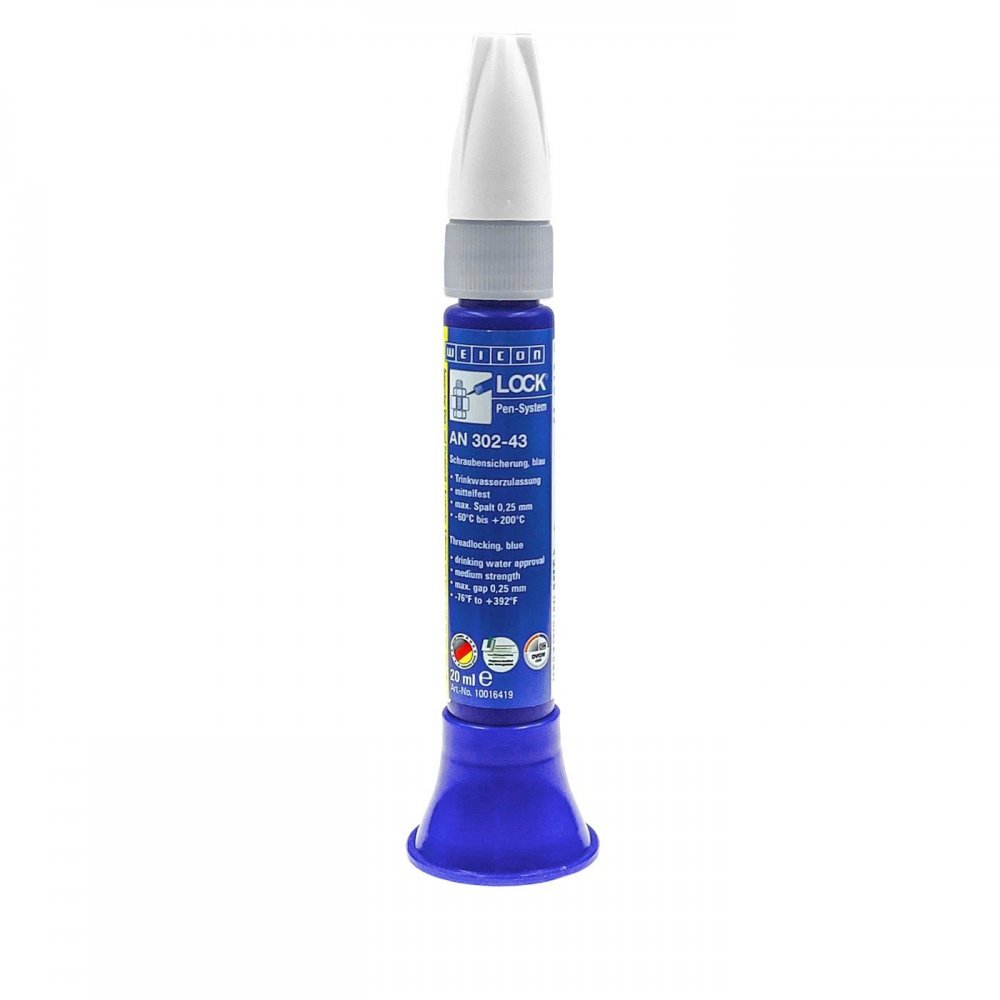 WEICONLOCK AN 302-43 thread locking agent 20 ml [30243020]
- Code
- 10016419
- In stock
- 3pcs
- Price excl. VAT
- €11.89/ pcs
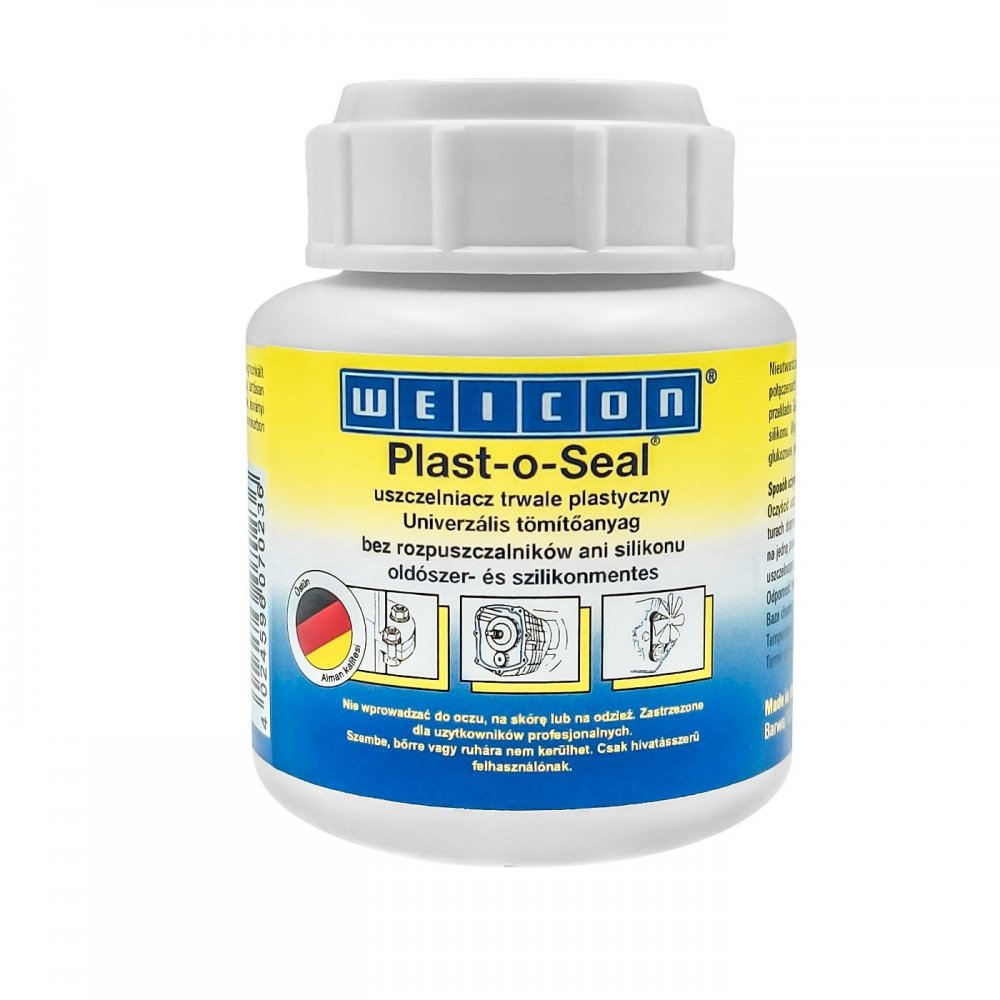 WEICON Plast-o-Seal universal sealant 120 g [30000120-51]
- Code
- 10046481
- In stock
- 15pcs
- Price excl. VAT
- €11.89/ pcs
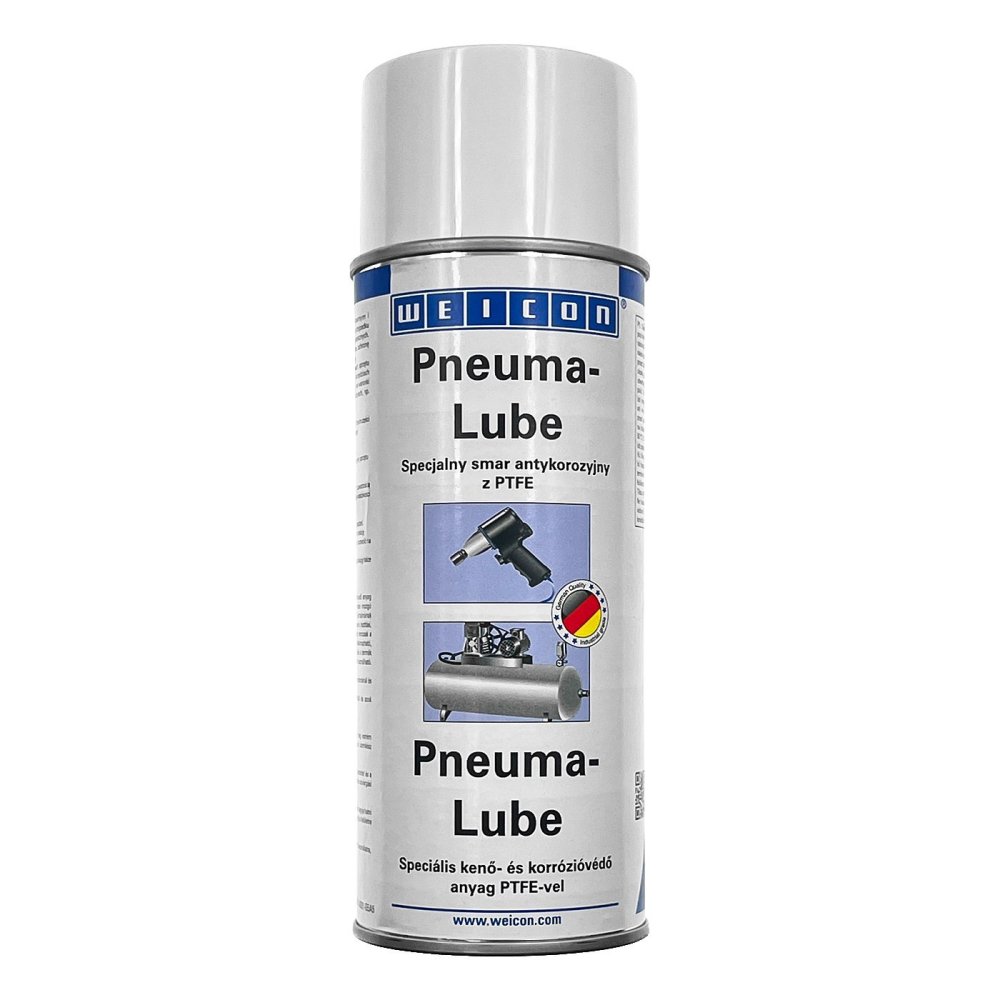 WEICON Pneuma-Lube Spray 400 ml
- Code
- 10049380
- In stock
- 12pcs
- Price excl. VAT
- €12.66/ pcs
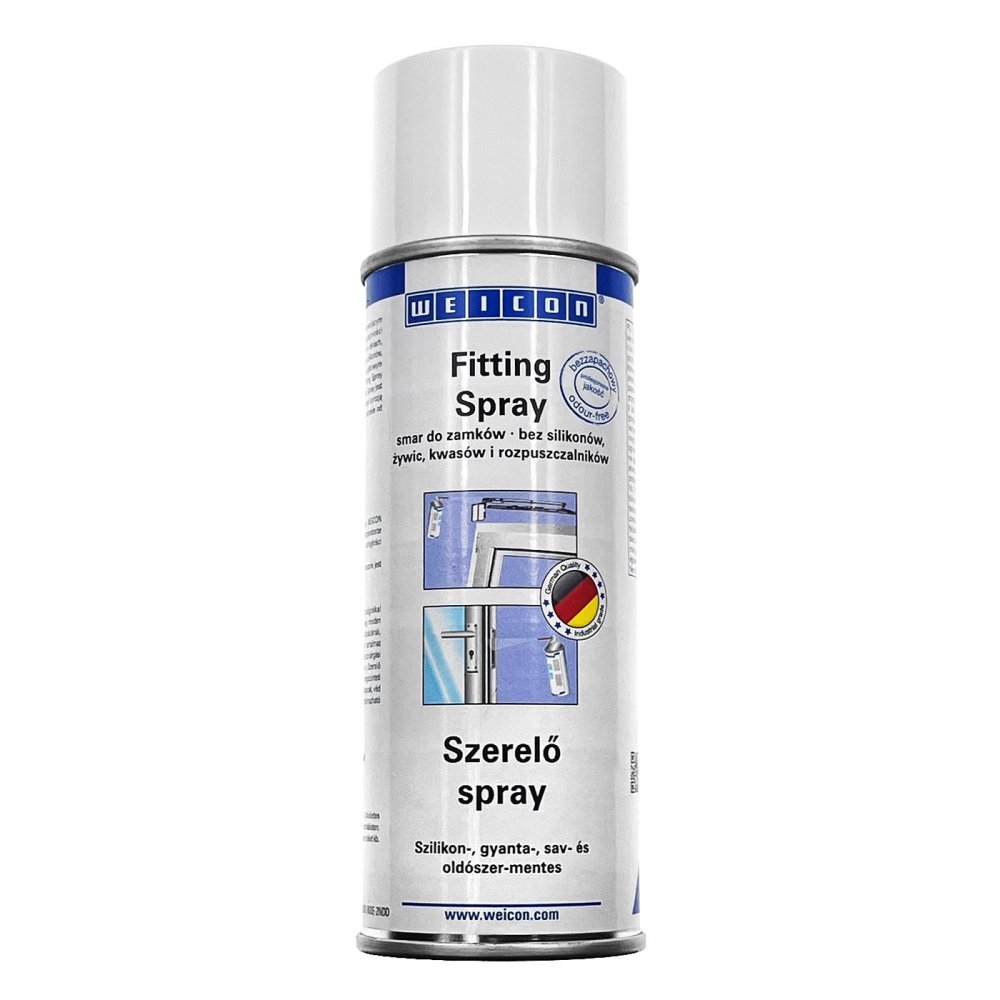 WEICON Fitting Spray 200 ml
- Code
- 10037560
- In stock
- 8pcs
- Price excl. VAT
- €10.61/ pcs
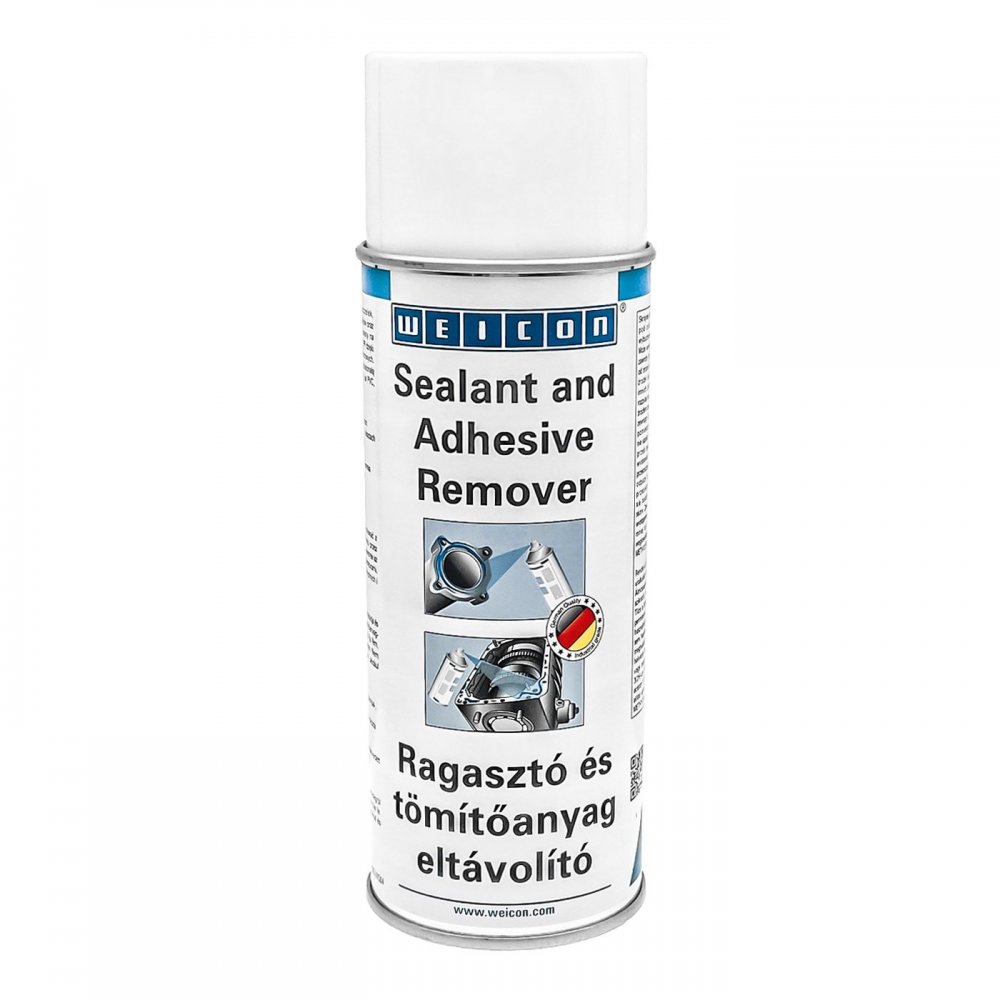 WEICON Sealant and Adhesive Remover 400ml [11202400-51]
- Code
- 10037507
- In stock
- 7pcs
- Price excl. VAT
- €9.18/ pcs
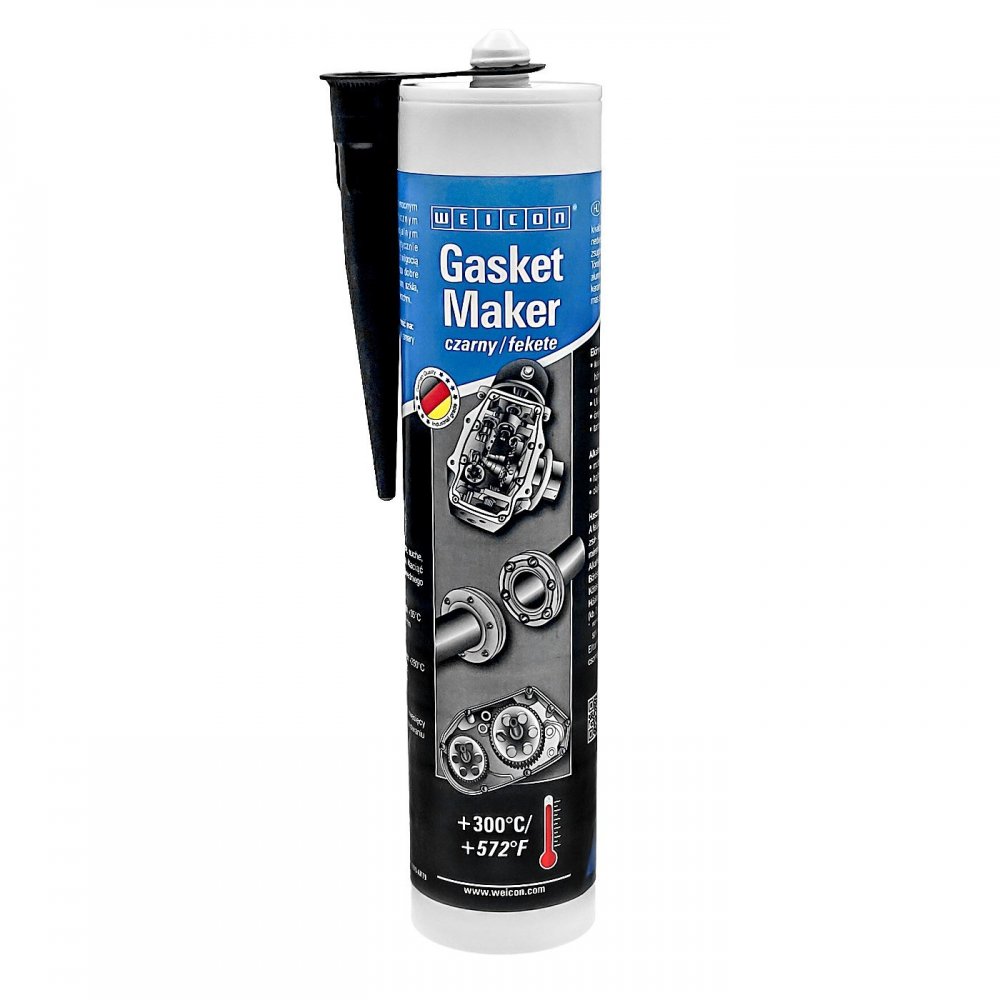 Gasket Maker flexible special sealant [30101310-51]
- Code
- 10052667
- In stock
- 32pcs
- Price excl. VAT
- €15.47/ pcs
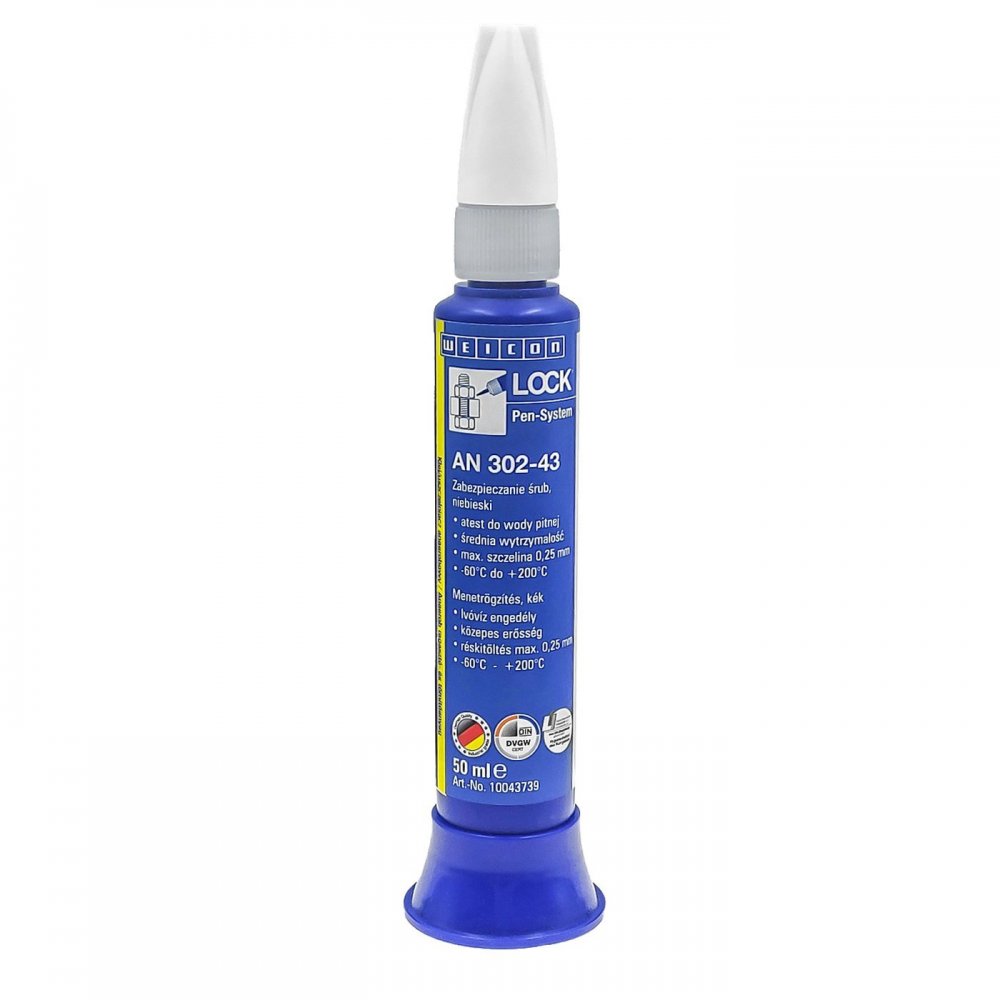 WEICONLOCK AN 302-43 thread locking agent 50 ml [30243150-51]
- Code
- 10043739
- In stock
- 7pcs
- Price excl. VAT
- €23.15/ pcs
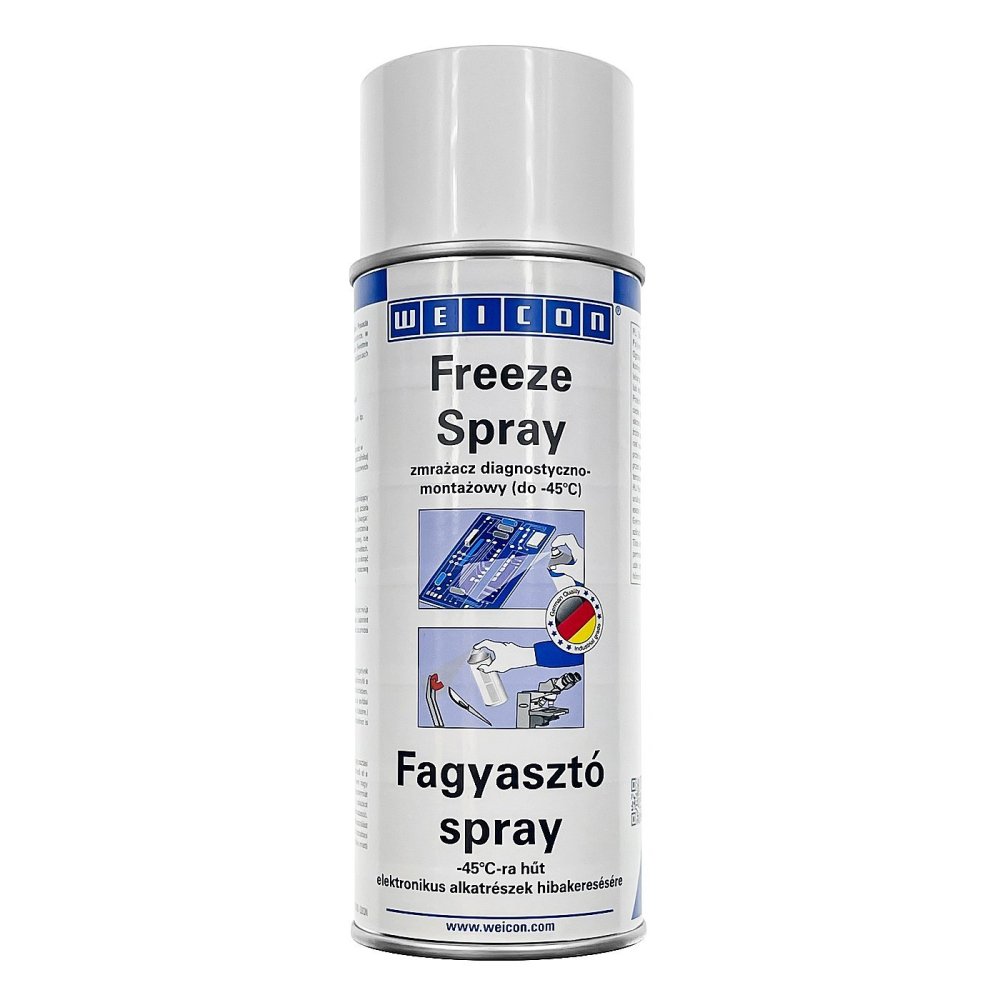 WEICON Freeze Spray 400 ml
- Code
- 10037564
- In stock
- 12pcs
- Price excl. VAT
- €12.92/ pcs
We recommend: Tools
View all
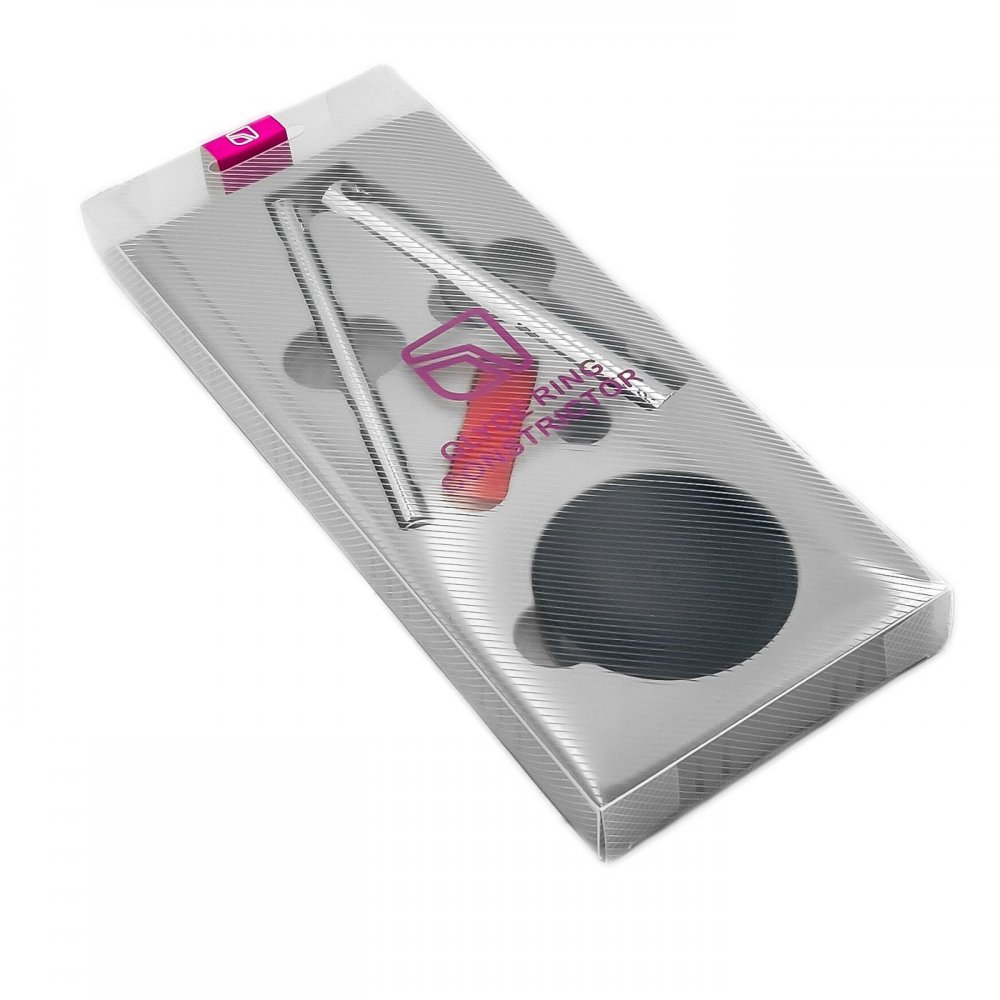 Piston Seal Constrictor [CALIBRATING TOOL FOR E/GR(800)]
- Code
- 48003370
- In stock
- 2pcs
- Price excl. VAT
- €20.85/ pcs
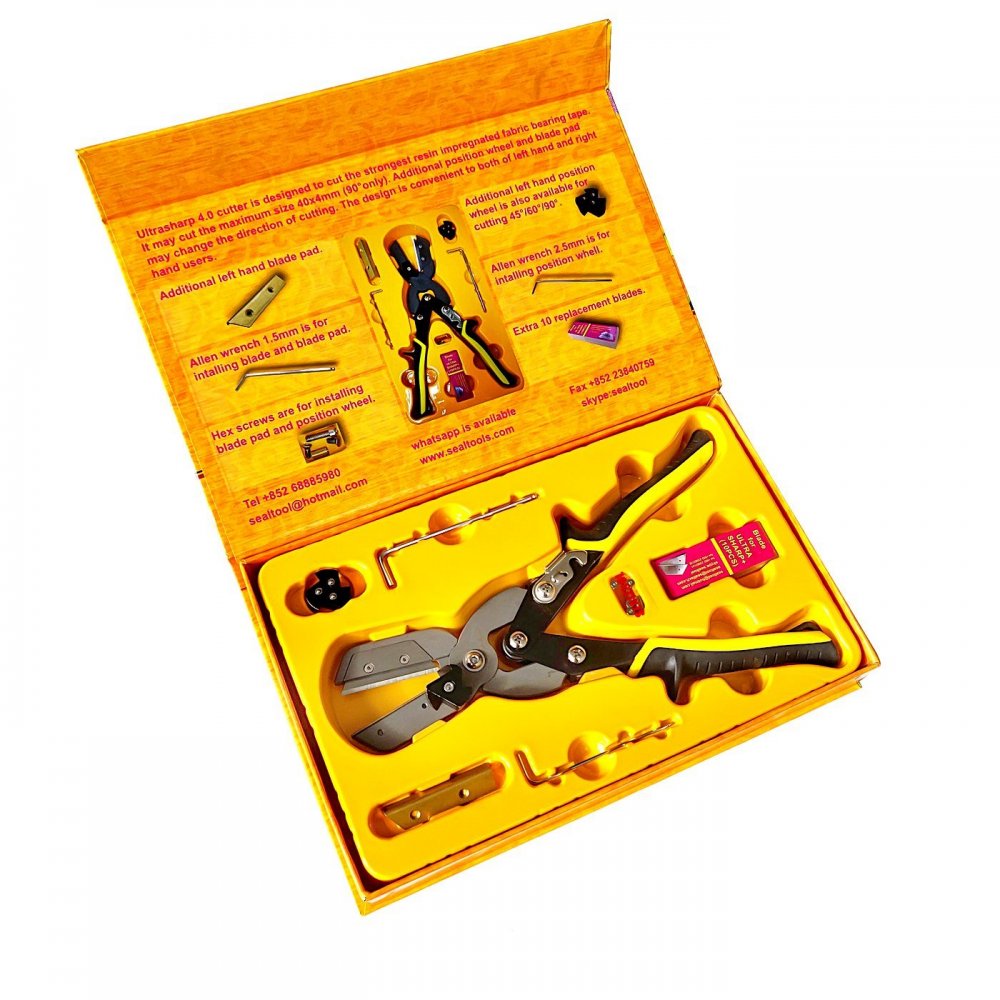 ULTRASHARP 4.0
- Code
- 48003255
- In stock
- 3pcs
- Price excl. VAT
- €88.50/ pcs
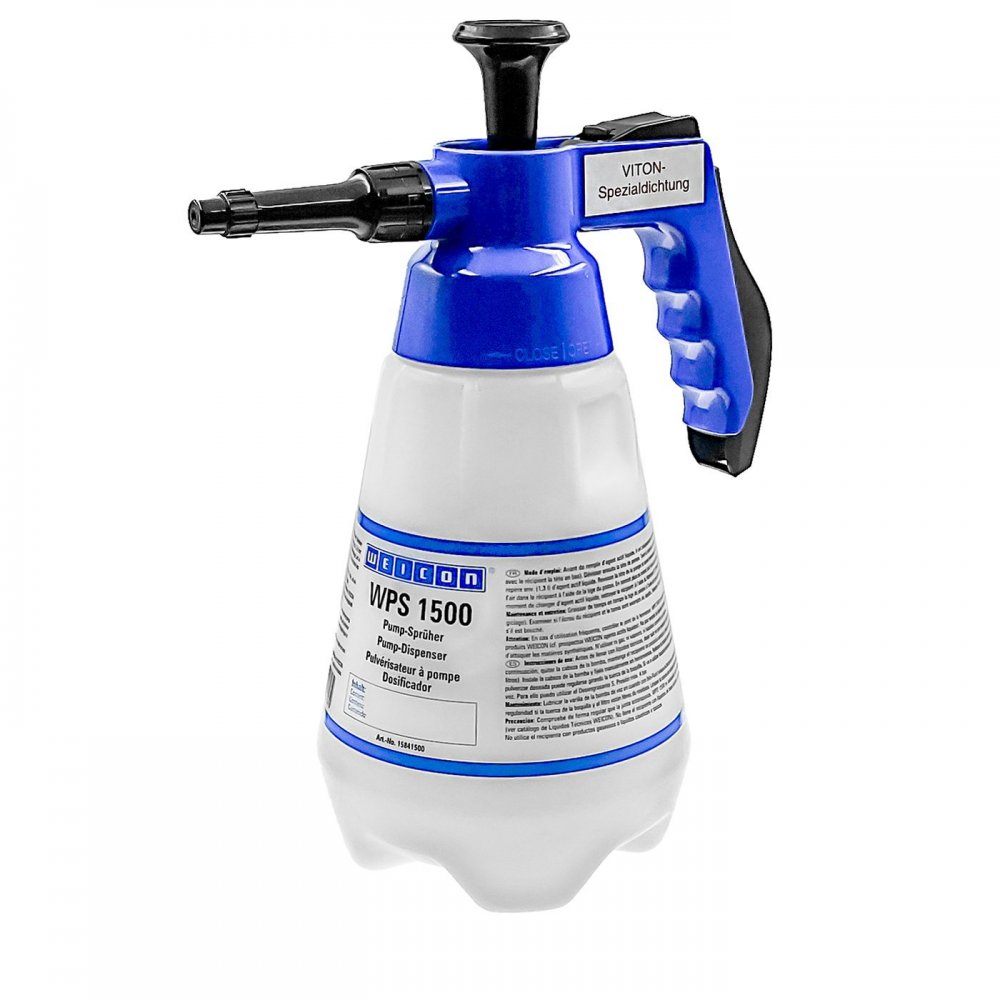 Pump-dispenser WEICON WPS1500
- Code
- 10016002
- In stock
- 4pcs
- Price excl. VAT
- €36.86/ pcs
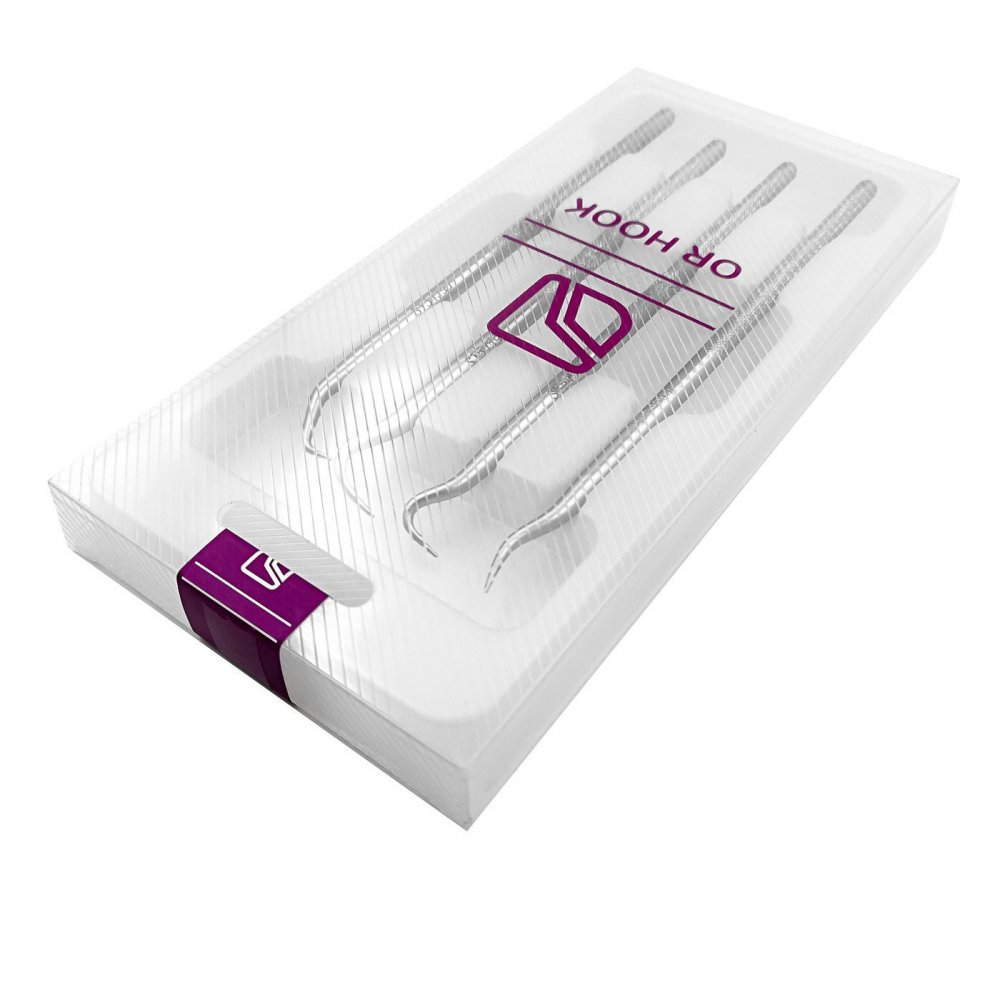 O-Ring Removal Tool Set [OR HOOK]
- Code
- 48004619
- In stock
- 5pcs
- Price excl. VAT
- €17.52/ pcs
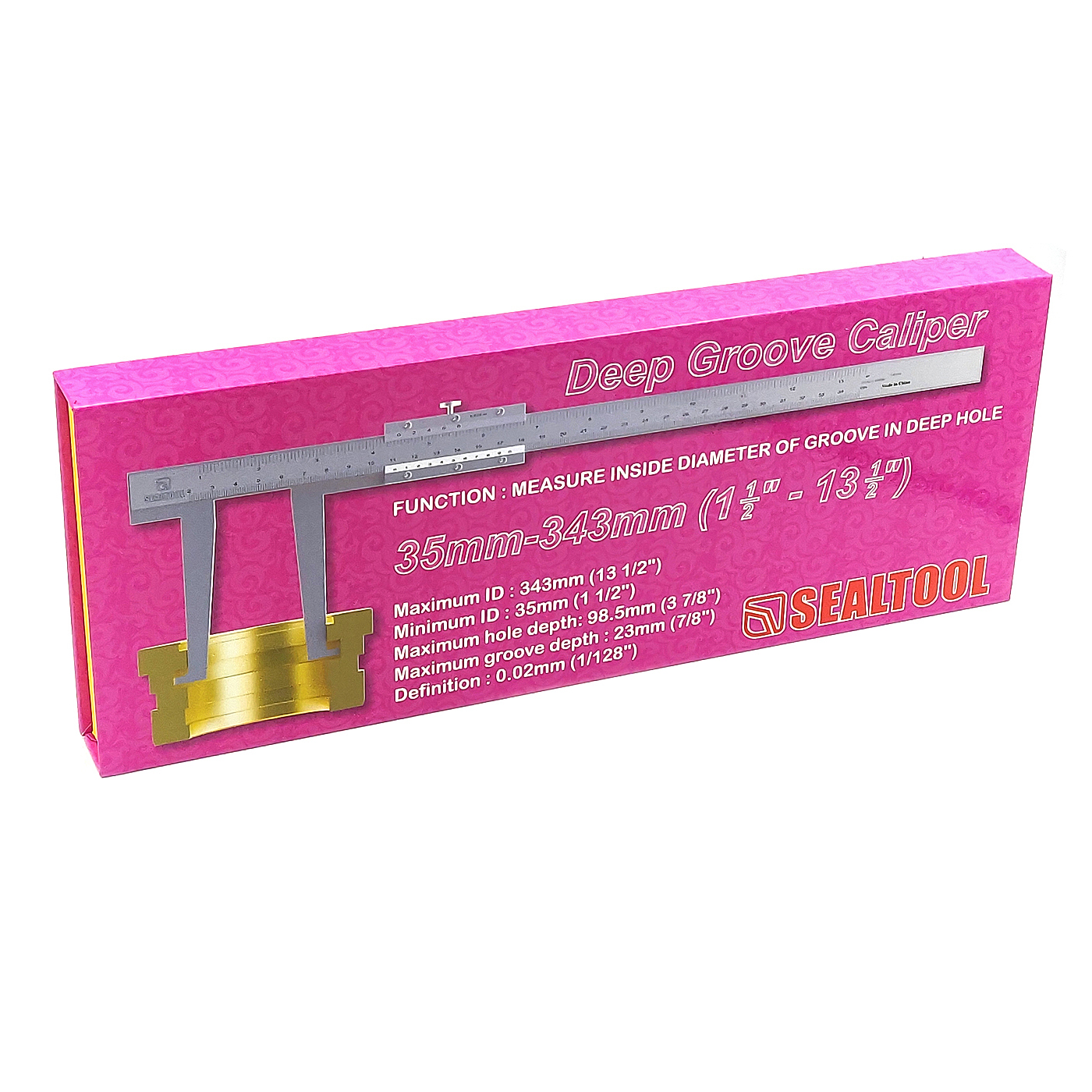 Large inner groove caliper
- Code
- 48003570
- In stock
- On request
- Price excl. VAT
- On request
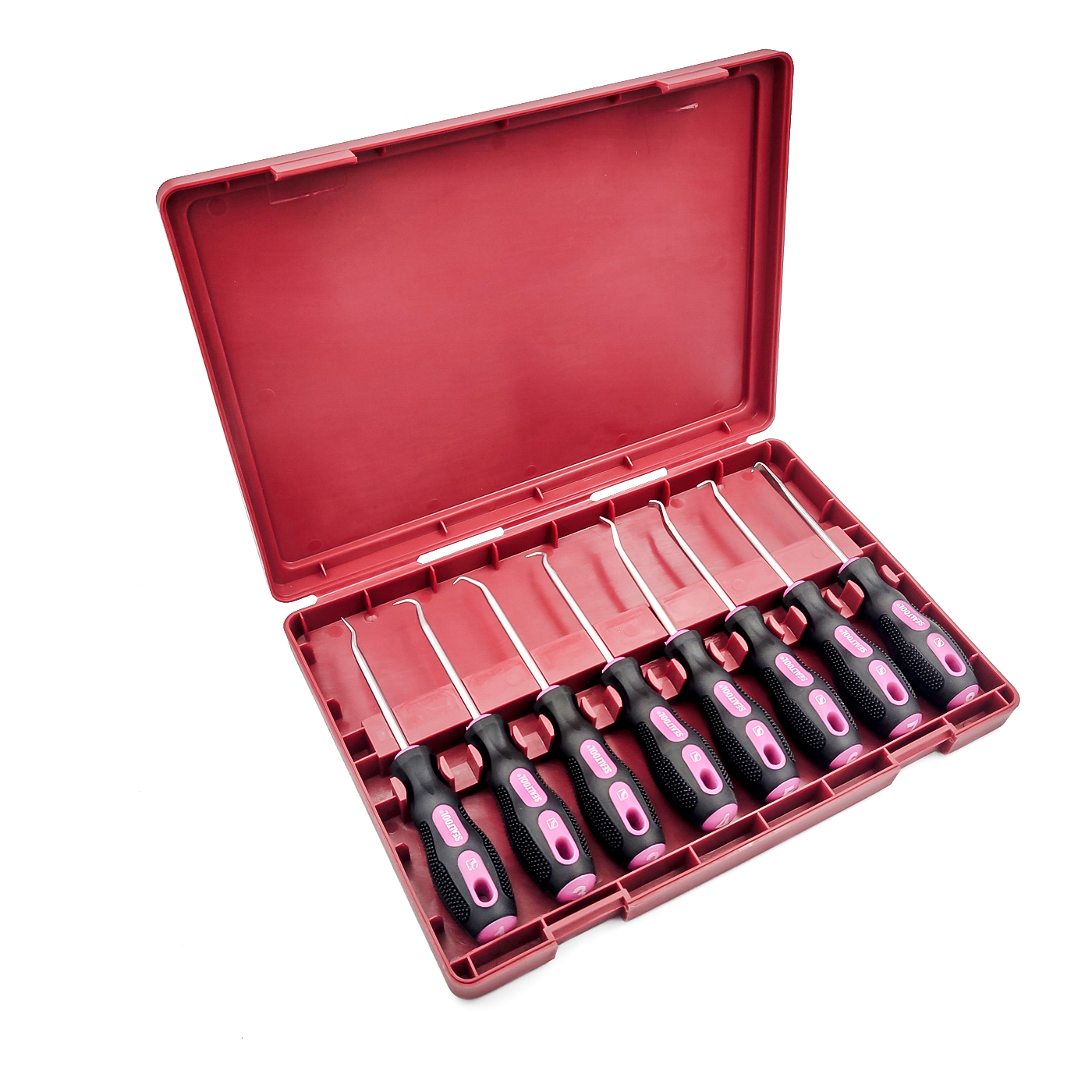 Seal hook set
- Code
- 48003740
- In stock
- 24pcs
- Price excl. VAT
- €41.15/ pcs
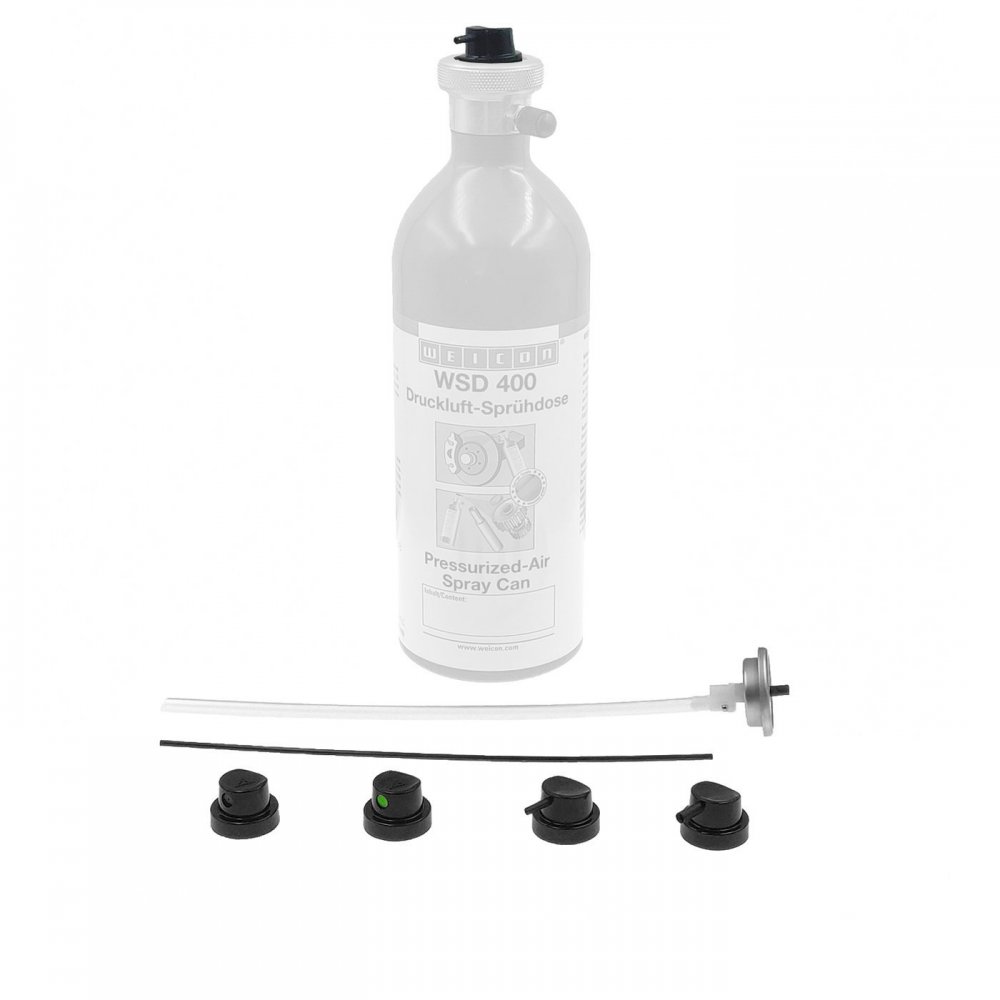 WEICON 4-piece spray head set with valve for WSD400
- Code
- 10009303
- In stock
- 21pcs
- Price excl. VAT
- €4.37/ pcs
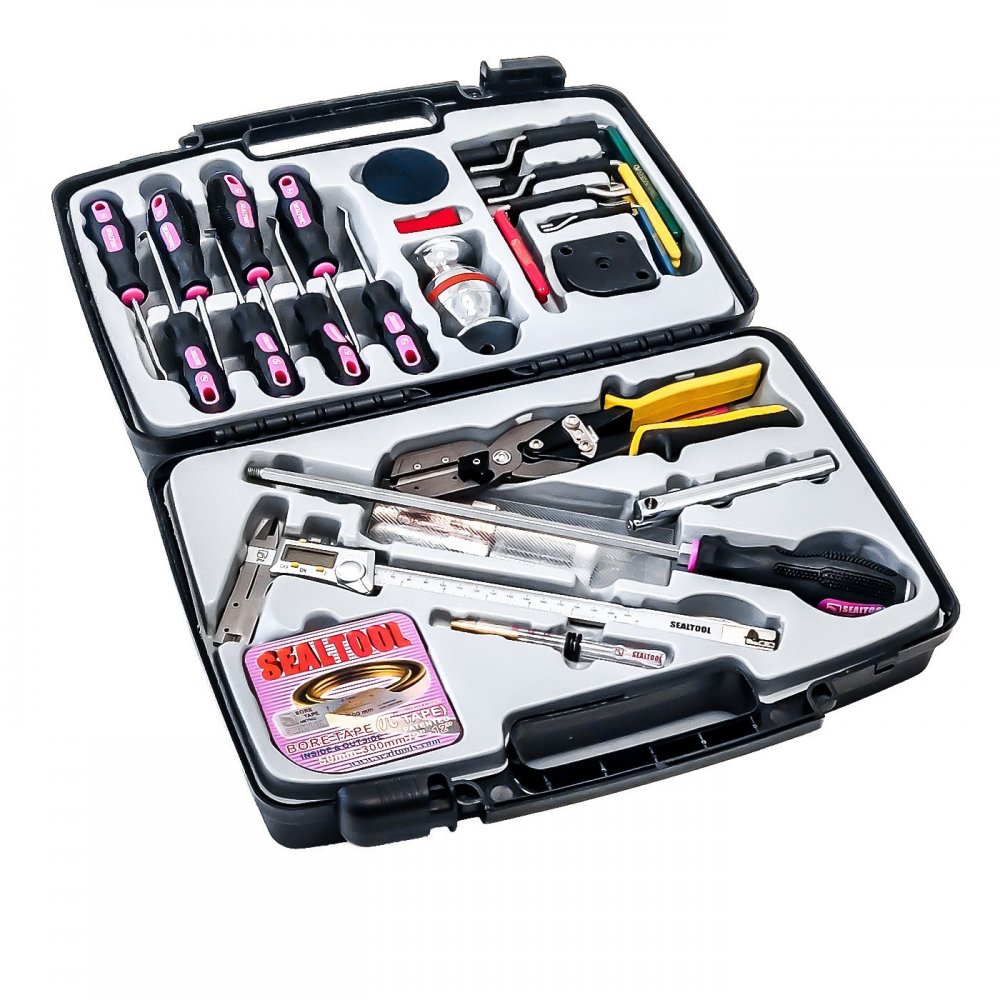 Seal Installation Tool Kit [SEALTOOL]
- Code
- 48004577
- In stock
- On request
- Price excl. VAT
- On request