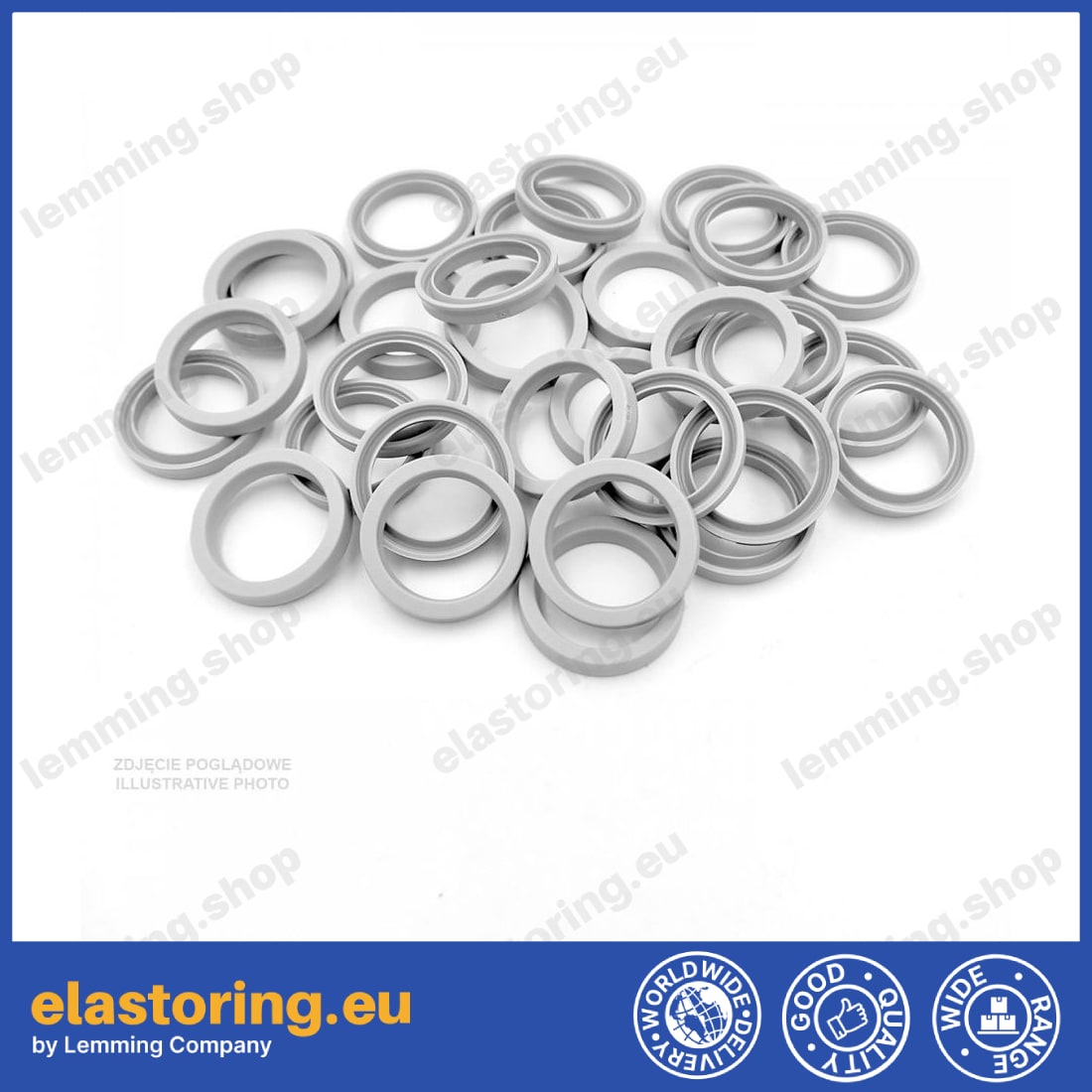
Rod seal RSP 12x18x2,5 B0
| Code | RSP 0120 0180 025 B0 | |
|---|---|---|
| In stock | 75 | pcs |
| Priceexcl. VAT | From €1.11 | /pcs |
Price by quantityexcl. VAT
Technical data
| Seal type | RSP | |
|---|---|---|
| Material type | PU | |
| Foreign code | 2ERSP453 | |
| Brand | Artic seals | |
| Weight | 1 | g |
| Rod diameter d | 12 | mm |
|---|---|---|
| Bore Diameter D | 18 | mm |
| Width 1 | 2,5 | mm |
Documents
- Artic RSP - cataloguepdf fileDownload
Description
Rod seal RSP 12x18x2,5 B0: rod diameter d = 12 mm, housing diameter D = 18 mm, height H = 2,5 mm, compound B0. The RSP rod seal was designed to overcome the limitations of the standard seals available on the market. It runs more smoothly and is more sensitive to low working pressures. The rounded dynamic lip improves the linear motion, and the deeper U-shaped profile between the dynamic and the static lip improves flexibility and gives better operation when the parts of the system are misaligned. Technical data - Application: rod seal for pneumatics - Working pressure: < 20 bar - Speed: < 1 m/s - Media: air (lubricated and non-lubricated), mineral oils and greases Material - Standard version: polyurethane 90 Shore A (compound B0) - Alternative version: polyurethane 85 Shore A (compound A0) Fitting - Before fitting, remove all burrs and sharp edges in the seal housing to prevent damage to the seal. - The rod surface must be smooth, free of burrs and have a lead-in chamfer for easy fitting.
Material
PU / TPU / H-PU (polyurethane)
- Standard PU / TPU-30 °C to +80 °C
Best for high pressure and abrasion, in mineral hydraulic oil. Standard PU must never meet hot water, steam or brake fluid, or run hotter than +90 °C.
| Can be used | Do not use |
|---|---|
| Extreme pressure and pulsation (up to 40-50 MPa, very resistant to extrusion into the gap) | Hot water and steam with standard PU: hydrolysis, it breaks down into powder |
| Abrasion, friction, cutting and tearing (4-5 times tougher than NBR) | Glycol brake fluid (DOT 3, DOT 4, DOT 5.1): swells quickly |
| Mineral hydraulic oil (HL, HLP) and grease | High temperatures above +90 to +100 °C with standard TPU: it softens |
| Fuel oil, diesel and technical oils (aliphatic hydrocarbons) | Strong (concentrated) acids and alkalis: sulfuric, nitric, caustic soda |
| Ozone, weather and sunlight (does not crack from weather) | Acetone, MEK, toluene, benzene, dichloromethane (polar and aromatic solvents) |
| Water-based fire-resistant fluids HFA, HFB (only special H-PU) | Synthetic ester oils and fire-resistant fluid HFD-R |
| Dry compressed air and technical gases | Strong alcohols (methanol, ethanol): swelling |
Water and heat destroy standard PU: above +50 to +60 °C in water or damp oil it turns into a sticky paste or crumbles. If the system contains water or an emulsion, use only H-PU (hydrolysis-resistant).
We recommend: Industrial chemicals
View all
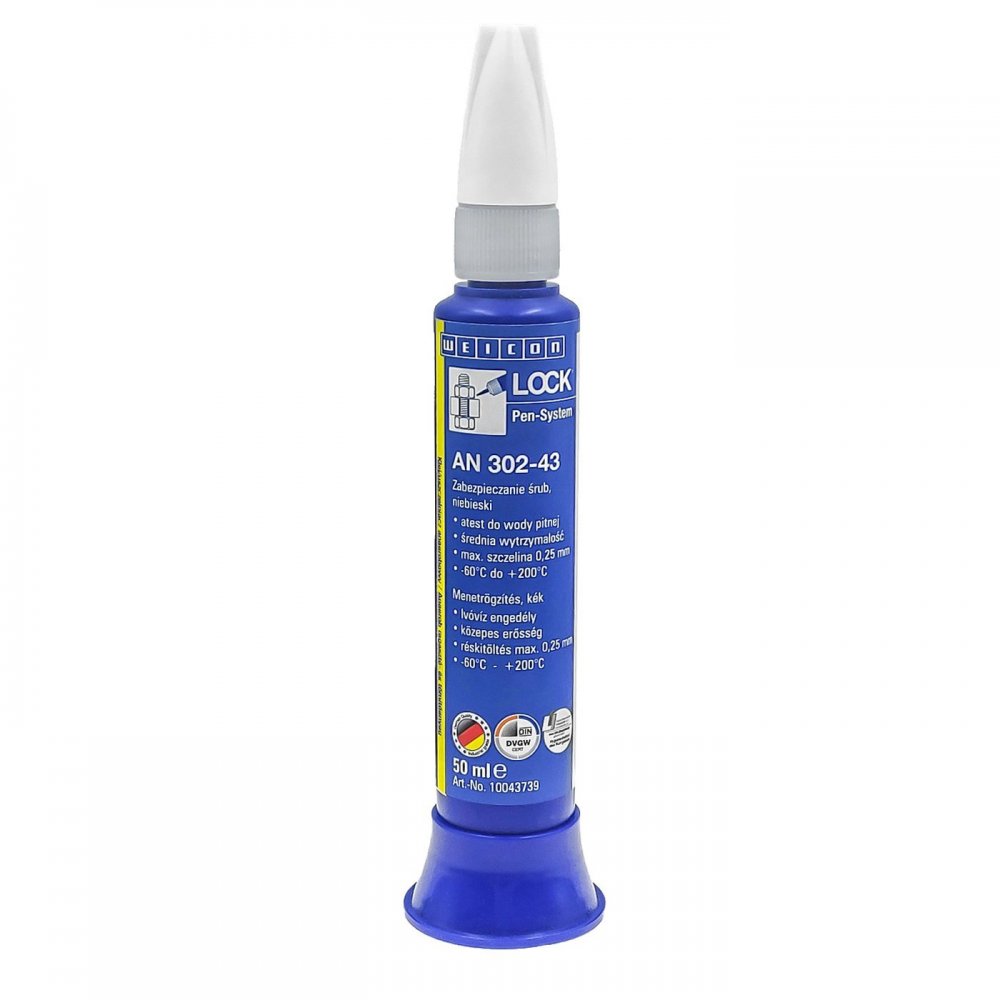 WEICONLOCK AN 302-43 thread locking agent 50 ml [30243150-51]
- Code
- 10043739
- In stock
- 7pcs
- Price excl. VAT
- €23.15/ pcs
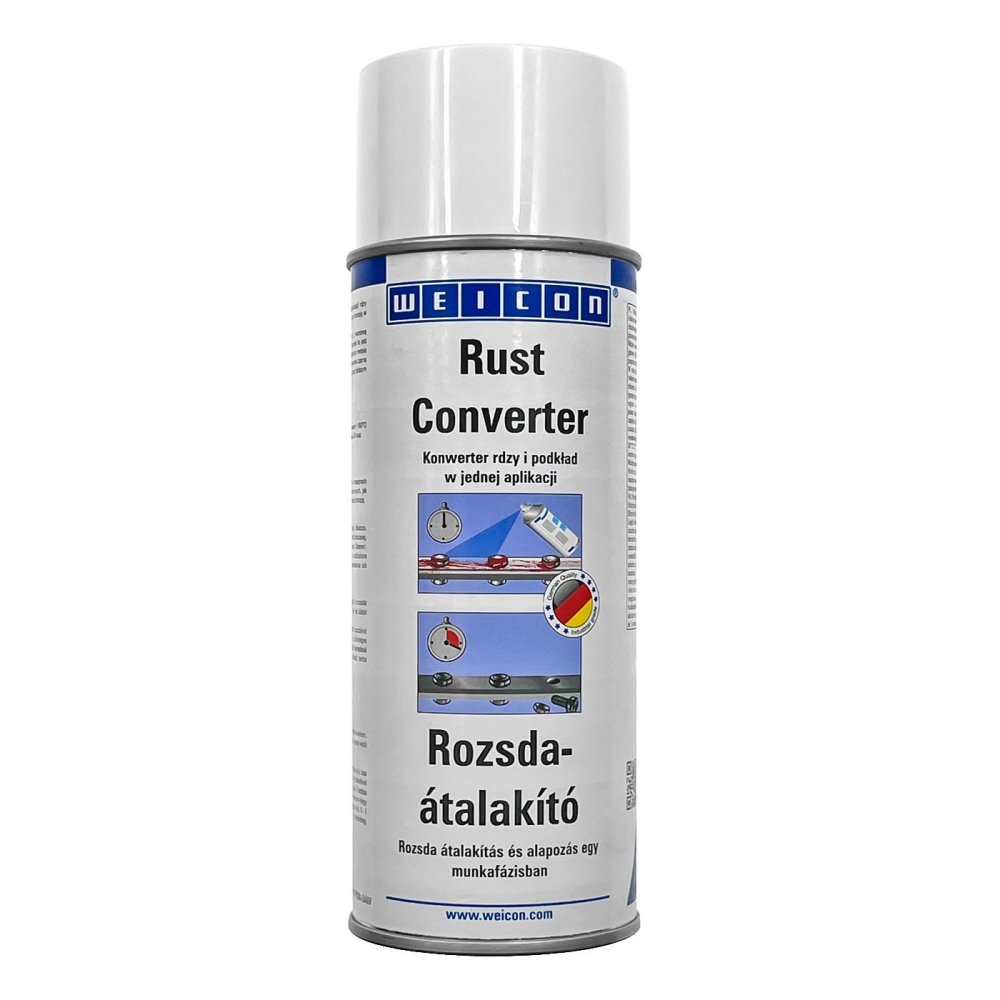 WEICON Rust Converter 400 ml
- Code
- 10049153
- In stock
- 9pcs
- Price excl. VAT
- €11.89/ pcs
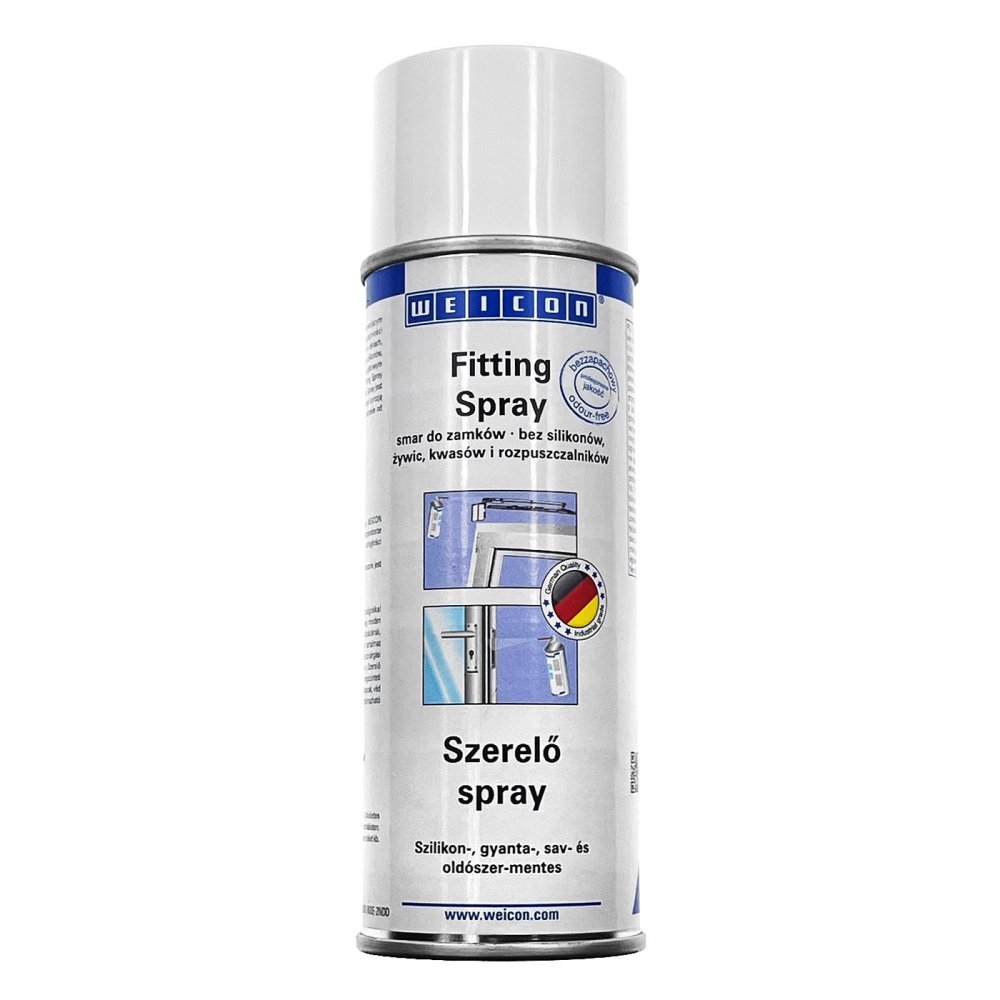 WEICON Fitting Spray 200 ml
- Code
- 10037560
- In stock
- 8pcs
- Price excl. VAT
- €10.61/ pcs
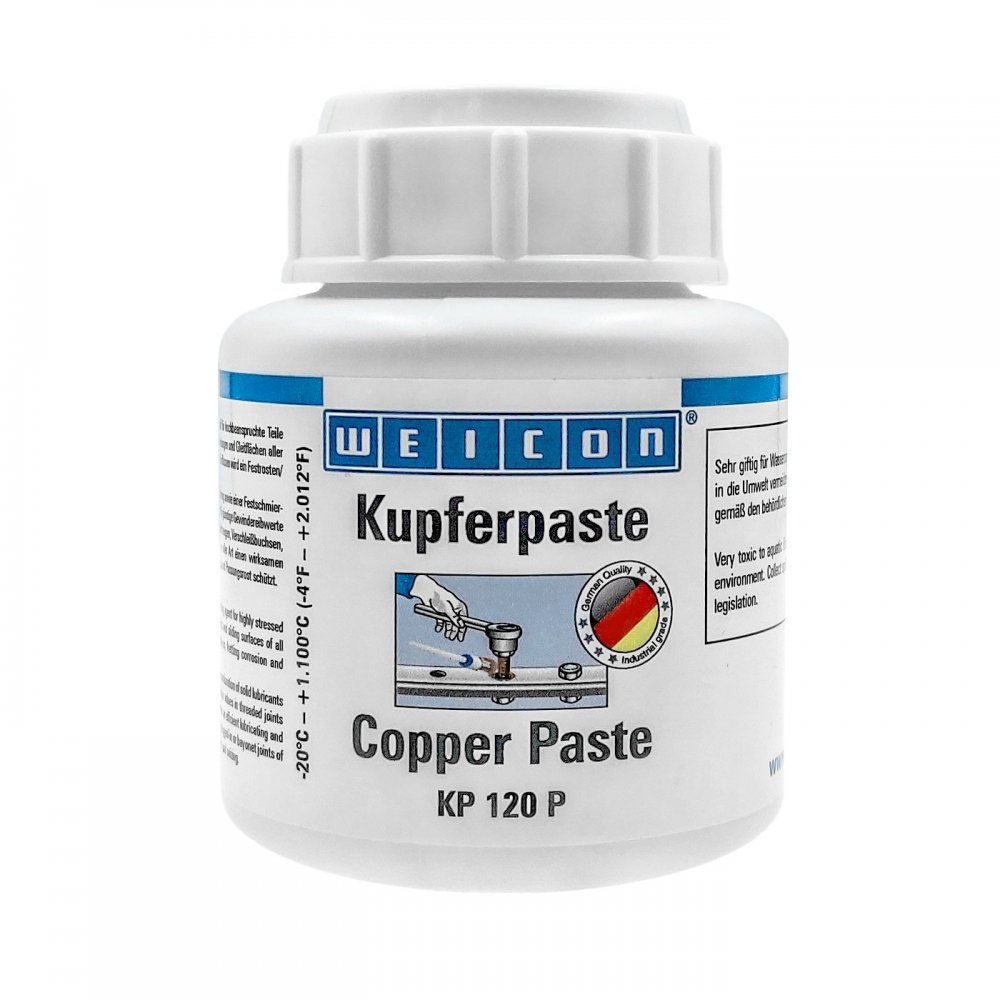 Copper assembly paste Weicon Copper Paste 120 g [26200012]
- Code
- 10026335
- In stock
- 20pcs
- Price excl. VAT
- €8.47/ pcs
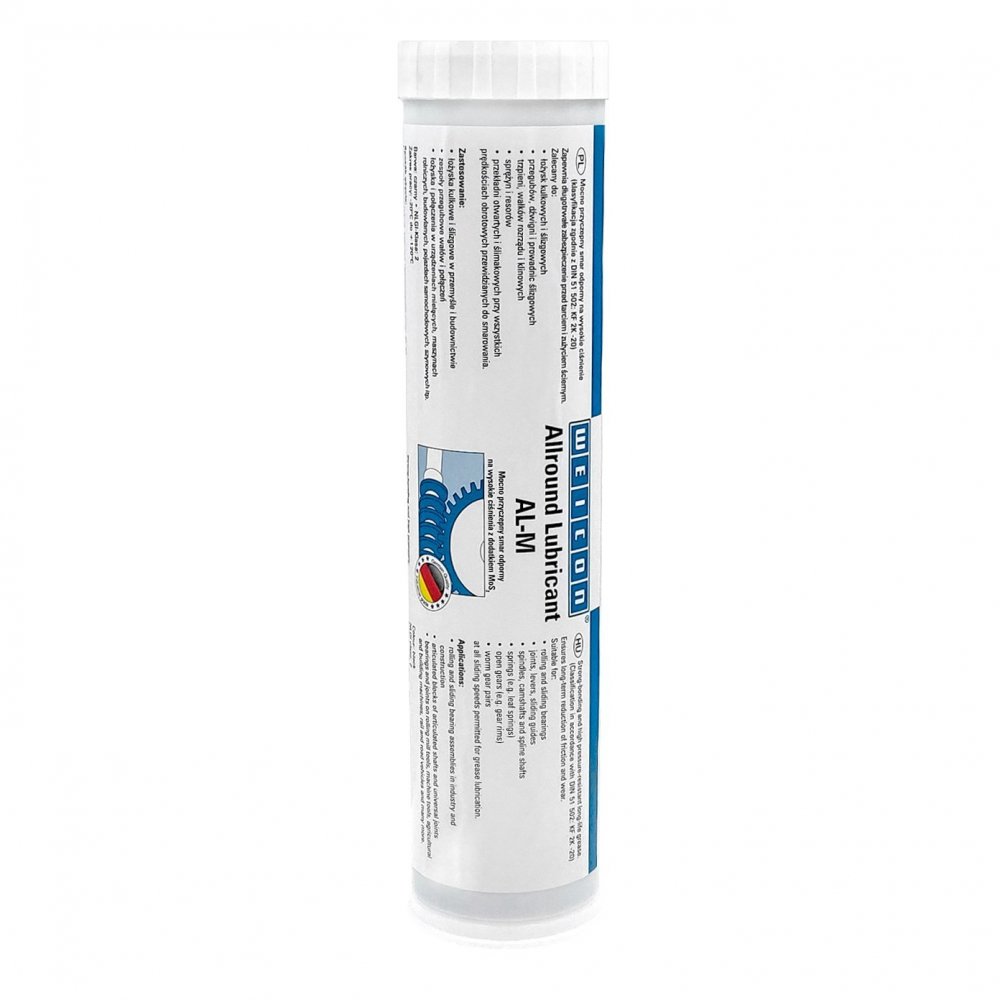 WEICON AL-M Allround Lubricant Long-term grease 400 g [26400040-51]
- Code
- 10046471
- In stock
- 7pcs
- Price excl. VAT
- €10.11/ pcs
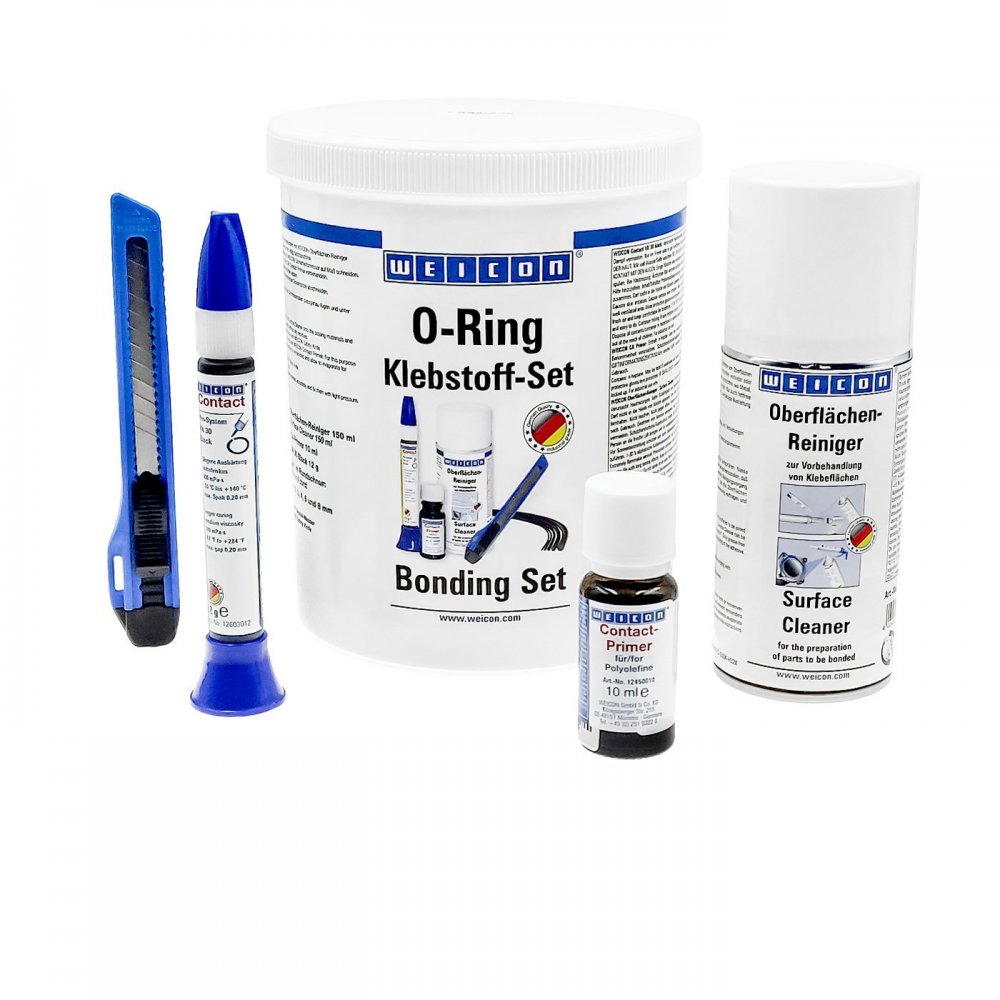 WEICON O-Ring Bonding Set [12508030]
- Code
- 10034766
- In stock
- 3pcs
- Price excl. VAT
- €35.94/ pcs
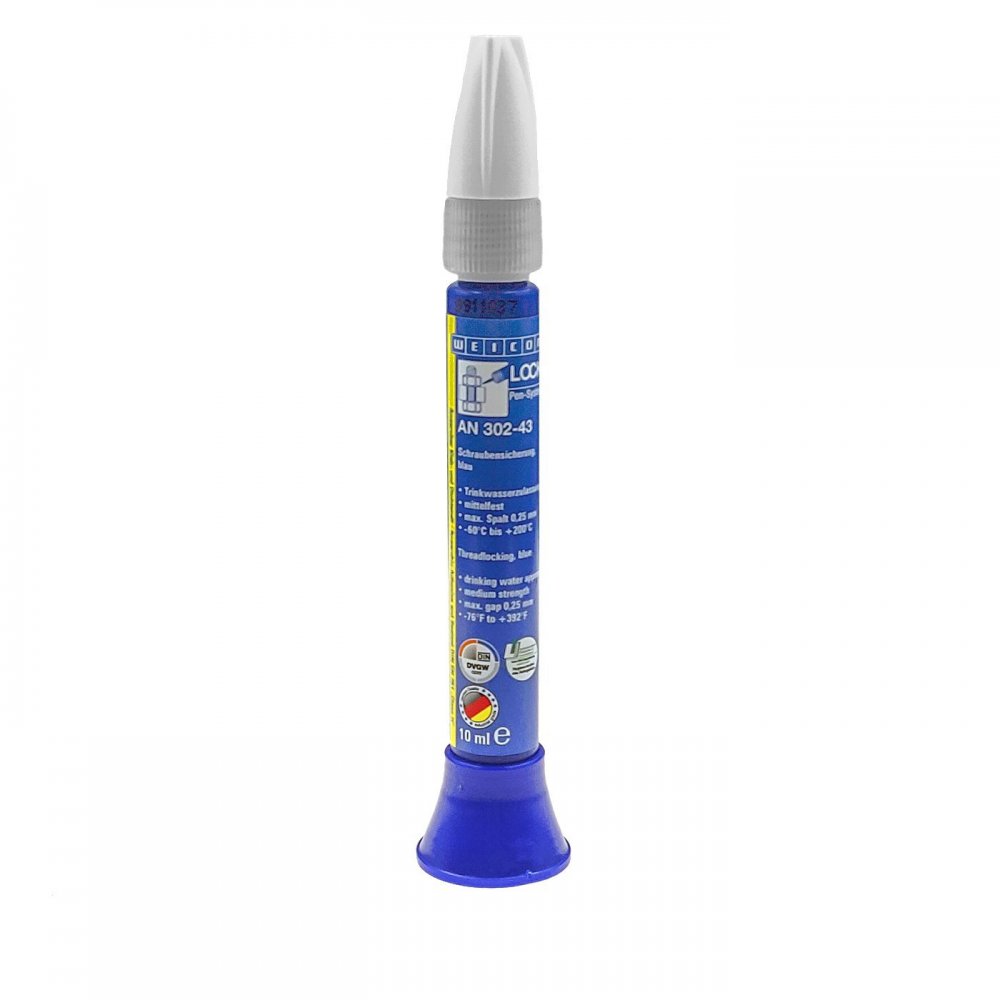 WEICONLOCK AN 302-43 thread locking agent 10 ml [30243110]
- Code
- 10030474
- In stock
- 23pcs
- Price excl. VAT
- €9.18/ pcs
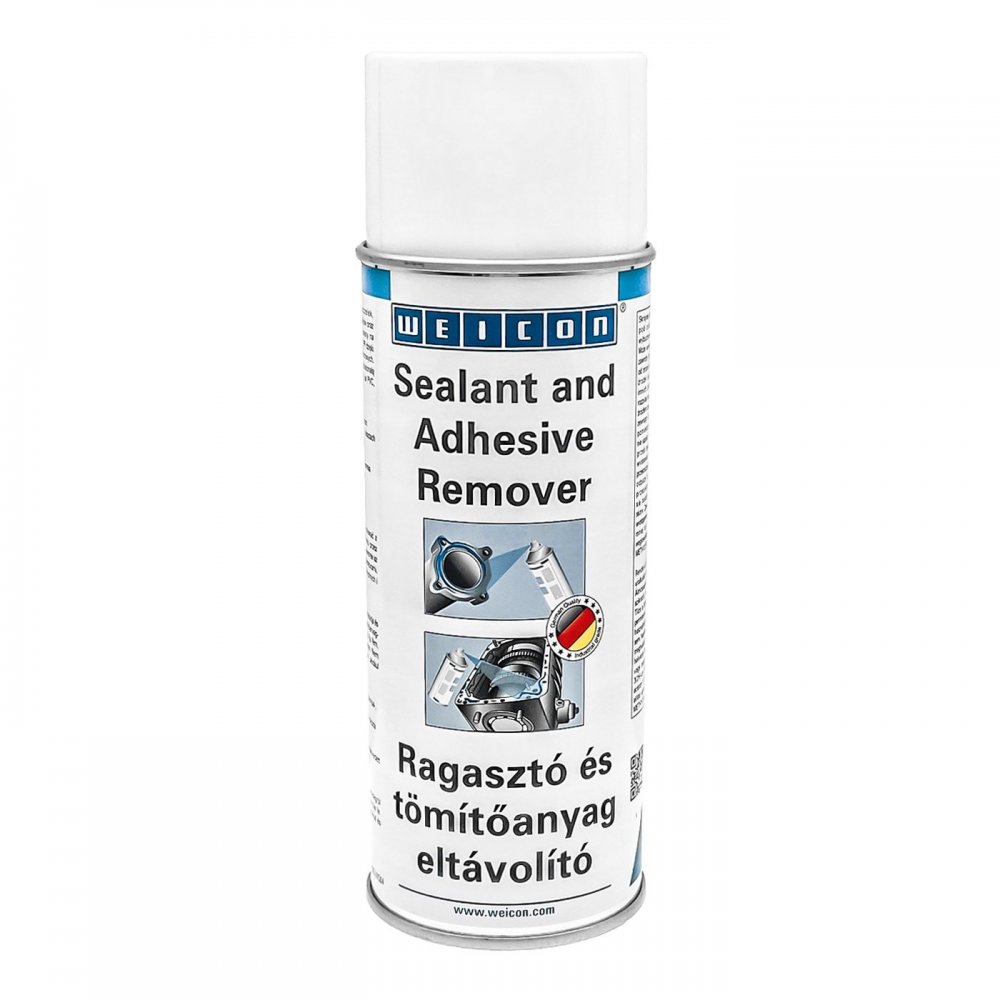 WEICON Sealant and Adhesive Remover 400ml [11202400-51]
- Code
- 10037507
- In stock
- 7pcs
- Price excl. VAT
- €9.18/ pcs
We recommend: Tools
View all
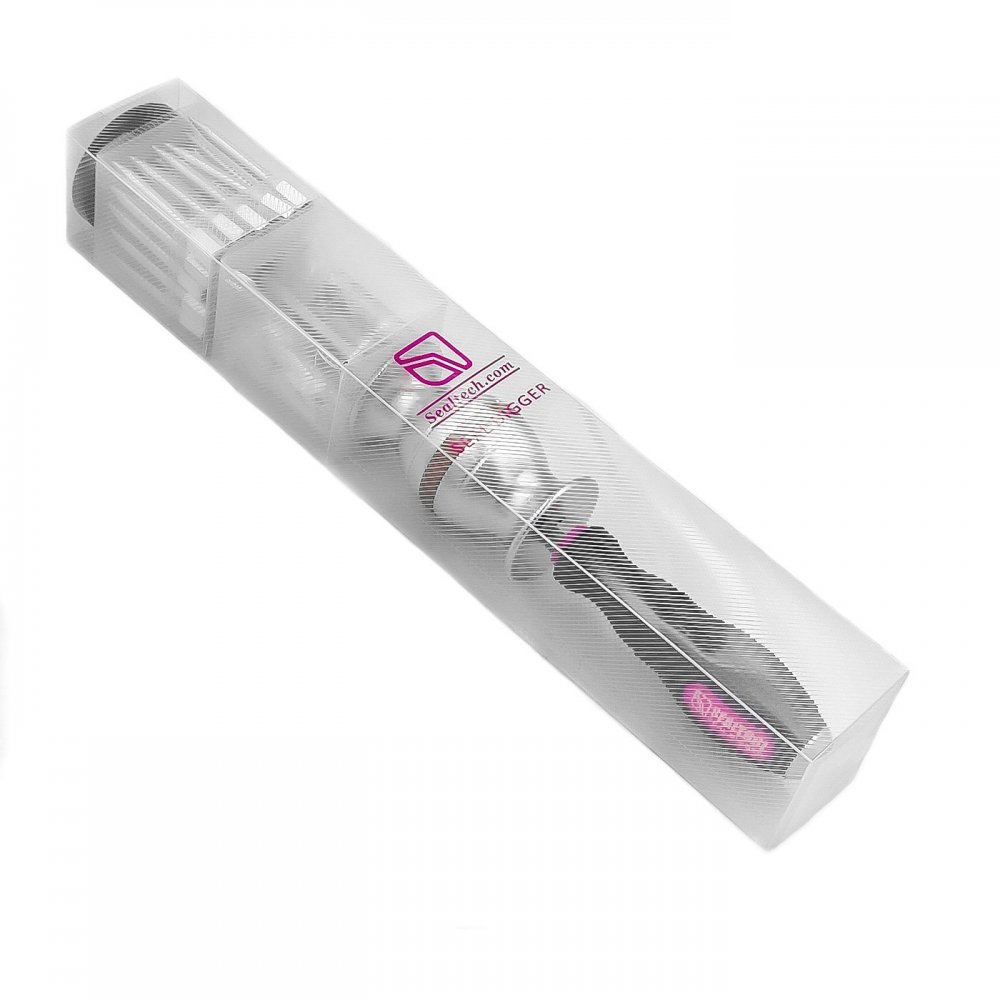 Tool for install and disassembly of oil seals [SEAL DIGGER]
- Code
- 48003372
- In stock
- 2pcs
- Price excl. VAT
- €111.53/ pcs
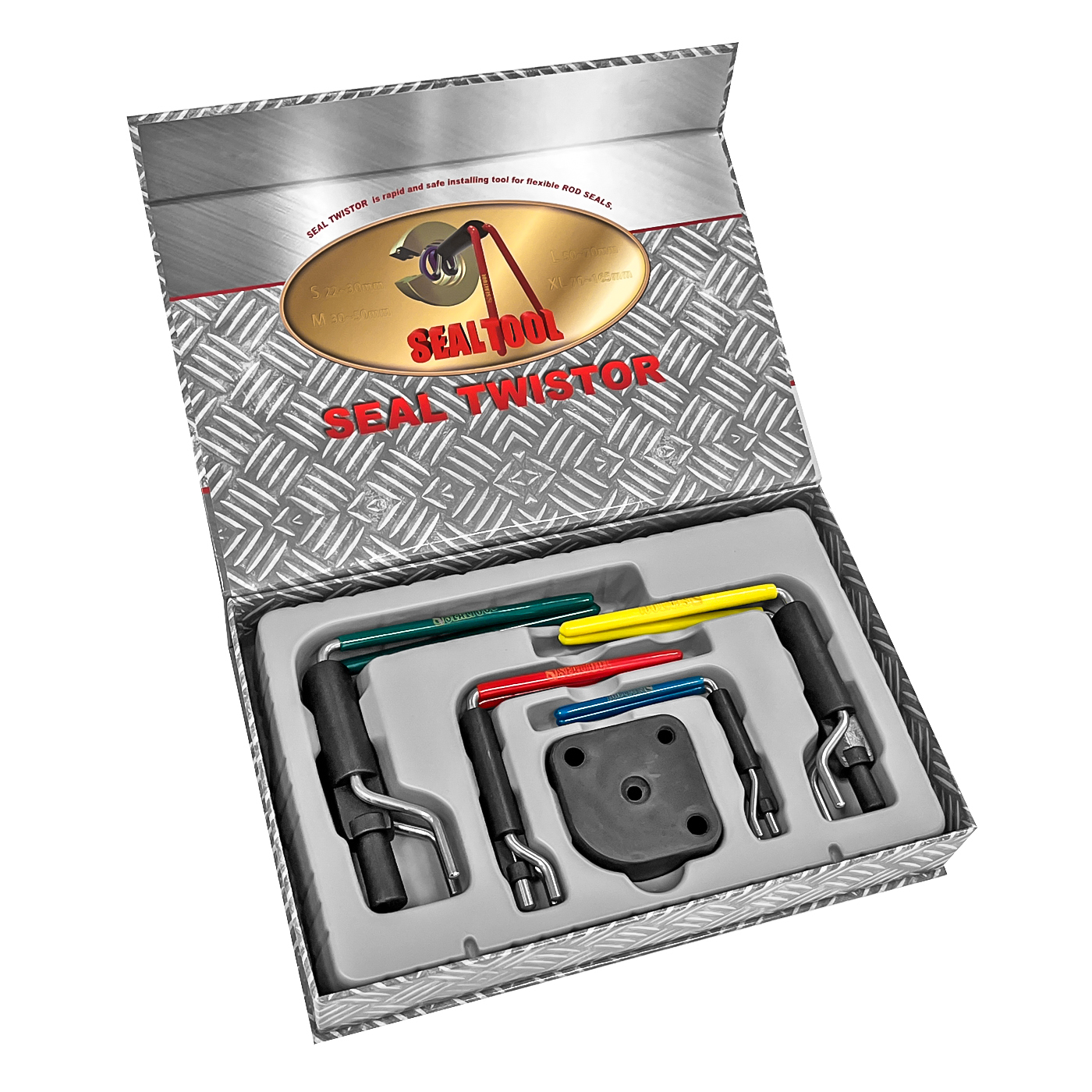 Seal twistors set
- Code
- 48003242
- In stock
- 43pcs
- Price excl. VAT
- €79.00/ pcs
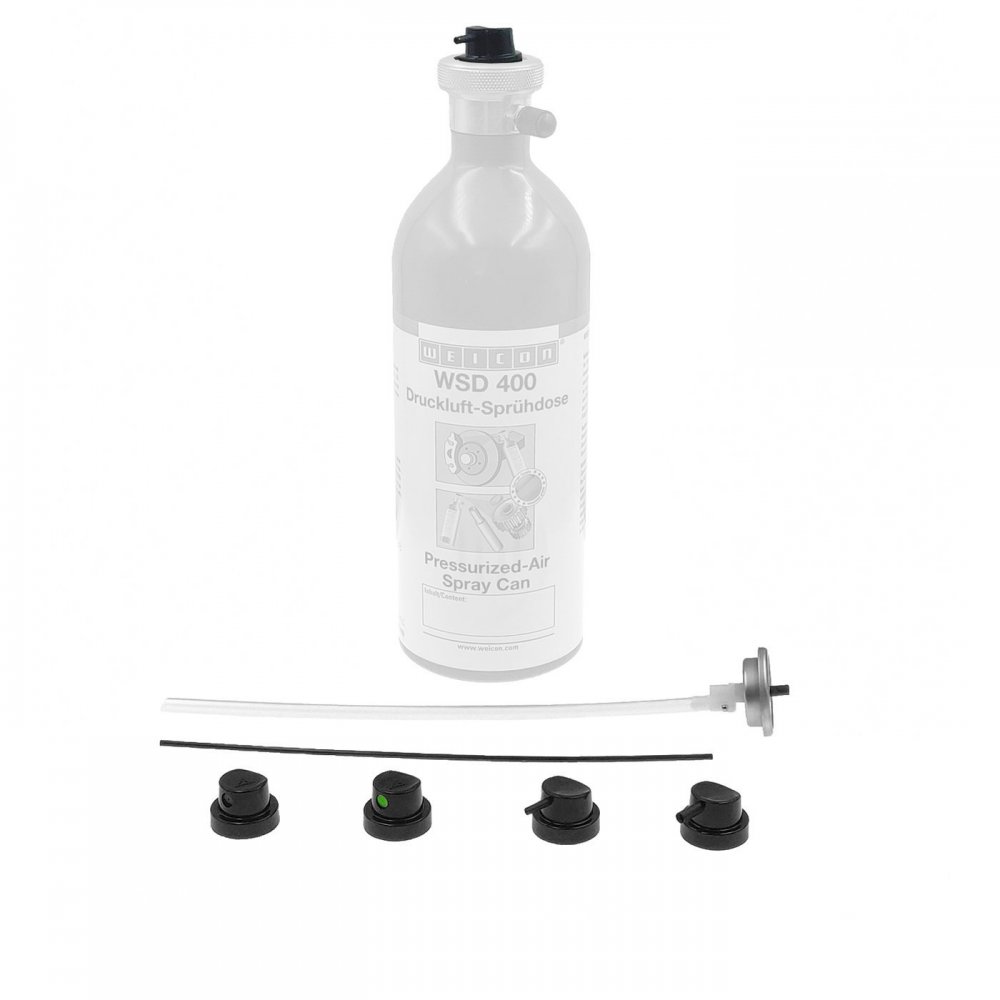 WEICON 4-piece spray head set with valve for WSD400
- Code
- 10009303
- In stock
- 21pcs
- Price excl. VAT
- €4.37/ pcs
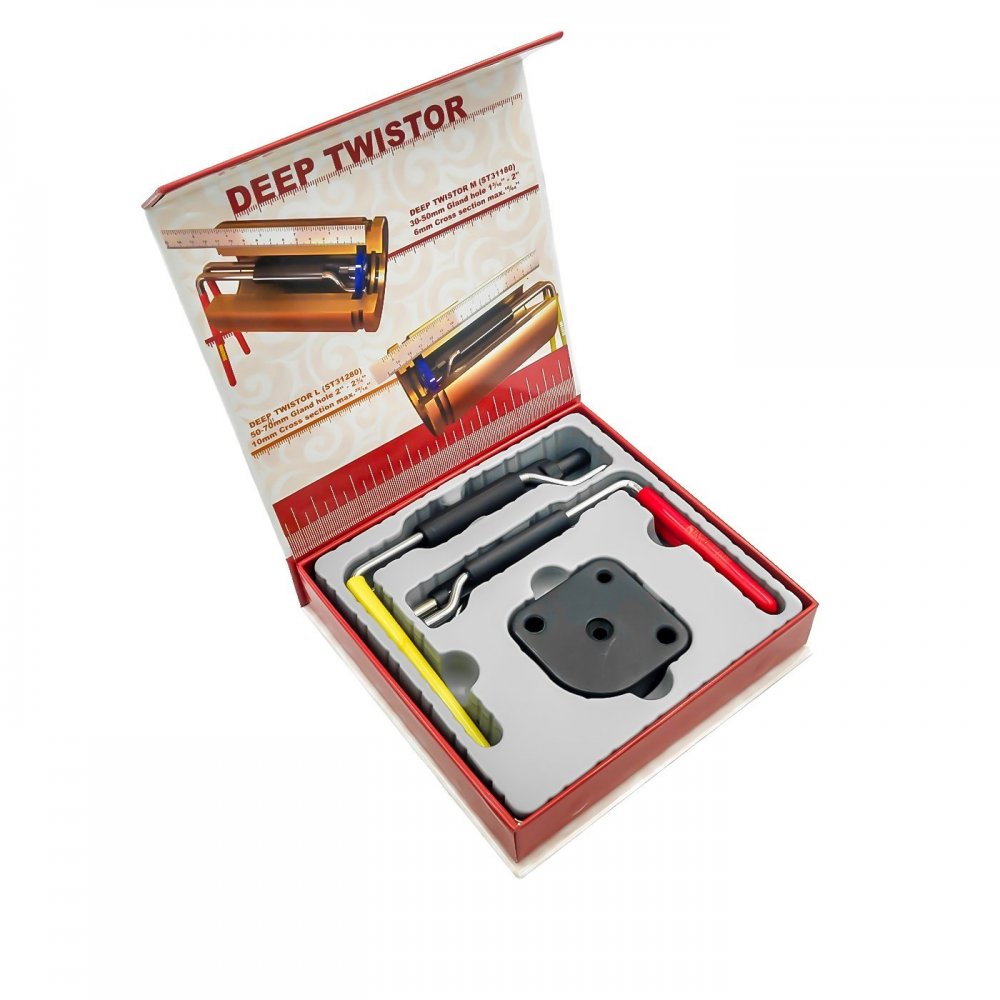 Deep seal twistor set
- Code
- 48003373
- In stock
- On request
- Price excl. VAT
- On request
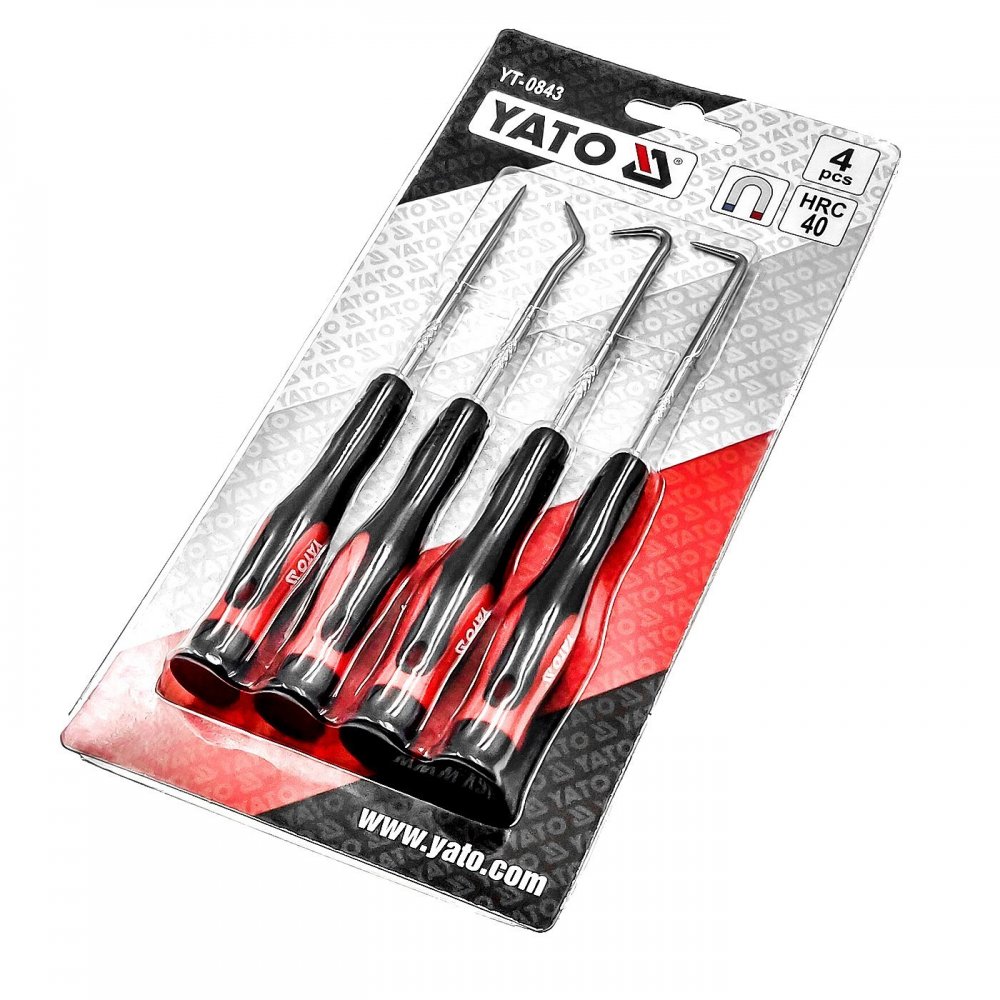 Yato Seal Removal Kit
- Code
- 48005237
- In stock
- 27pcs
- Price excl. VAT
- €2.68/ pcs
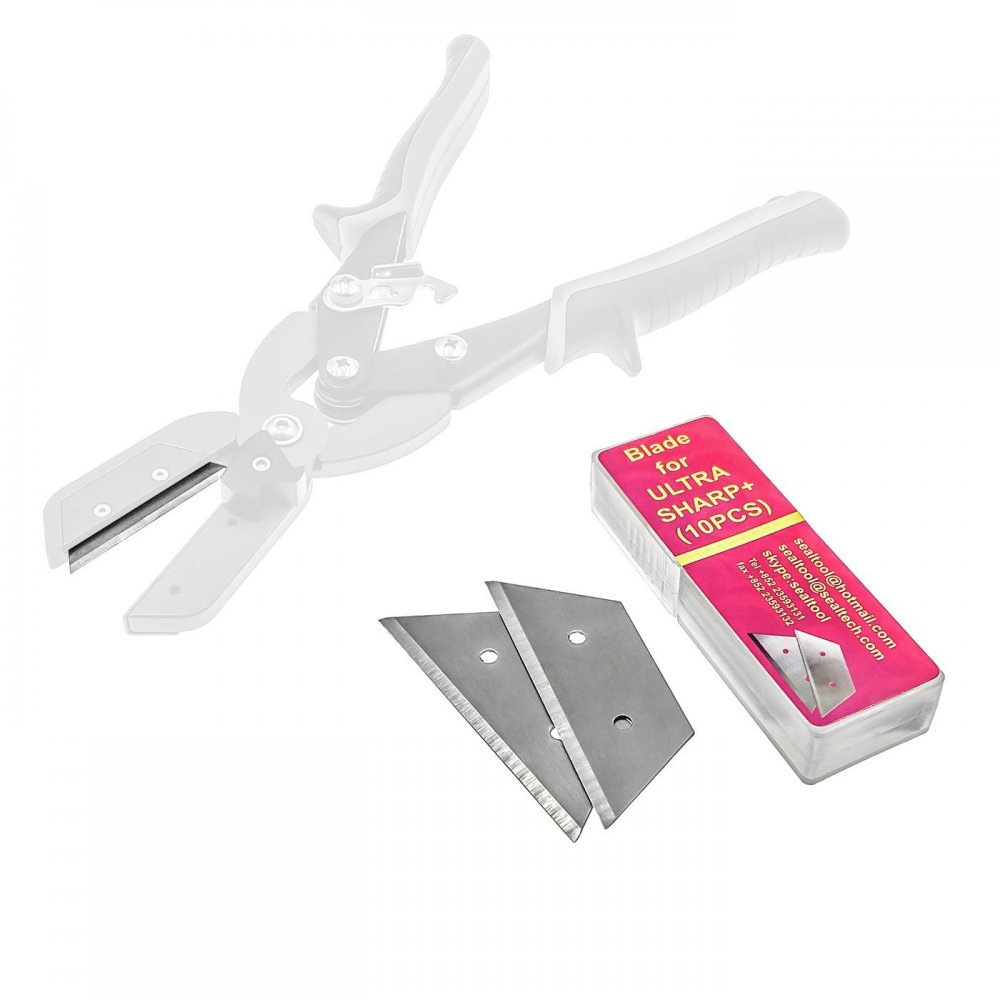 Spare blades for ULTRASHARP scissors (10 pcs.)
- Code
- 48004796
- In stock
- 6pcs
- Price excl. VAT
- €15.99/ pcs
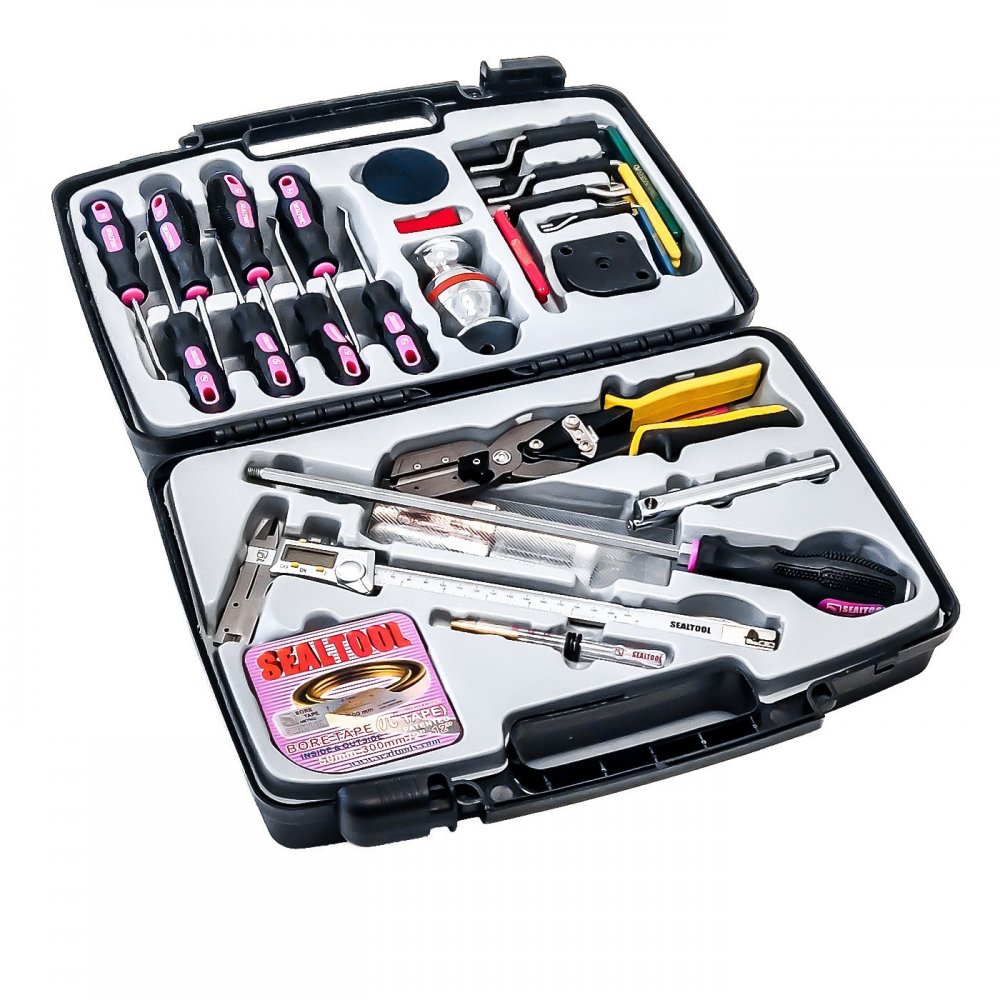 Seal Installation Tool Kit [SEALTOOL]
- Code
- 48004577
- In stock
- On request
- Price excl. VAT
- On request
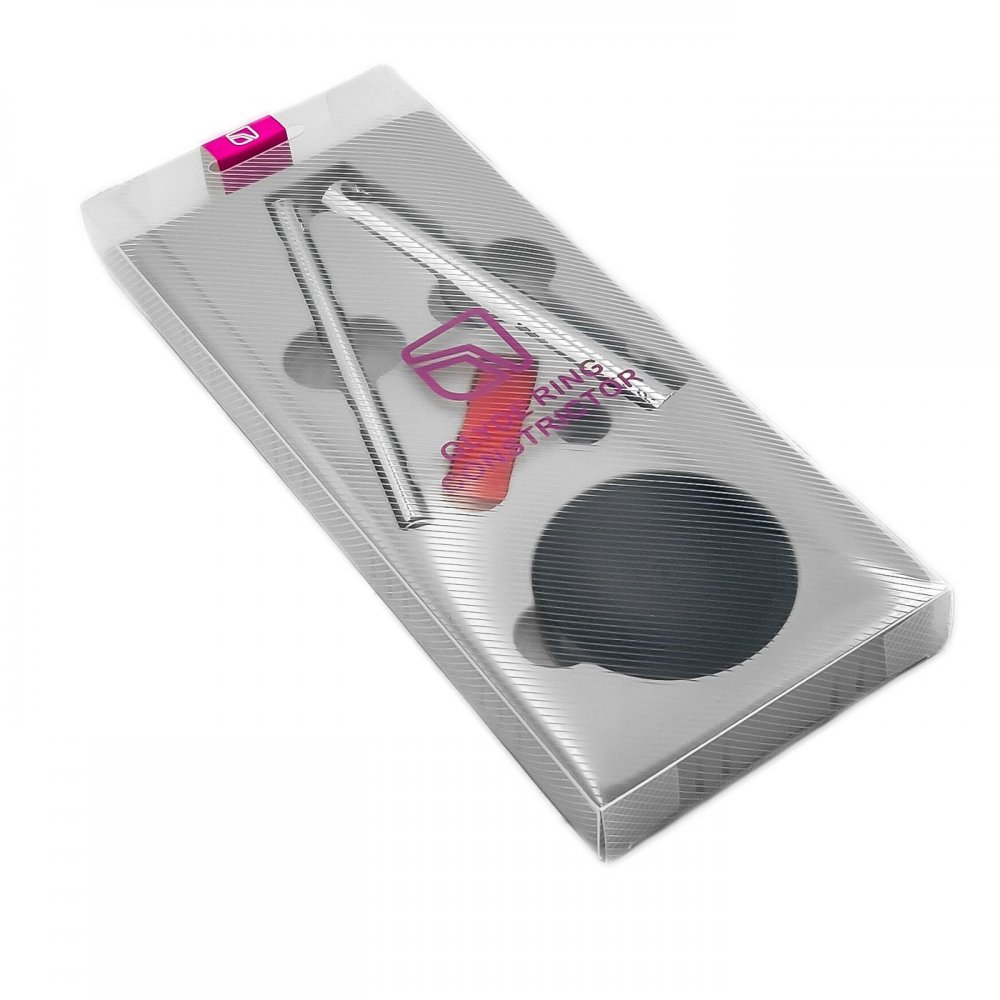 Piston Seal Constrictor [CALIBRATING TOOL FOR E/GR(800)]
- Code
- 48003370
- In stock
- 2pcs
- Price excl. VAT
- €20.85/ pcs