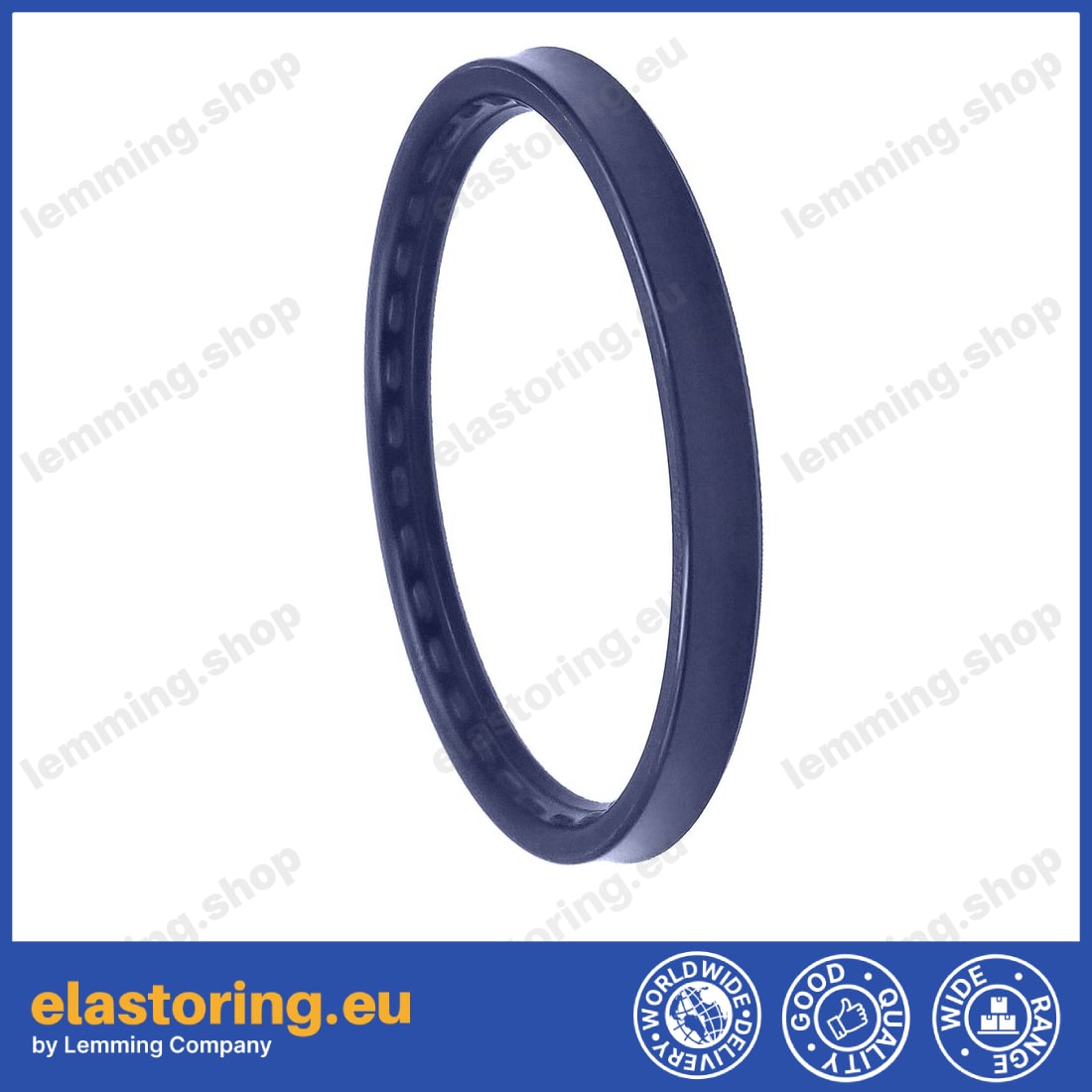
Rod seal BLF 57x67x7,2 C0
| Code | BLF 0570 0670 072 C0 | |
|---|---|---|
| In stock | 19 | pcs |
| Priceexcl. VAT | From PLN 13.85 | /pcs |
Price by quantityexcl. VAT
Technical data
| Seal type | BLF | |
|---|---|---|
| Material type | PU | |
| Material code | C0 | |
| Foreign code | 2EBLF010 | |
| Brand | Artic seals | |
| Weight | 11 | g |
| Rod diameter d | 57 | mm |
|---|---|---|
| Groove Diameter D | 67 | mm |
| Seal width h | 7,2 | mm |
Documents
- Artic BLF - cataloguepdf fileDownload
Description
BLF 57x67x7,2 C0 rod seal (code: 2EBLF010 / BLF 0570 0670 072 C0) is used in hydraulic cylinders as a piston rod sealing element. Material and operating data: Polyurethane C0 (TPU 94 ShA) – high abrasion resistance, low compression set, good elasticity. Working pressure: up to 400 bar (with possible short-term peaks up to 500 bar). Operating speed: up to 0,5 m/s. Medium: mineral-based hydraulic oils. Appearance and principle of operation: The BLF profile has a specially designed sliding surface with protrusions and an oil channel. This reduces the contact area, providing a lower coefficient of friction and constant lubrication of the sealing lip. The design eliminates the need for an additional back-up ring. Technical parameters: Inner diameter (d1): 57 mm Outer diameter (D): 67 mm Height (H): 7,2 mm Dimensions in inches: 2.24x2.64x0.28 (d1xDxH)
Material
PU / TPU / H-PU (polyurethane)
- Standard PU / TPU-30 °C to +80 °C
Best for high pressure and abrasion, in mineral hydraulic oil. Standard PU must never meet hot water, steam or brake fluid, or run hotter than +90 °C.
| Can be used | Do not use |
|---|---|
| Extreme pressure and pulsation (up to 40-50 MPa, very resistant to extrusion into the gap) | Hot water and steam with standard PU: hydrolysis, it breaks down into powder |
| Abrasion, friction, cutting and tearing (4-5 times tougher than NBR) | Glycol brake fluid (DOT 3, DOT 4, DOT 5.1): swells quickly |
| Mineral hydraulic oil (HL, HLP) and grease | High temperatures above +90 to +100 °C with standard TPU: it softens |
| Fuel oil, diesel and technical oils (aliphatic hydrocarbons) | Strong (concentrated) acids and alkalis: sulfuric, nitric, caustic soda |
| Ozone, weather and sunlight (does not crack from weather) | Acetone, MEK, toluene, benzene, dichloromethane (polar and aromatic solvents) |
| Water-based fire-resistant fluids HFA, HFB (only special H-PU) | Synthetic ester oils and fire-resistant fluid HFD-R |
| Dry compressed air and technical gases | Strong alcohols (methanol, ethanol): swelling |
Water and heat destroy standard PU: above +50 to +60 °C in water or damp oil it turns into a sticky paste or crumbles. If the system contains water or an emulsion, use only H-PU (hydrolysis-resistant).
We recommend: Industrial chemicals
View all
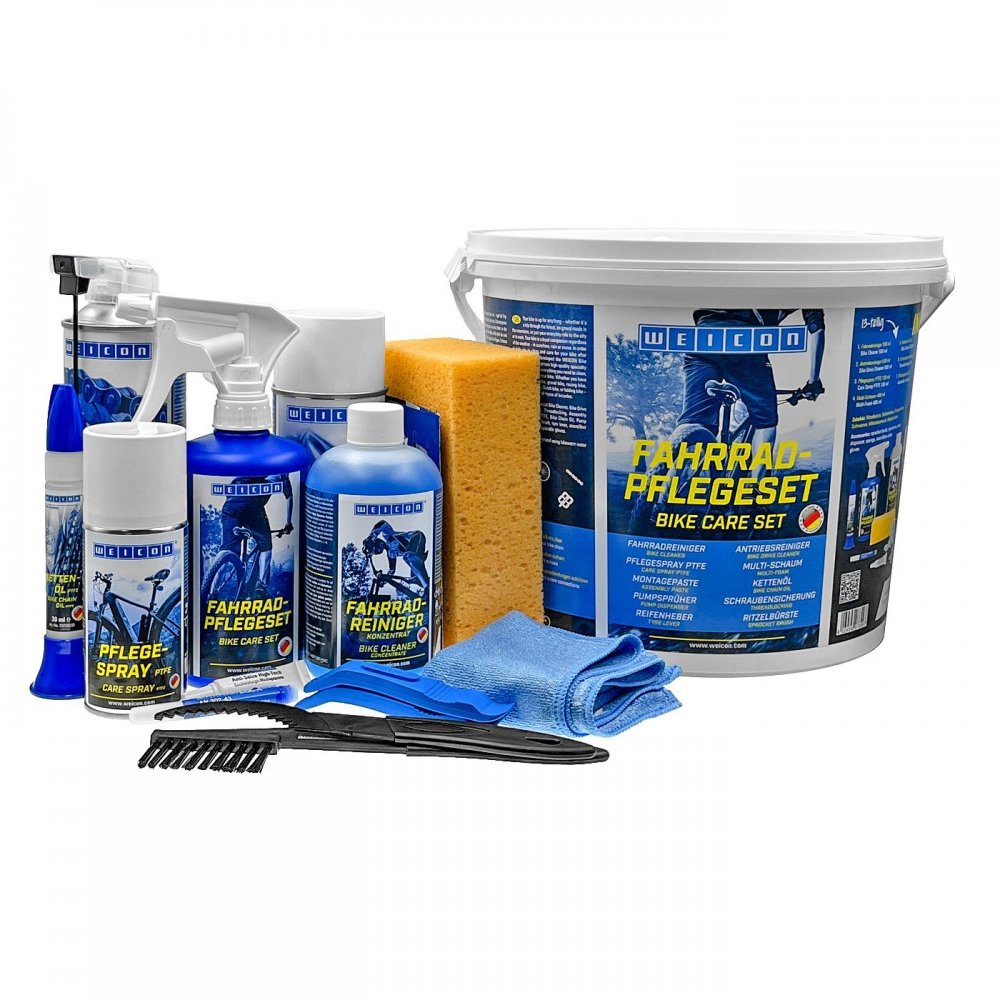 WEICON 13-piece bike care set
- Code
- 10057749
- In stock
- 1pcs
- Price excl. VAT
- PLN 144.36/ pcs
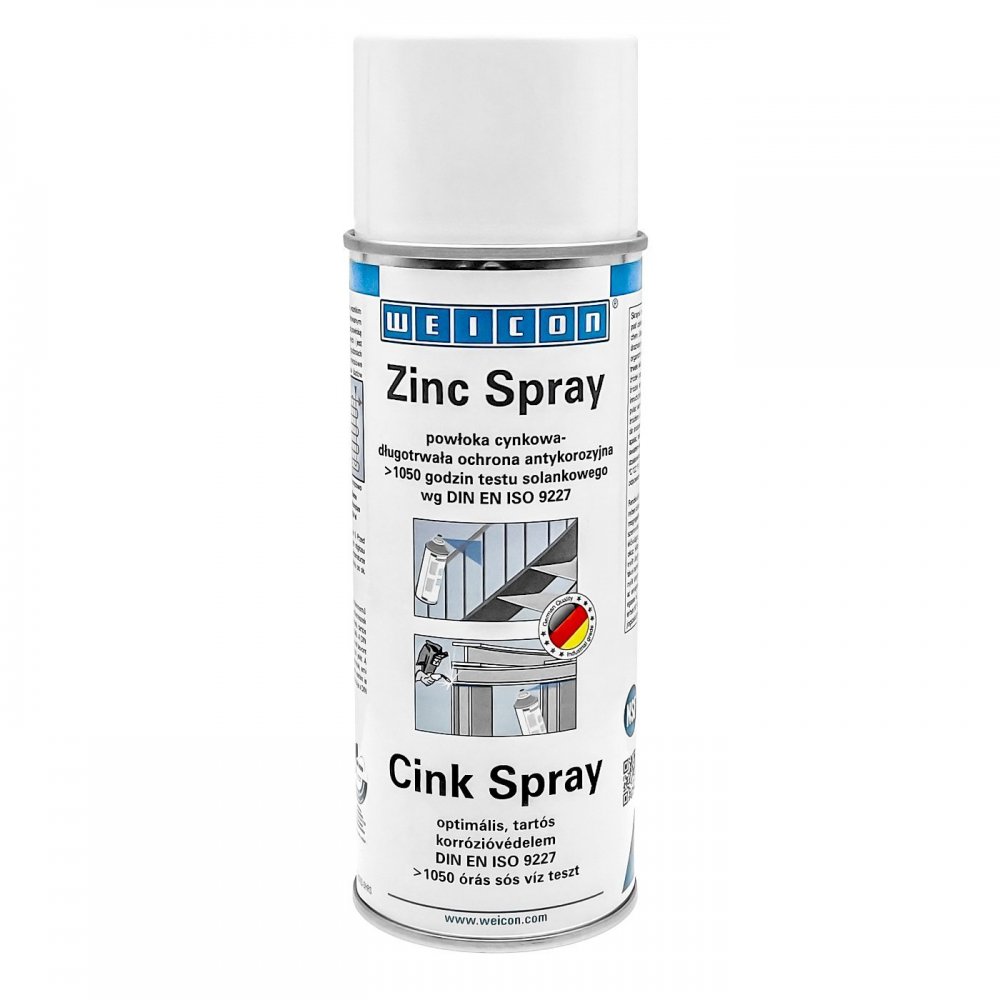 WEICON Zinc Spray anti-corrosion agent 400ml [11000400-51]
- Code
- 10037443
- In stock
- 59pcs
- Price excl. VAT
- PLN 56.56/ pcs
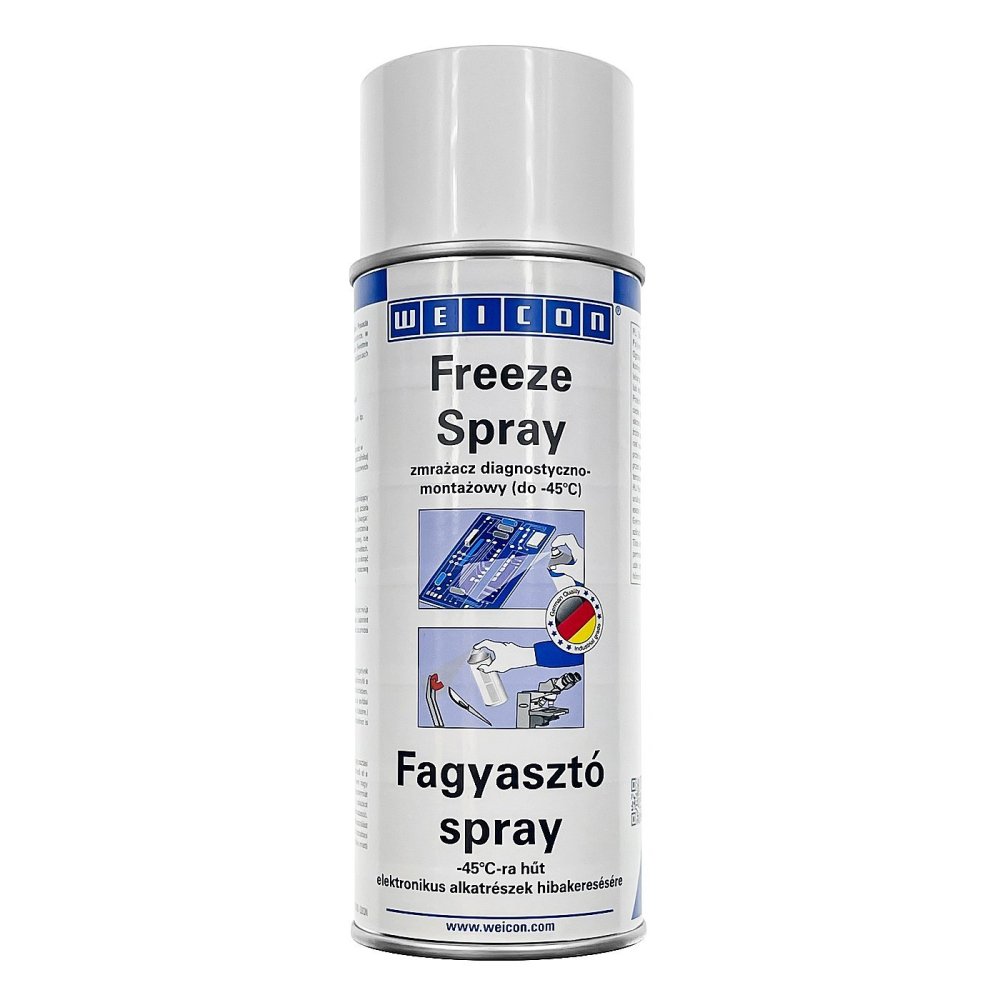 WEICON Freeze Spray 400 ml
- Code
- 10037564
- In stock
- 12pcs
- Price excl. VAT
- PLN 56.56/ pcs
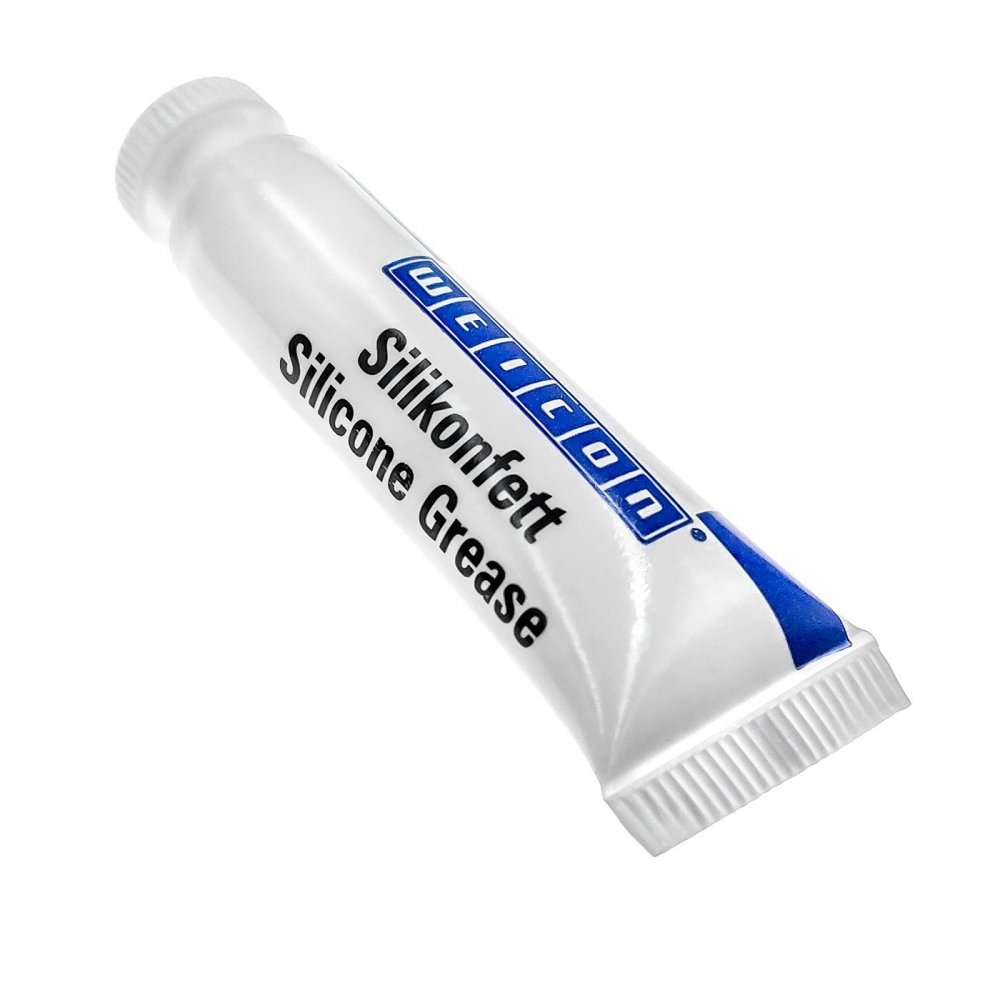 Weicon Silicone grease 5g
- Code
- 10053151
- In stock
- On request
- Price excl. VAT
- On request
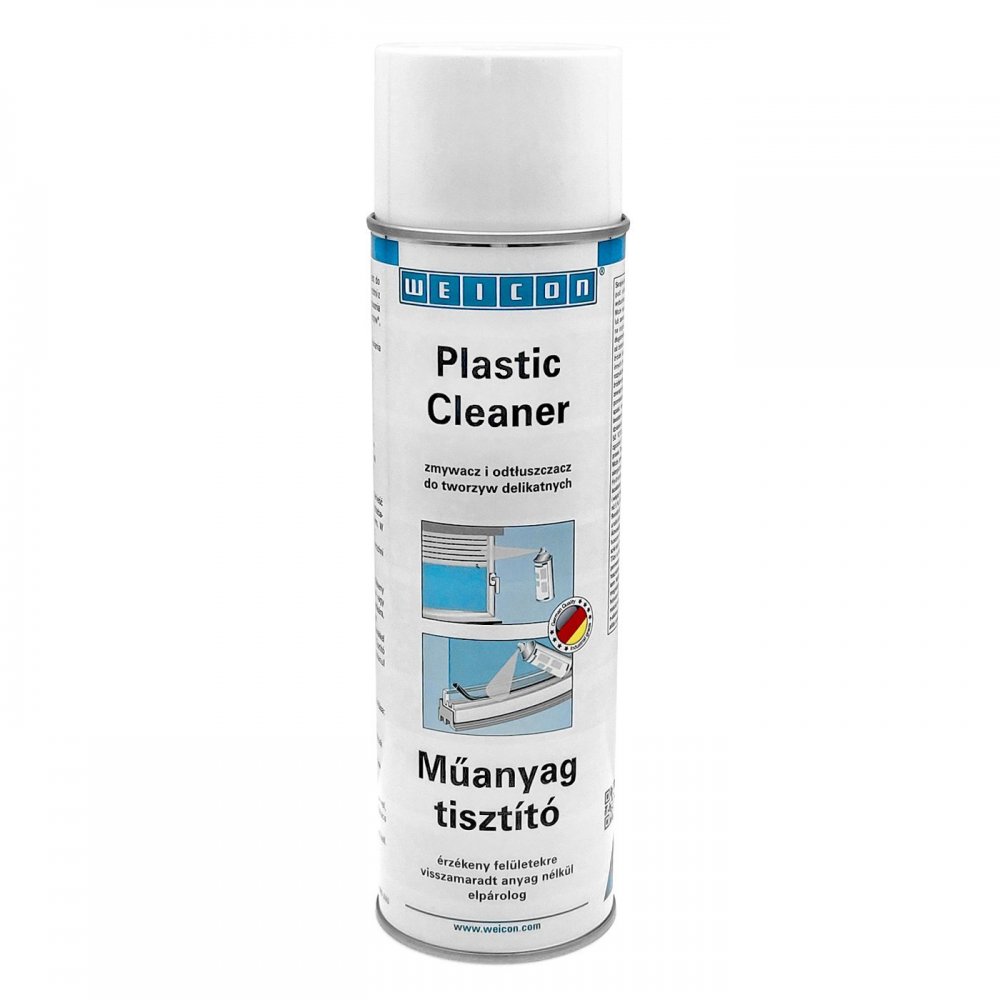 WEICON Plastic Cleaner plastic cleaning spray 500ml [11204500-51]
- Code
- 10037520
- In stock
- 27pcs
- Price excl. VAT
- PLN 32.94/ pcs
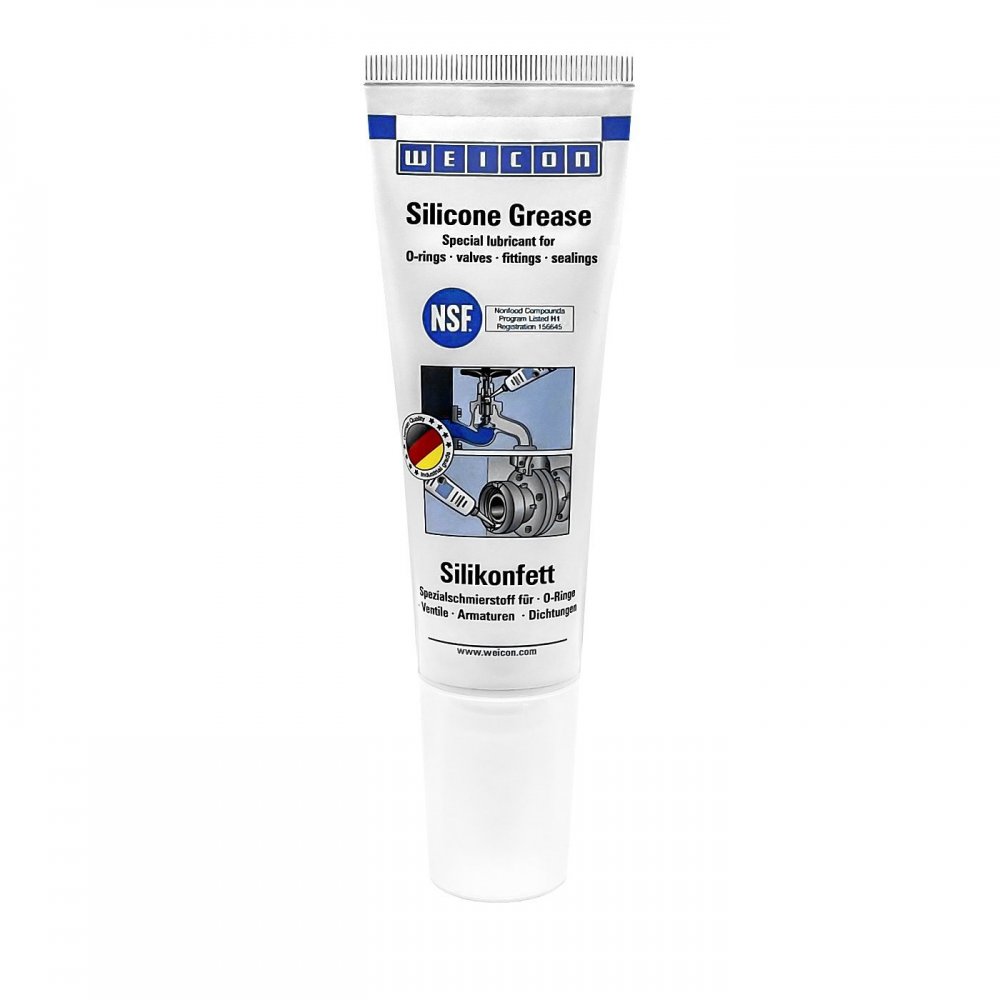 Weicon Silicone grease 85g
- Code
- 10050566
- In stock
- 19pcs
- Price excl. VAT
- PLN 70.00/ pcs
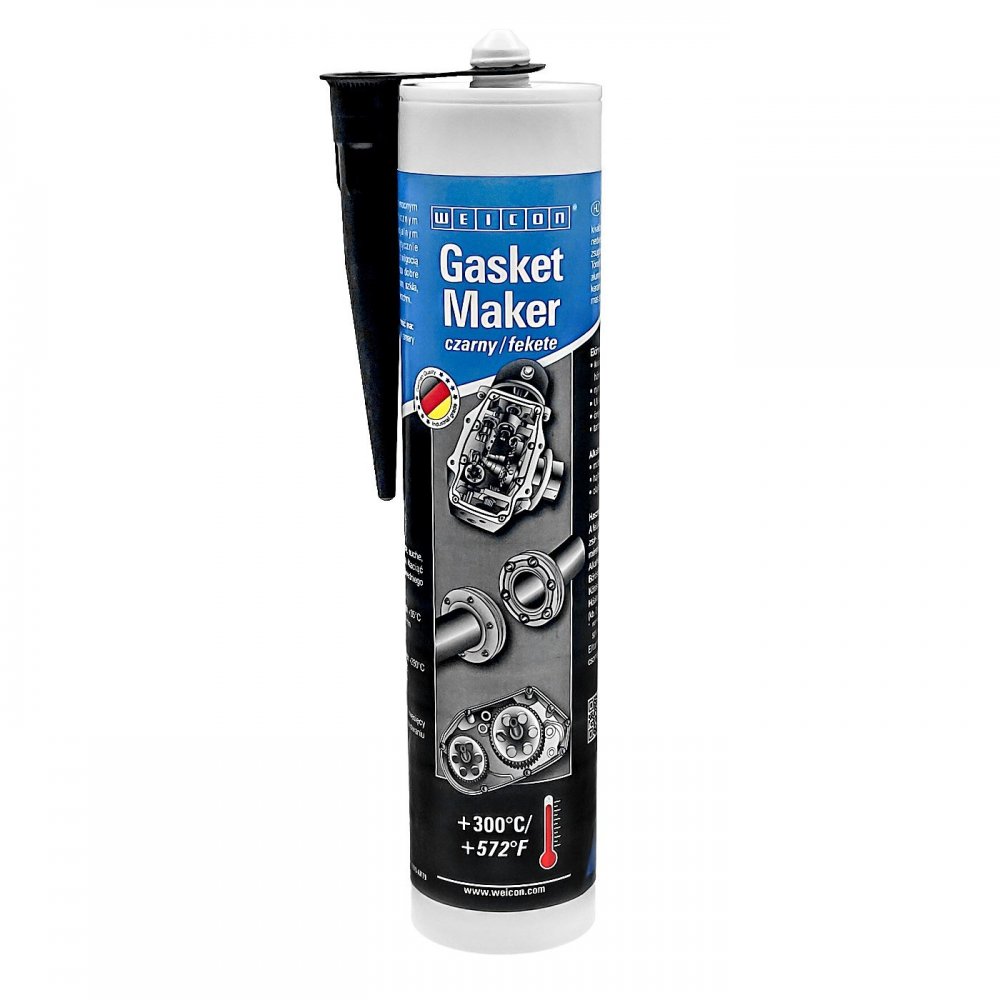 Gasket Maker flexible special sealant [30101310-51]
- Code
- 10052667
- In stock
- 32pcs
- Price excl. VAT
- PLN 67.76/ pcs
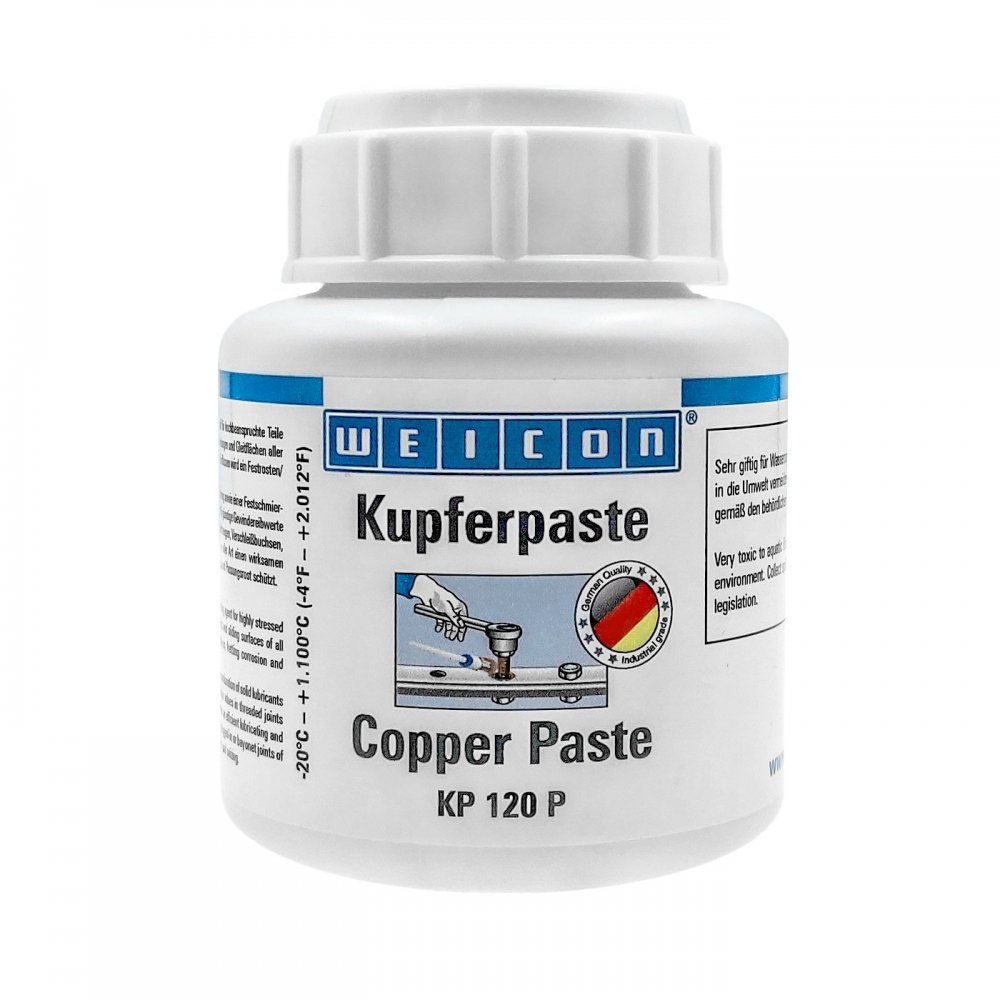 Copper assembly paste Weicon Copper Paste 120 g [26200012]
- Code
- 10026335
- In stock
- 20pcs
- Price excl. VAT
- PLN 37.09/ pcs
We recommend: Tools
View all
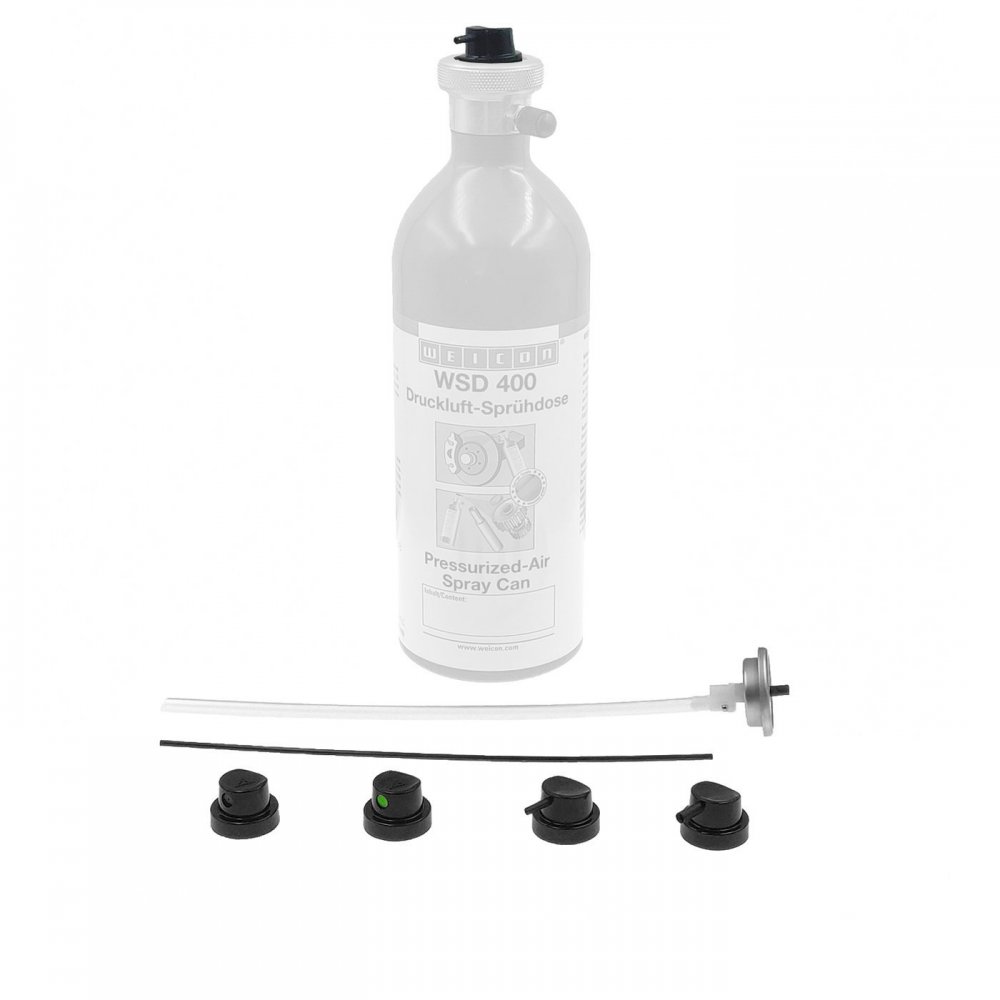 WEICON 4-piece spray head set with valve for WSD400
- Code
- 10009303
- In stock
- 21pcs
- Price excl. VAT
- PLN 19.15/ pcs
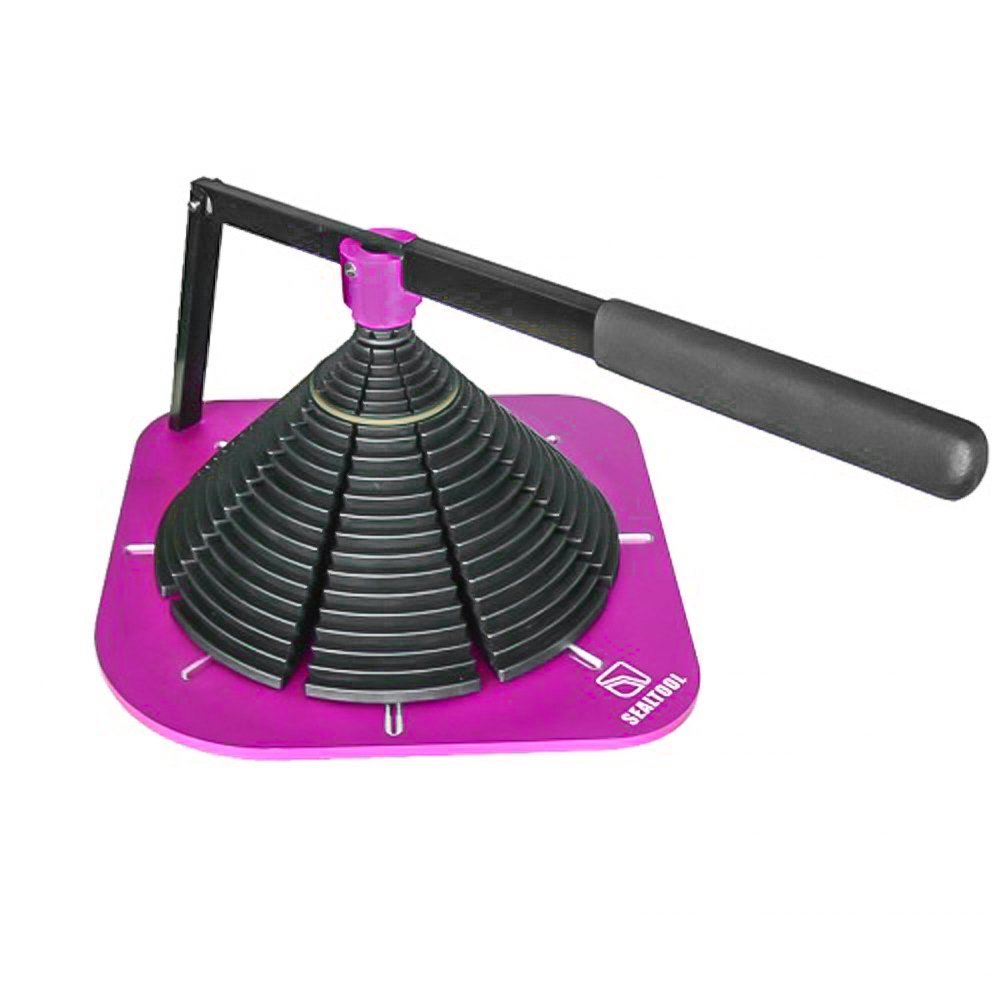 Seal stretcher [o40MM-250MM]
- Code
- 48003371
- In stock
- 3pcs
- Price excl. VAT
- PLN 1,191.91/ pcs
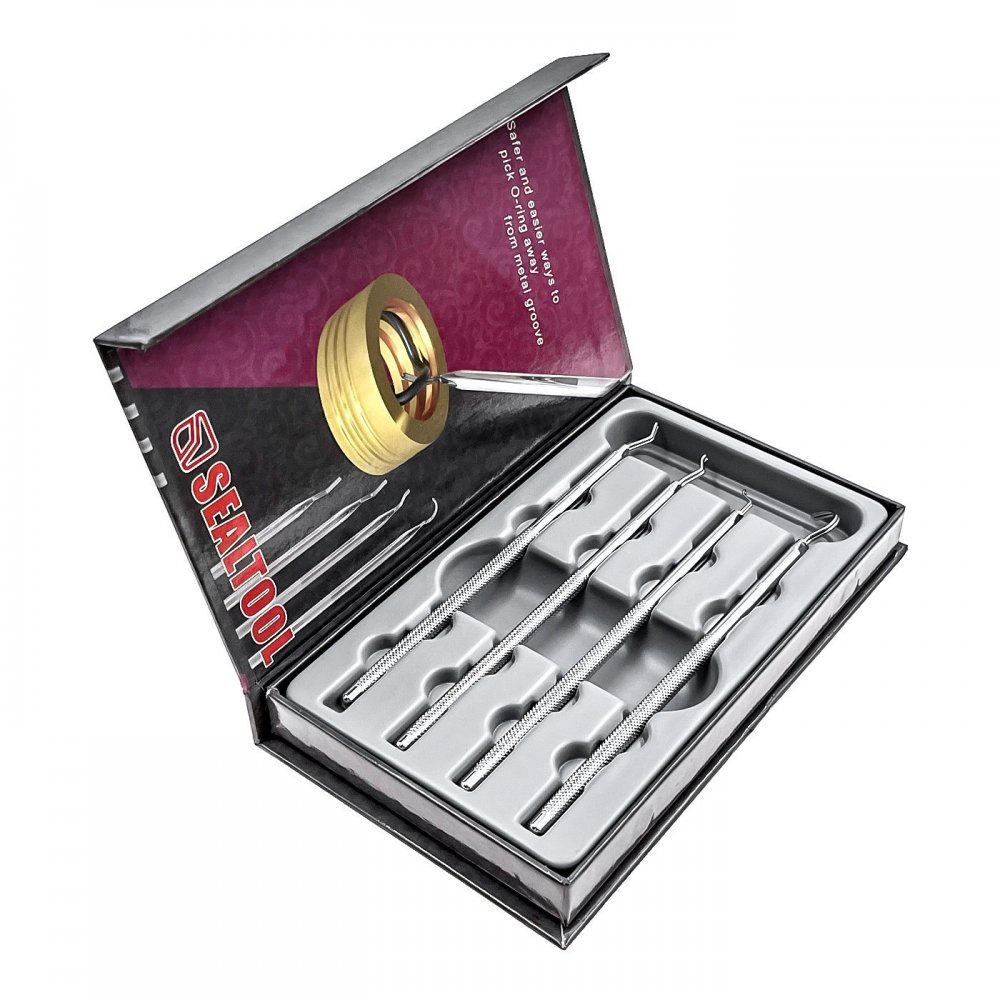 O-Ring Removal Tool Set [OR PICKER]
- Code
- 48004797
- In stock
- 1pcs
- Price excl. VAT
- PLN 92.40/ pcs
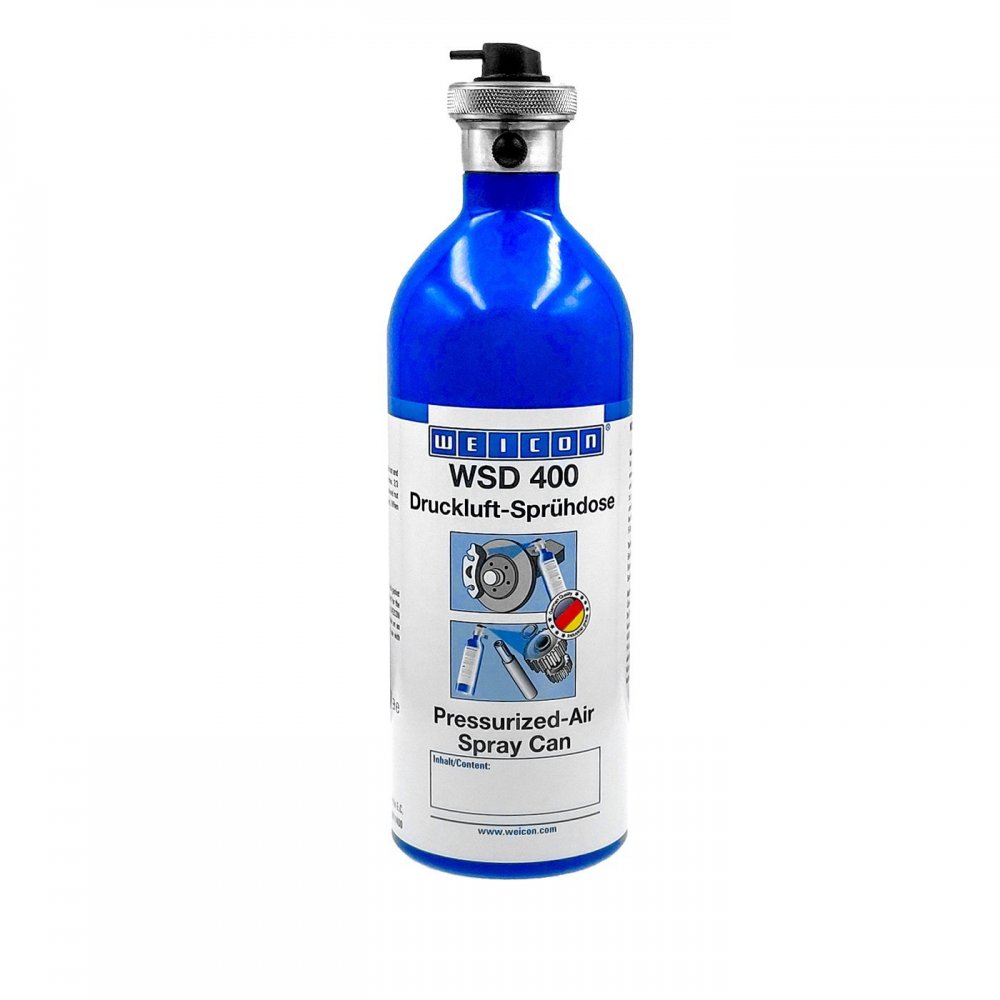 Pressurized-Air Spray Can WEICON WSD400
- Code
- 10009301
- In stock
- 15pcs
- Price excl. VAT
- PLN 151.59/ pcs
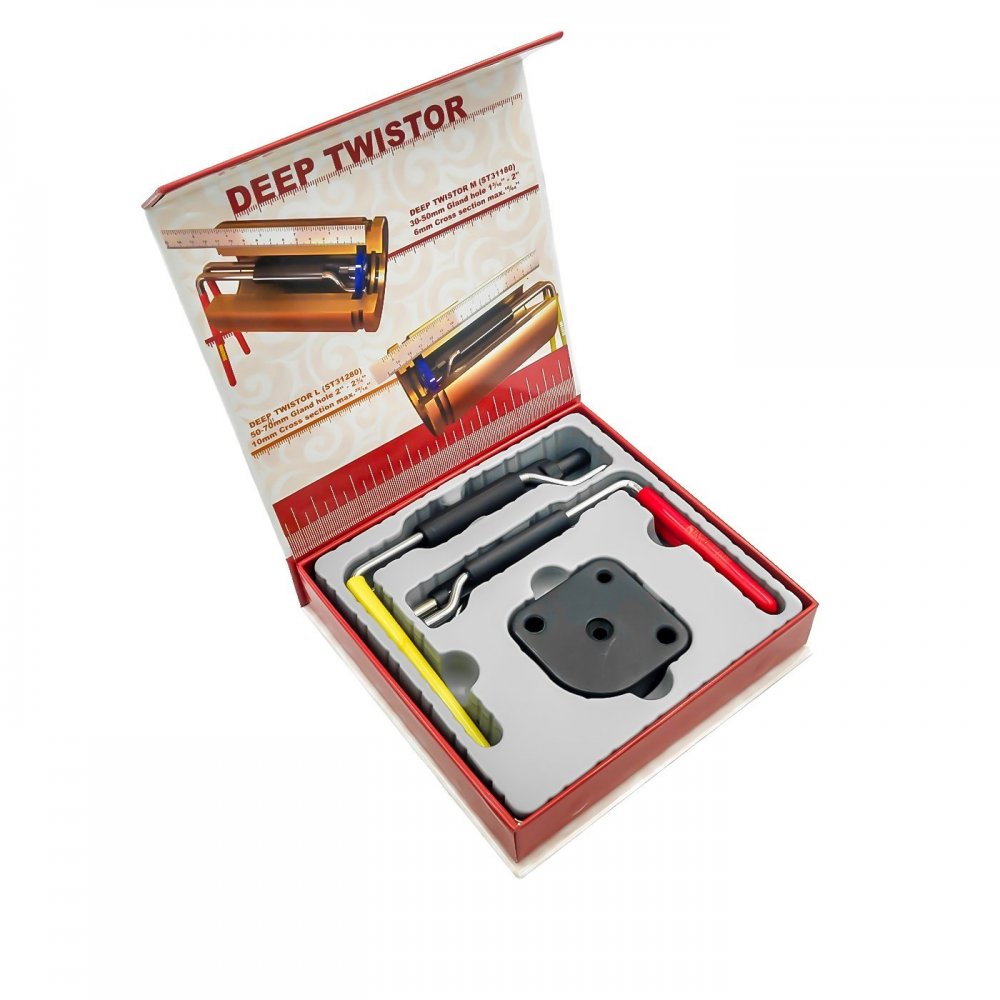 Deep seal twistor set
- Code
- 48003373
- In stock
- On request
- Price excl. VAT
- On request
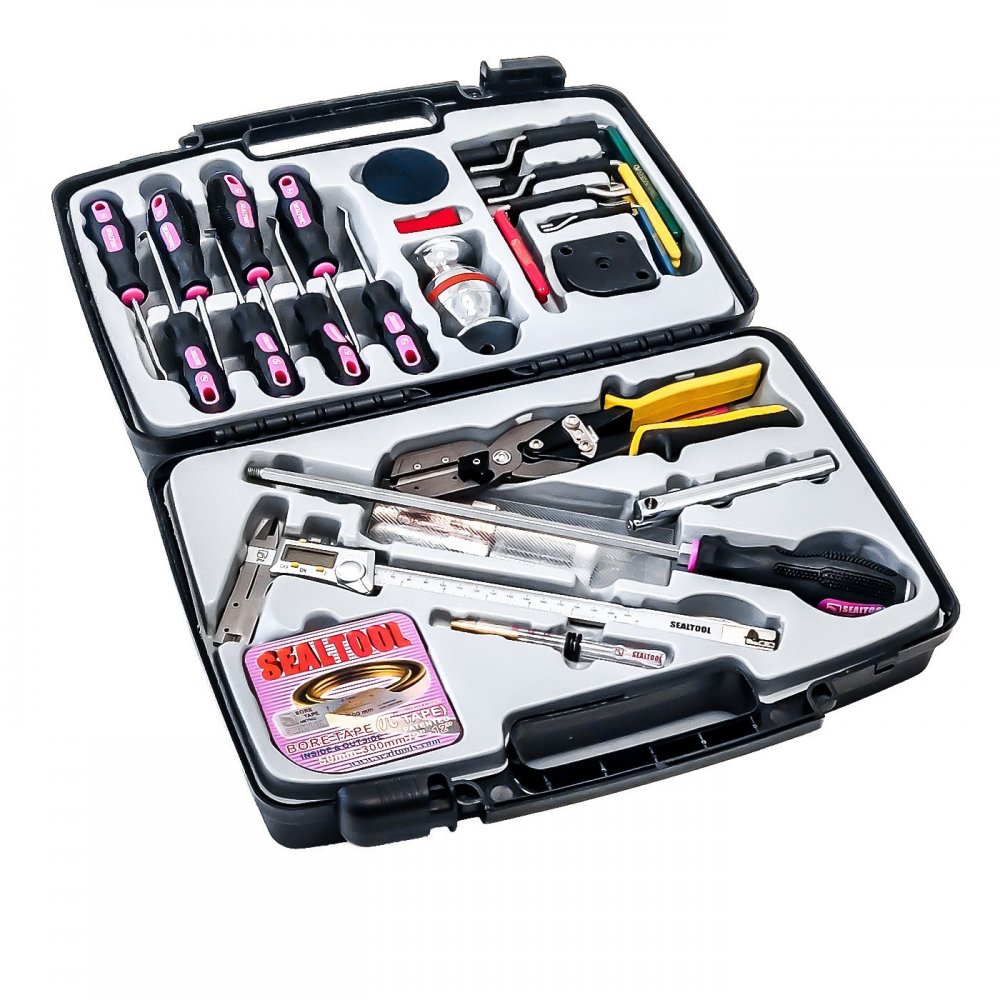 Seal Installation Tool Kit [SEALTOOL]
- Code
- 48004577
- In stock
- On request
- Price excl. VAT
- On request
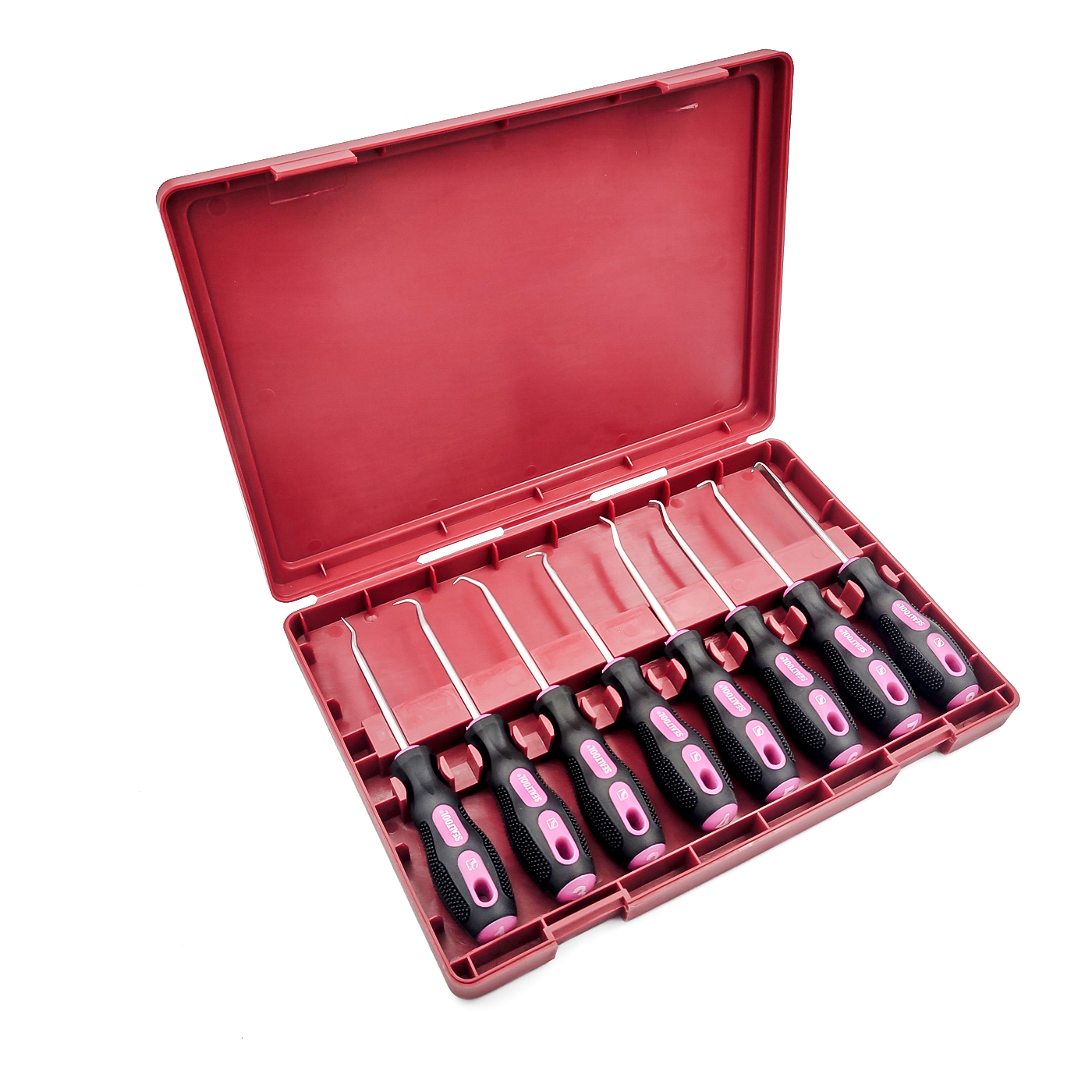 Seal hook set
- Code
- 48003740
- In stock
- 24pcs
- Price excl. VAT
- PLN 180.18/ pcs
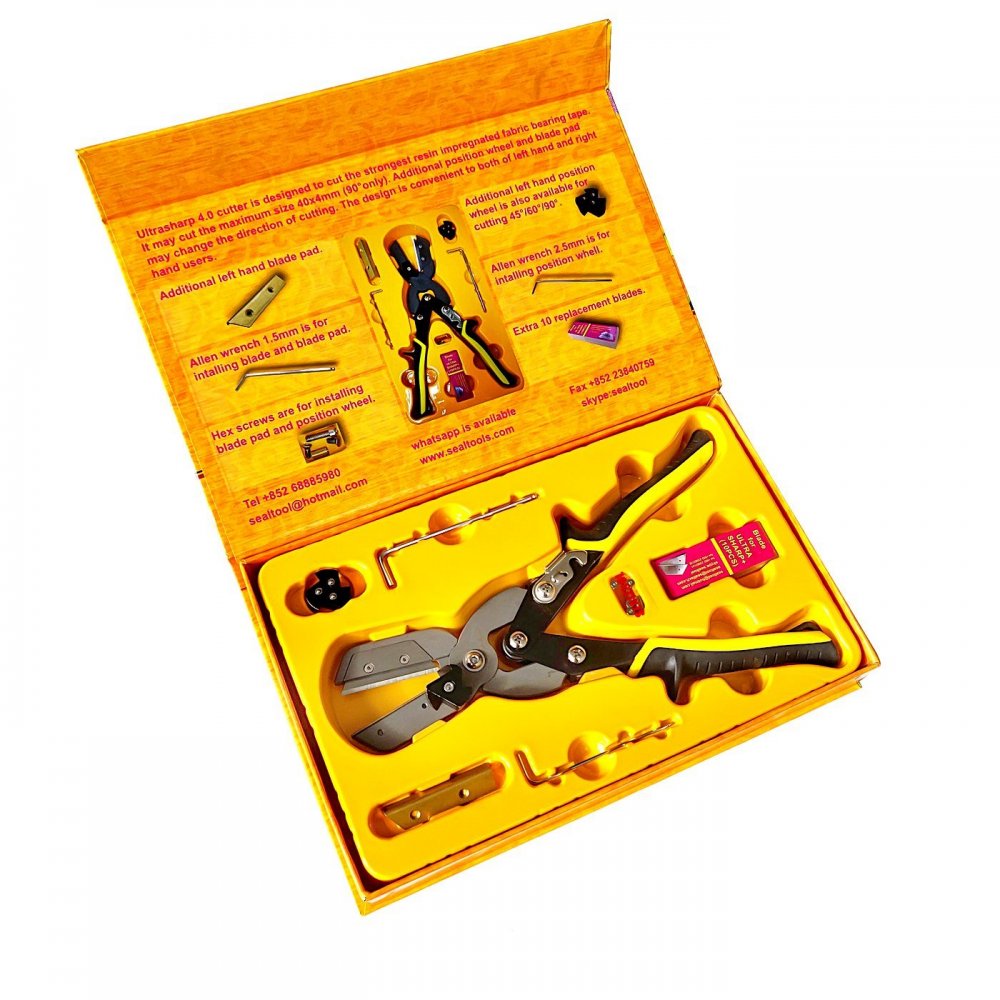 ULTRASHARP 4.0
- Code
- 48003255
- In stock
- 3pcs
- Price excl. VAT
- PLN 387.53/ pcs