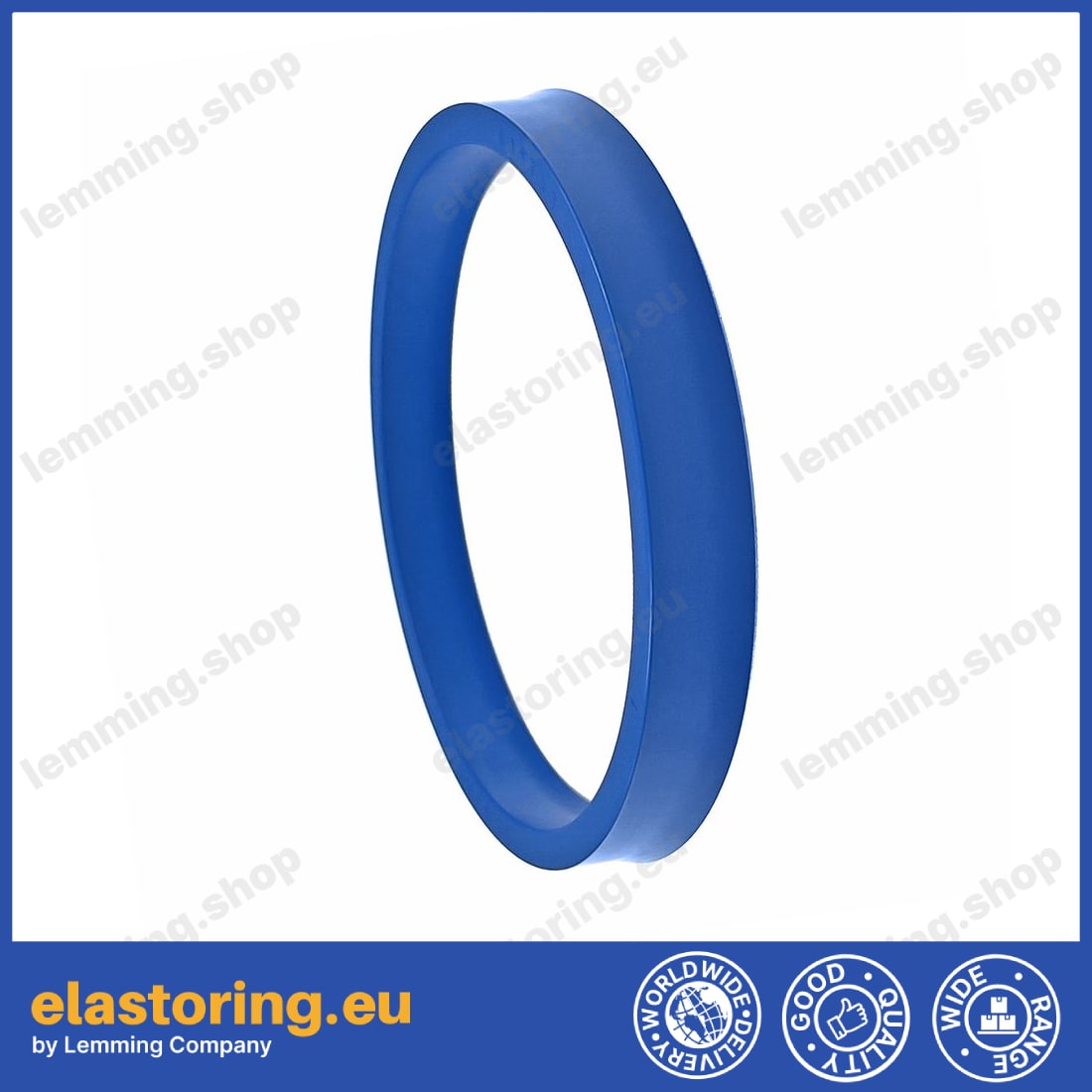
Rod seal K22 10x18x5,5 PU
| Code | K22-010 PU | |
|---|---|---|
| In stock | 16 | pcs |
| Priceexcl. VAT | From €1.54 | /pcs |
Price by quantityexcl. VAT
Similar
StockCode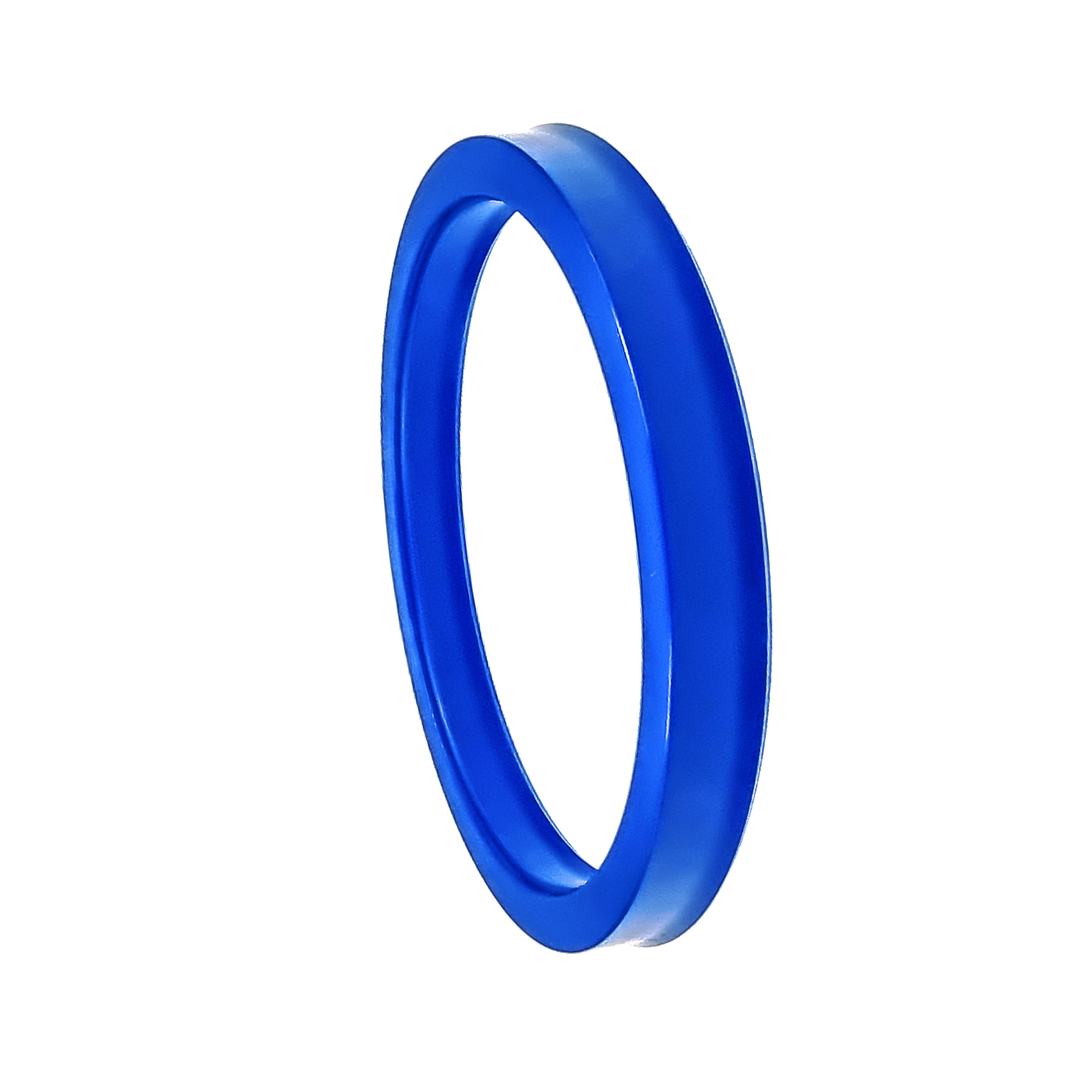
Technical data
| Seal type | K22 | |
|---|---|---|
| Material type | PU | |
| Brand | Kastas | |
| Weight | 2 | g |
| Rod diameter d | 10 | mm |
|---|---|---|
| Groove Diameter D | 18 | mm |
| Seal width h | 5,5 | mm |
Documents
- Kastas K22 - cataloguepdf fileDownload
Description
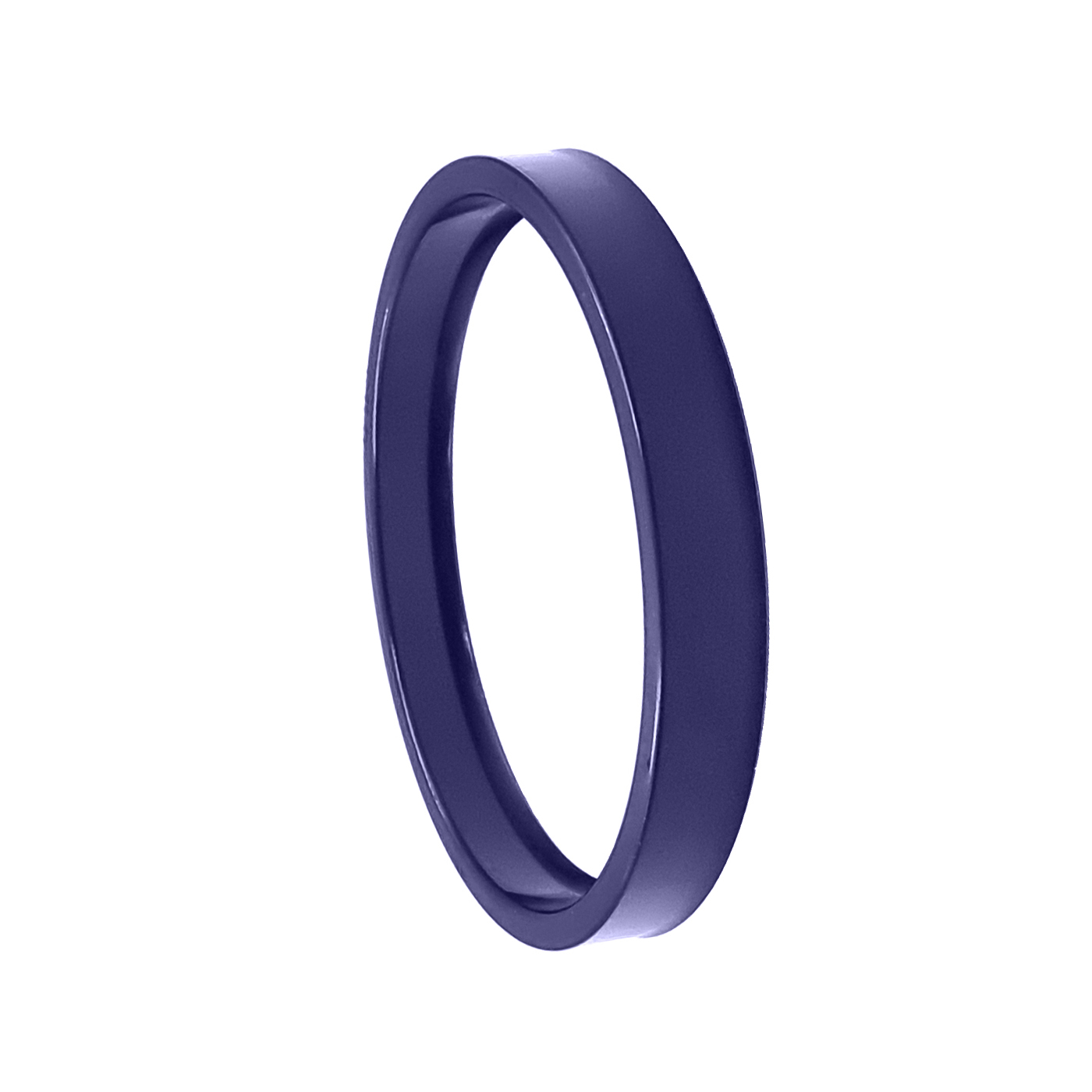
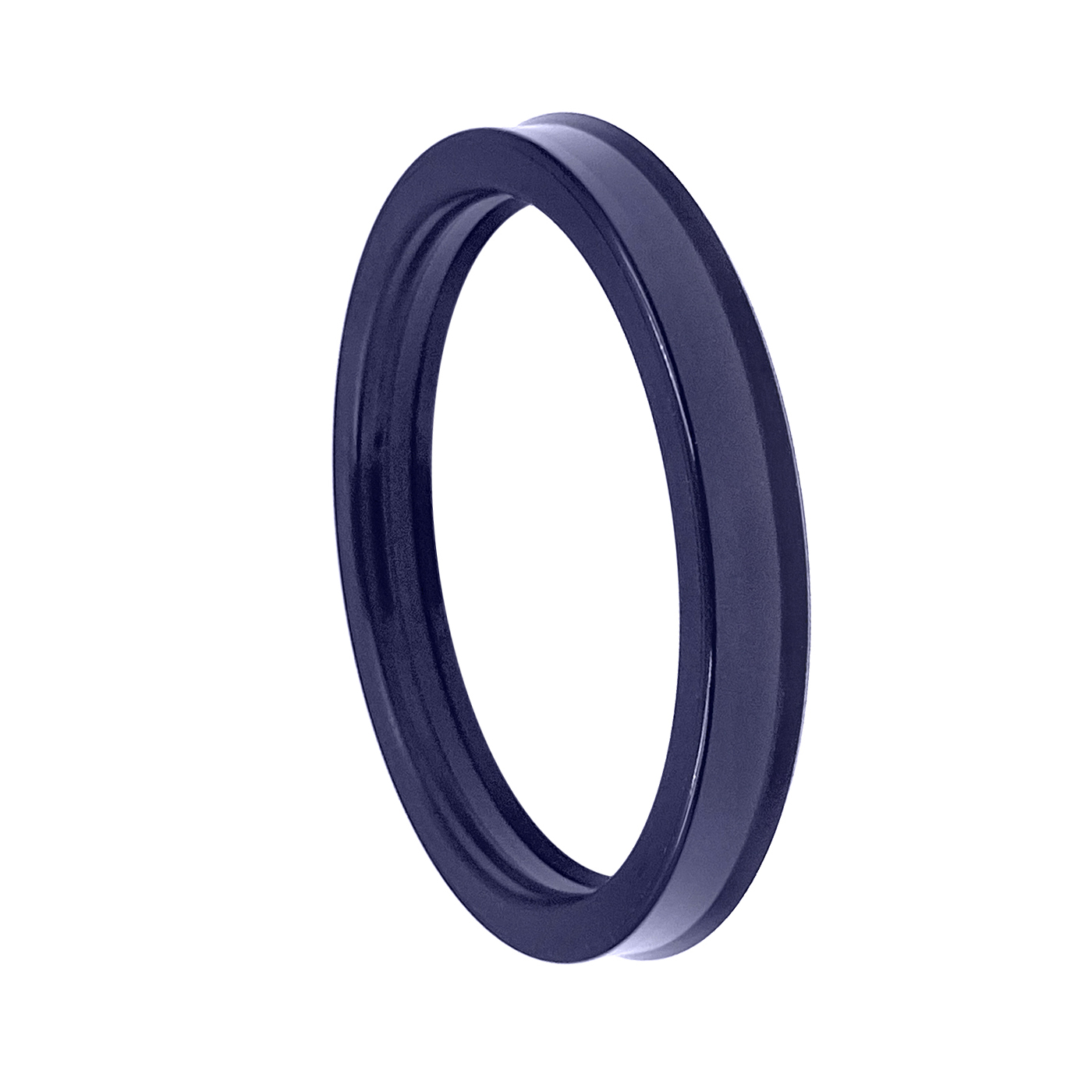
The K22 sealing ring is a single-acting hydraulic gland seal for piston rods, commonly known as a "lip seal". The seal's cross-section is based on an asymmetric arrangement of two lips: the inner (dynamic) lip is shorter and faces the piston rod surface, while the outer (static) lip is longer and rests against the bottom of the housing groove. This design provides effective static and dynamic sealing during the reciprocating movement of the piston rod. The lip angle is 20°, and all edges of the seal are rounded and free of burrs in accordance with the manufacturer's specification. The seal is made of polyurethane PU9201 with a hardness of 92 Shore A. This material is characterised by abrasion resistance and good mechanical strength under typical operating conditions of hydraulic systems. The K22 ring is used to seal the piston rod of a hydraulic cylinder in construction machinery, forklifts, injection moulding machines, agricultural machinery, loading platforms and standard cylinders. Seal type: K22 – piston rod gland seal (single-acting) Material: PU9201 (polyurethane, 92 Shore A) Inner diameter d: 10 mm (0.394″) Outer diameter D: 18 mm (0.709″) Height / thickness H: 5,5 mm (0.217″) Size in inches (d × D × H): 0.394″ × 0.709″ × 0.217″ Tolerance d: f8 | Tolerance D: H11 Maximum working pressure: 400 bar (mineral oils) Maximum sliding speed: 0,5 m/s Brand: Kastas Product code: K22-010 PU SKU: 12384
Material
PU / TPU / H-PU (polyurethane)
- Standard PU / TPU-30 °C to +80 °C
Best for high pressure and abrasion, in mineral hydraulic oil. Standard PU must never meet hot water, steam or brake fluid, or run hotter than +90 °C.
| Can be used | Do not use |
|---|---|
| Extreme pressure and pulsation (up to 40-50 MPa, very resistant to extrusion into the gap) | Hot water and steam with standard PU: hydrolysis, it breaks down into powder |
| Abrasion, friction, cutting and tearing (4-5 times tougher than NBR) | Glycol brake fluid (DOT 3, DOT 4, DOT 5.1): swells quickly |
| Mineral hydraulic oil (HL, HLP) and grease | High temperatures above +90 to +100 °C with standard TPU: it softens |
| Fuel oil, diesel and technical oils (aliphatic hydrocarbons) | Strong (concentrated) acids and alkalis: sulfuric, nitric, caustic soda |
| Ozone, weather and sunlight (does not crack from weather) | Acetone, MEK, toluene, benzene, dichloromethane (polar and aromatic solvents) |
| Water-based fire-resistant fluids HFA, HFB (only special H-PU) | Synthetic ester oils and fire-resistant fluid HFD-R |
| Dry compressed air and technical gases | Strong alcohols (methanol, ethanol): swelling |
Water and heat destroy standard PU: above +50 to +60 °C in water or damp oil it turns into a sticky paste or crumbles. If the system contains water or an emulsion, use only H-PU (hydrolysis-resistant).
We recommend: Industrial chemicals
View all
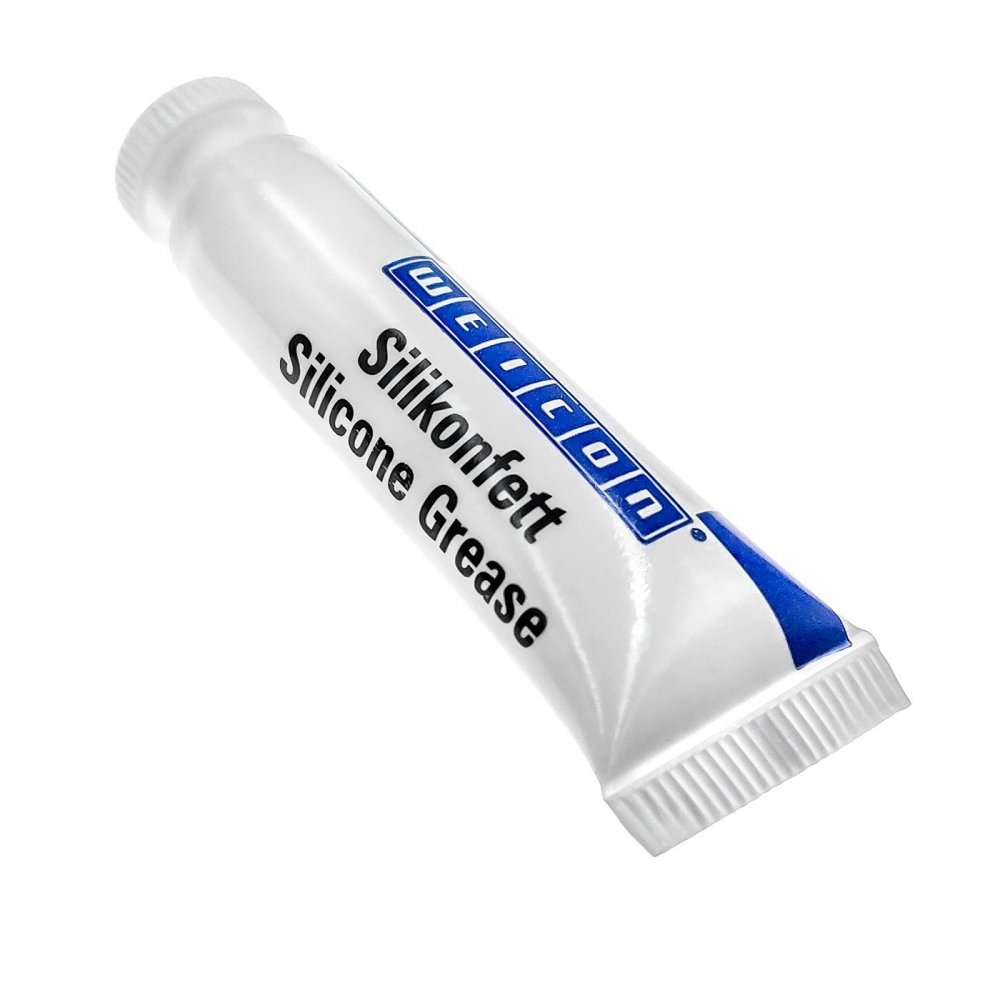 Weicon Silicone grease 5g
- Code
- 10053151
- In stock
- On request
- Price excl. VAT
- On request
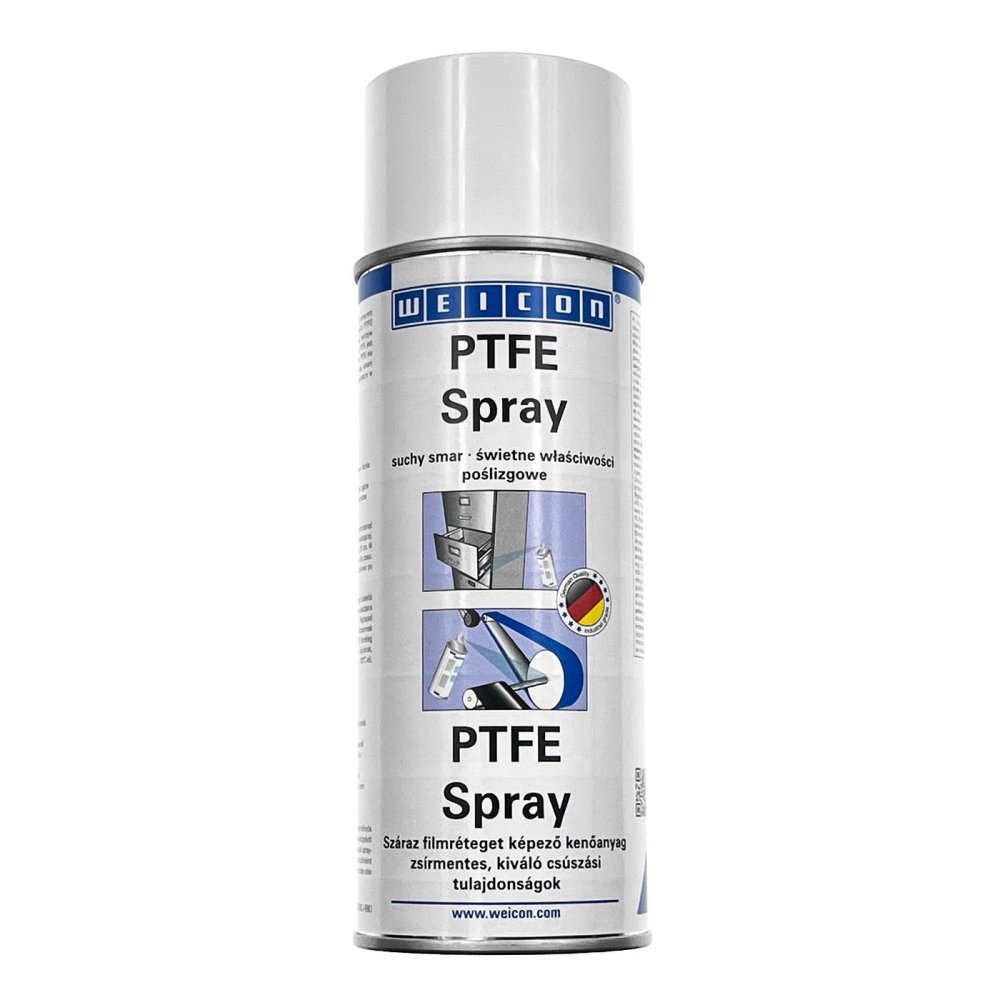 WEICON PTFE Spray 400 ml
- Code
- 10037539
- In stock
- 10pcs
- Price excl. VAT
- €14.96/ pcs
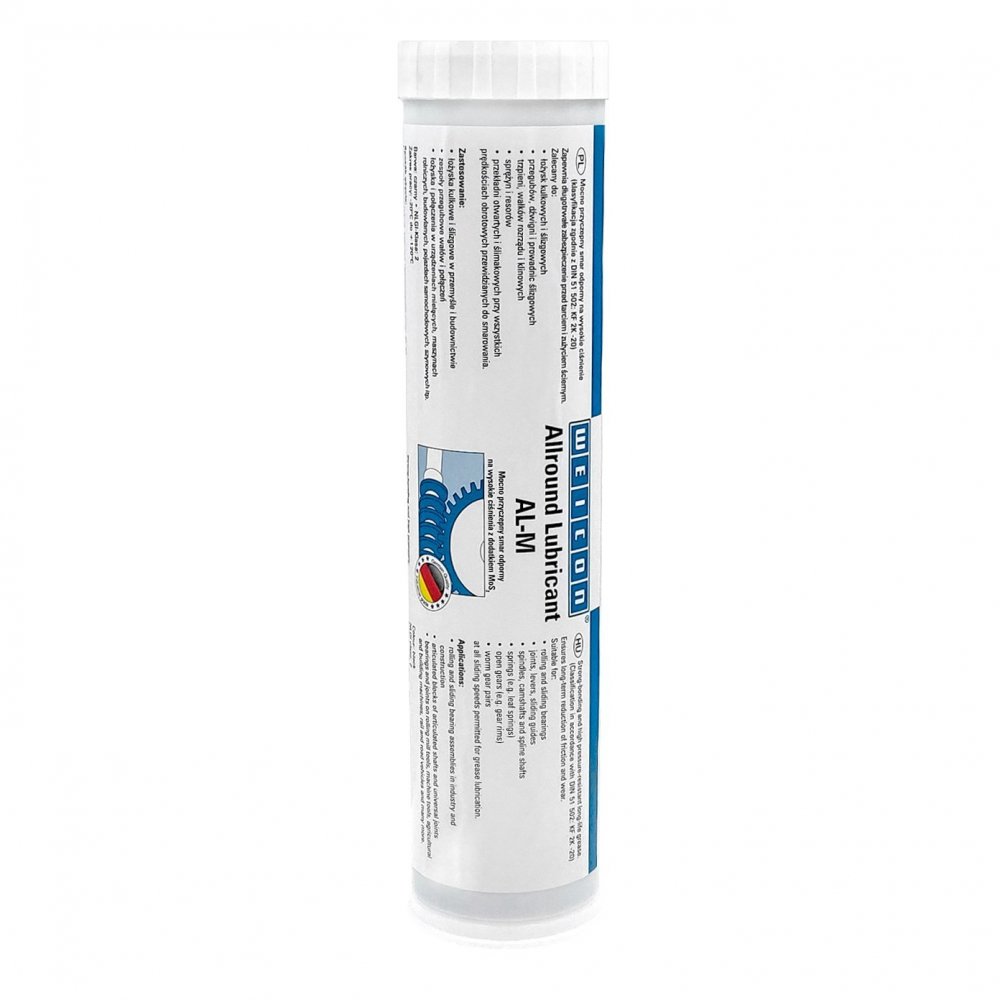 WEICON AL-M Allround Lubricant Long-term grease 400 g [26400040-51]
- Code
- 10046471
- In stock
- 7pcs
- Price excl. VAT
- €10.11/ pcs
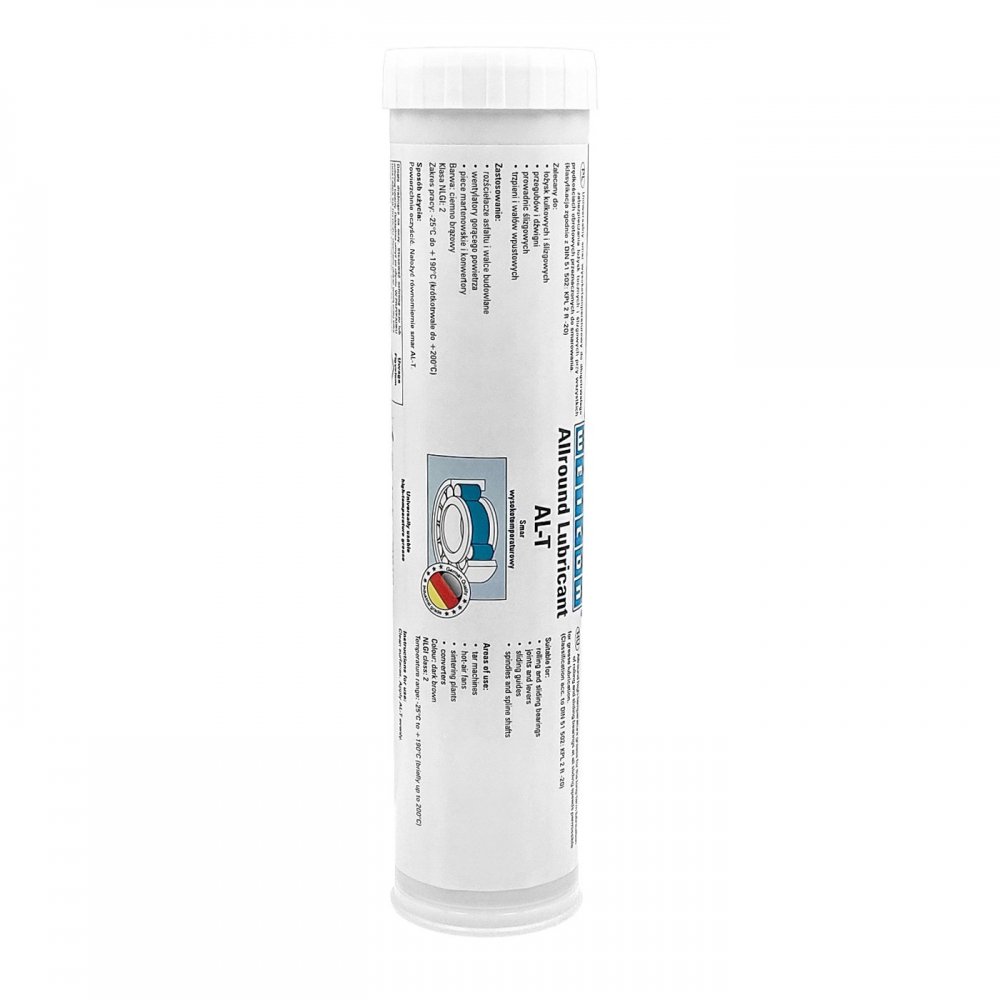 WEICON AL-T Allround Lubricant High temperature grease 400g [26600040-51]
- Code
- 10046476
- In stock
- 10pcs
- Price excl. VAT
- €9.88/ pcs
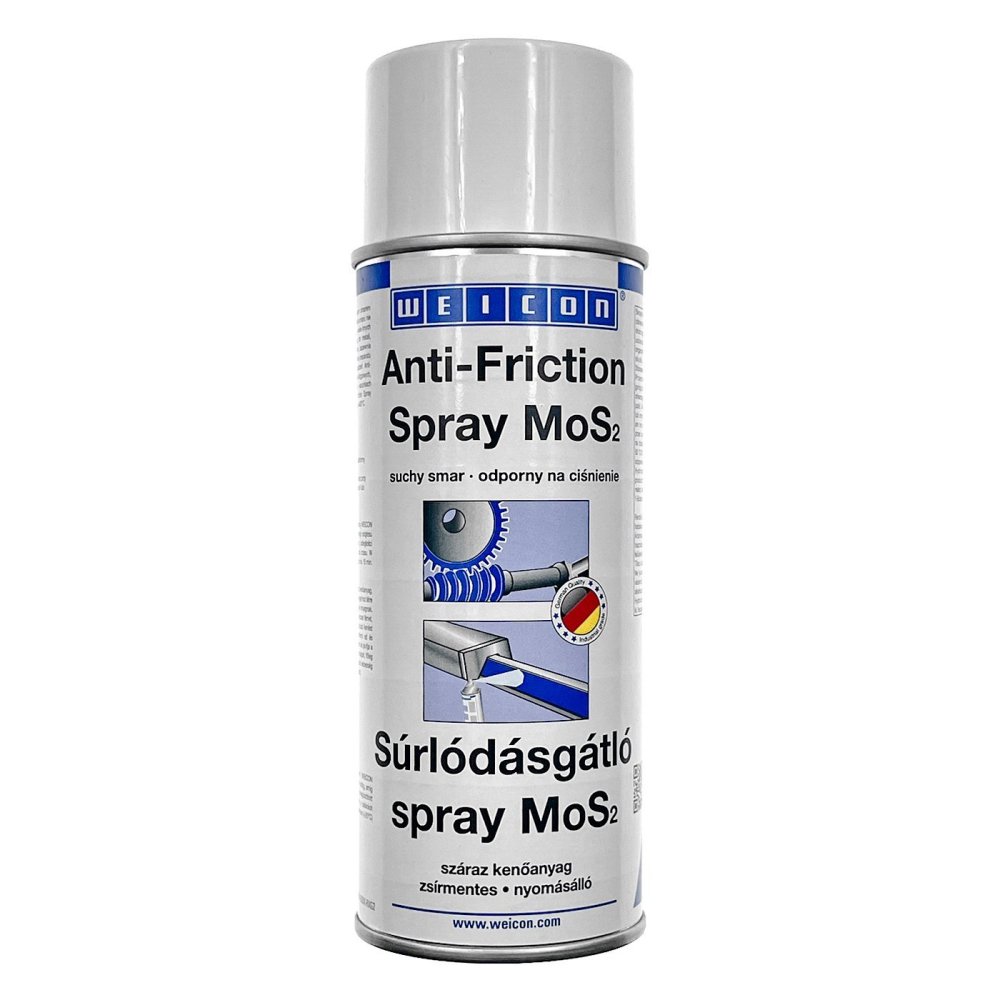 WEICON Anti-Friction Spray MoS2 400 ml
- Code
- 10037556
- In stock
- 9pcs
- Price excl. VAT
- €16.75/ pcs
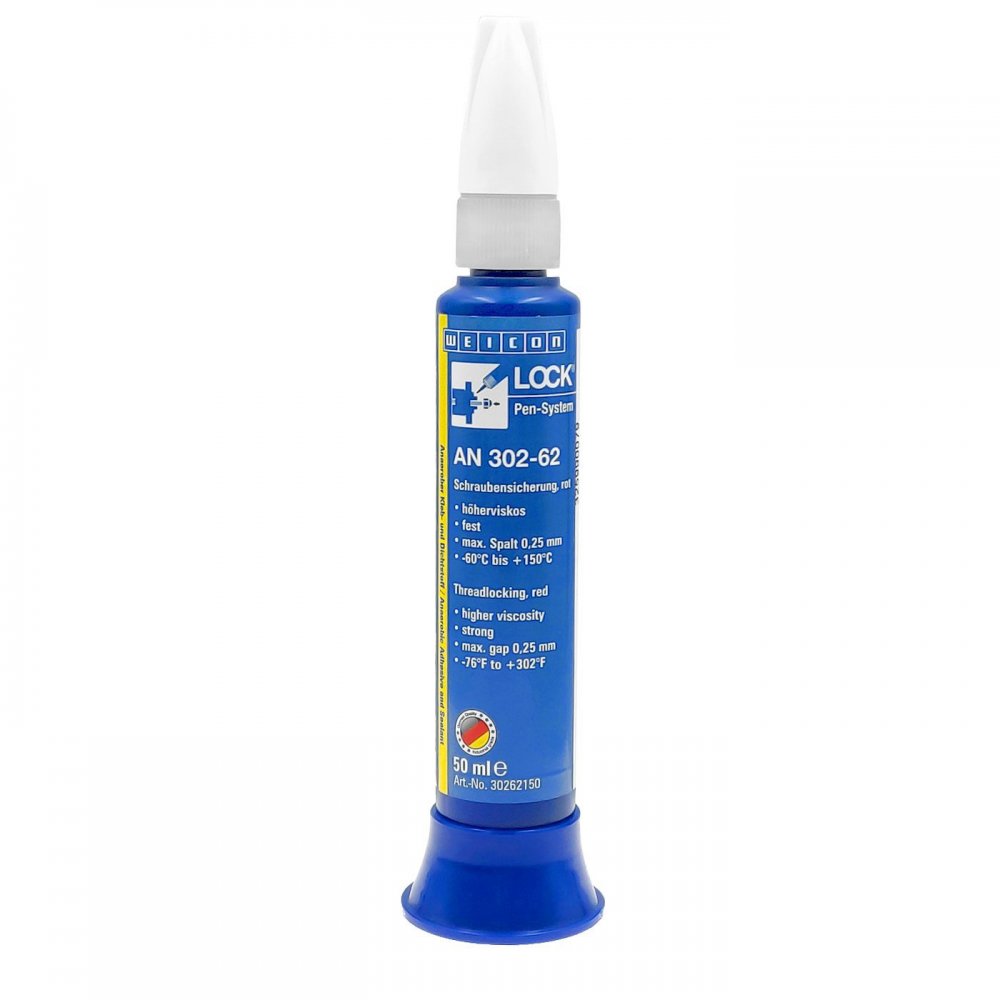 WEICONLOCK AN 302-62 thread locking agent 50 ml [30262150]
- Code
- 10067980
- In stock
- 8pcs
- Price excl. VAT
- €23.40/ pcs
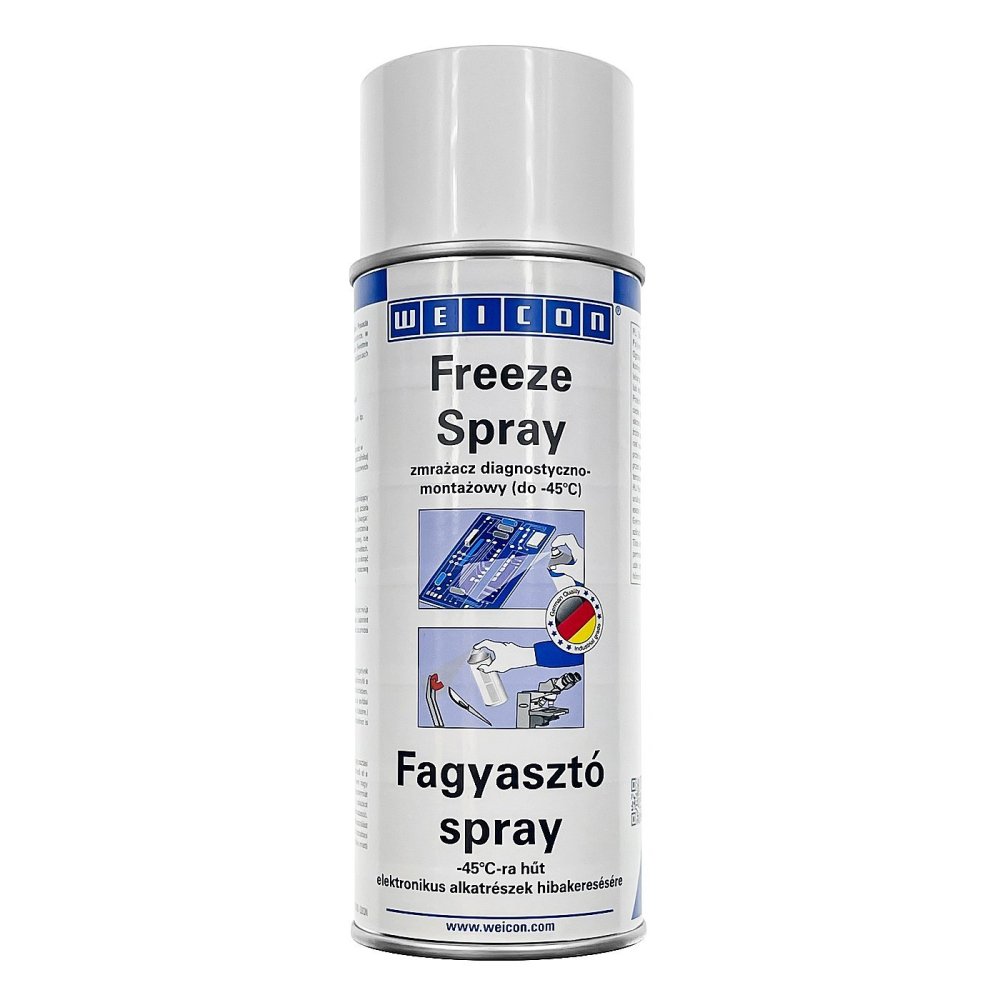 WEICON Freeze Spray 400 ml
- Code
- 10037564
- In stock
- 12pcs
- Price excl. VAT
- €12.92/ pcs
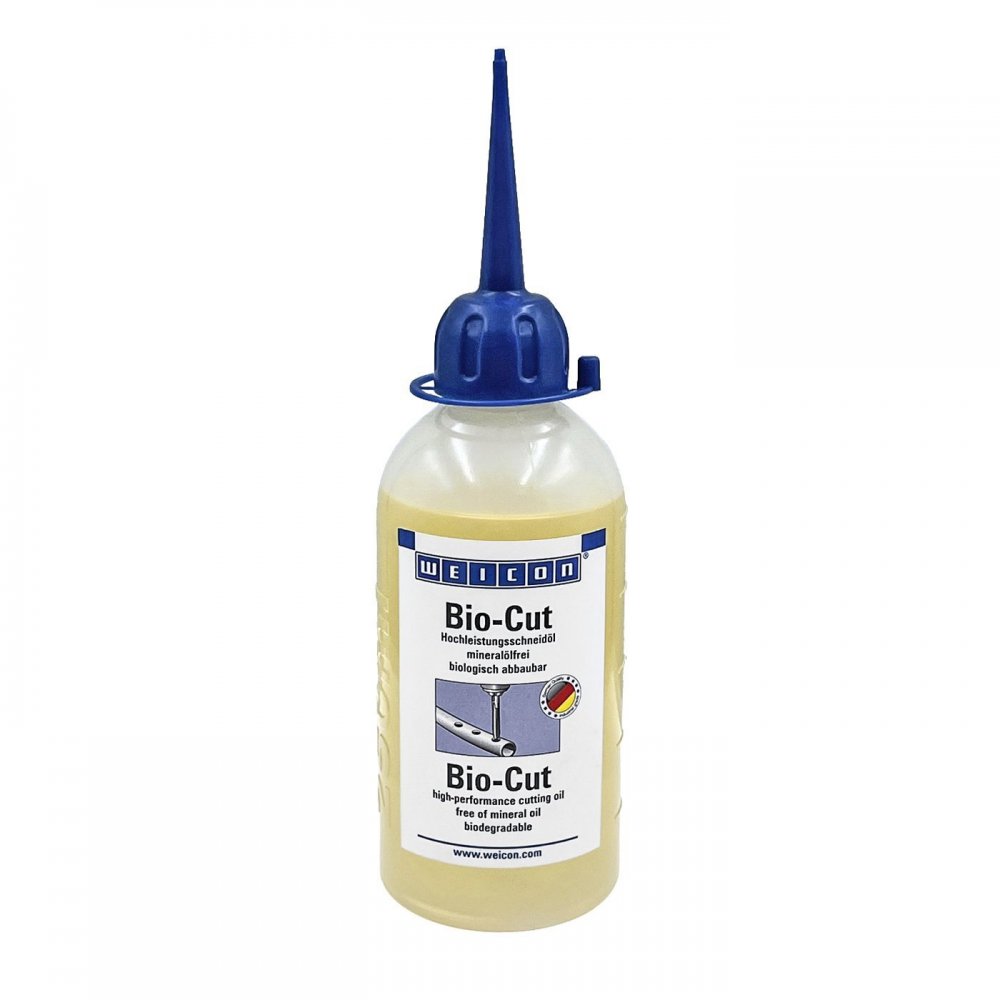 High-performance drilling and cutting oil WEICON Bio-Cut 250ml
- Code
- 10011167
- In stock
- 7pcs
- Price excl. VAT
- €15.47/ pcs
We recommend: Tools
View all
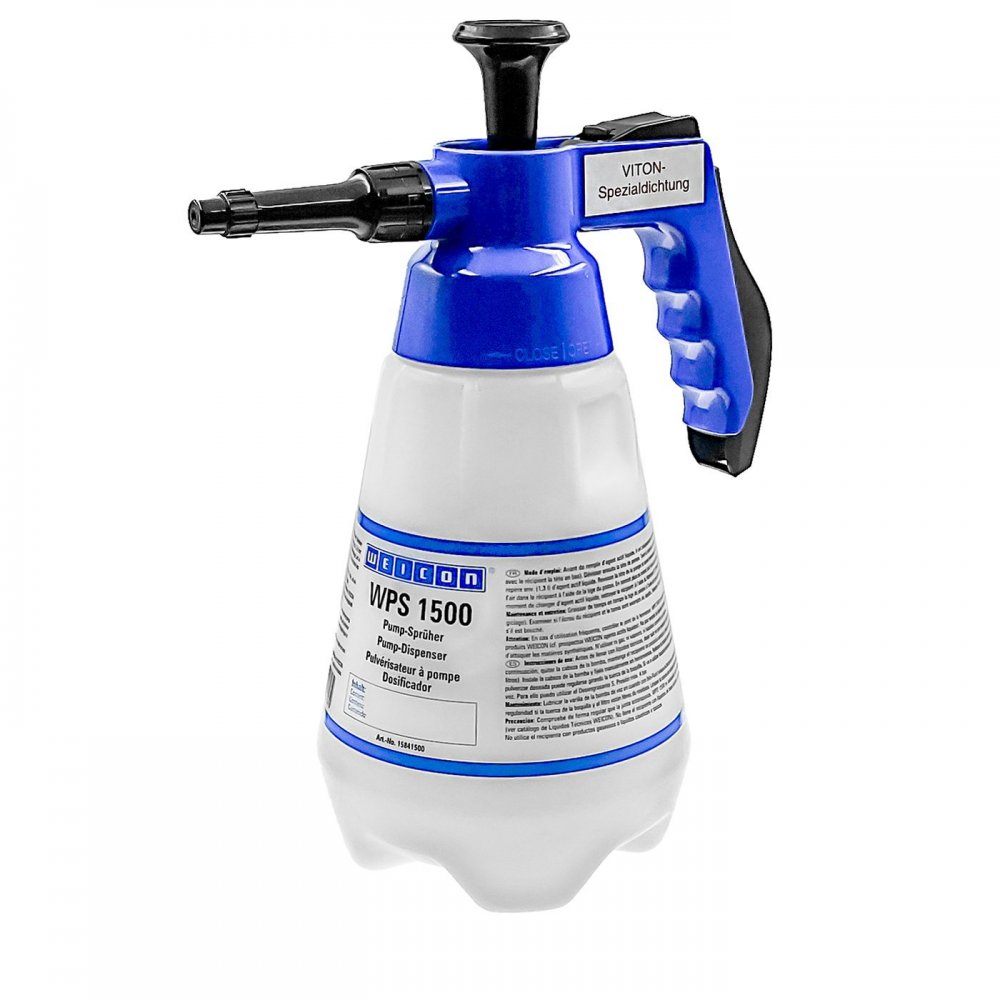 Pump-dispenser WEICON WPS1500
- Code
- 10016002
- In stock
- 4pcs
- Price excl. VAT
- €36.86/ pcs
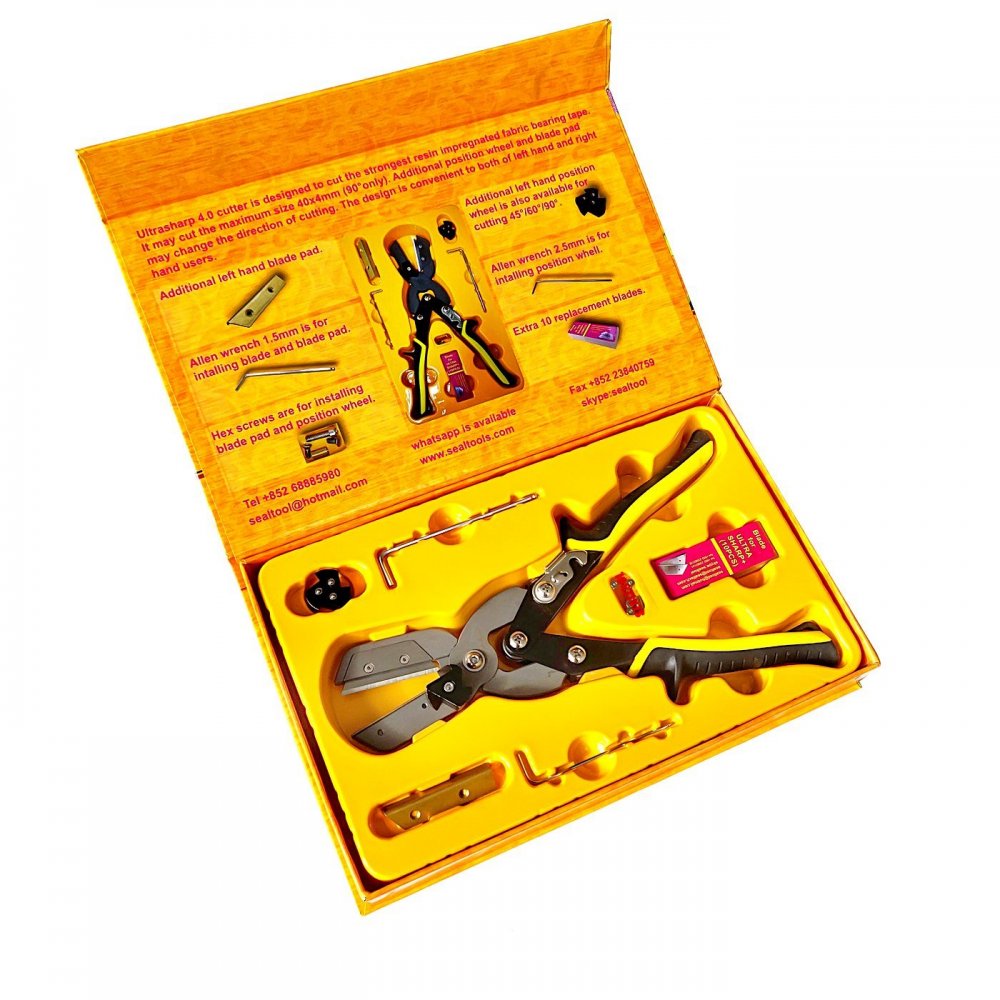 ULTRASHARP 4.0
- Code
- 48003255
- In stock
- 3pcs
- Price excl. VAT
- €88.50/ pcs
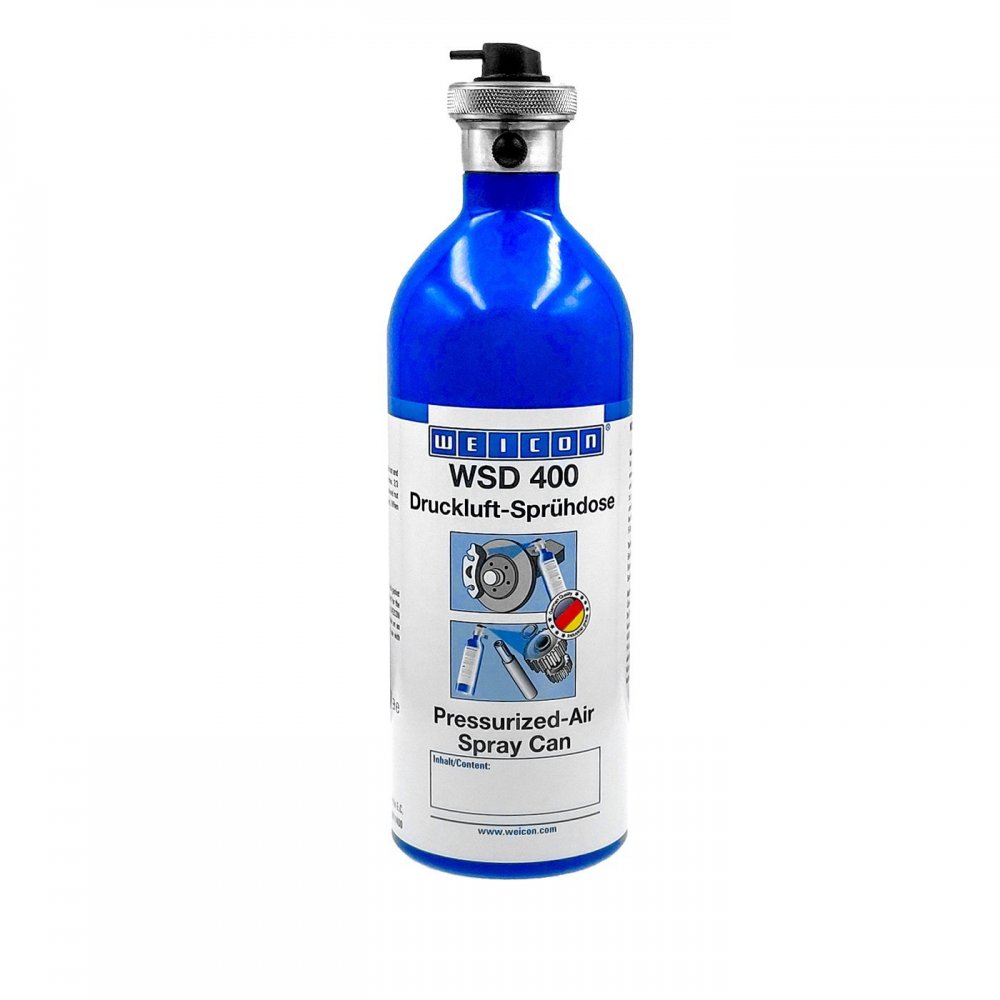 Pressurized-Air Spray Can WEICON WSD400
- Code
- 10009301
- In stock
- 15pcs
- Price excl. VAT
- €34.62/ pcs
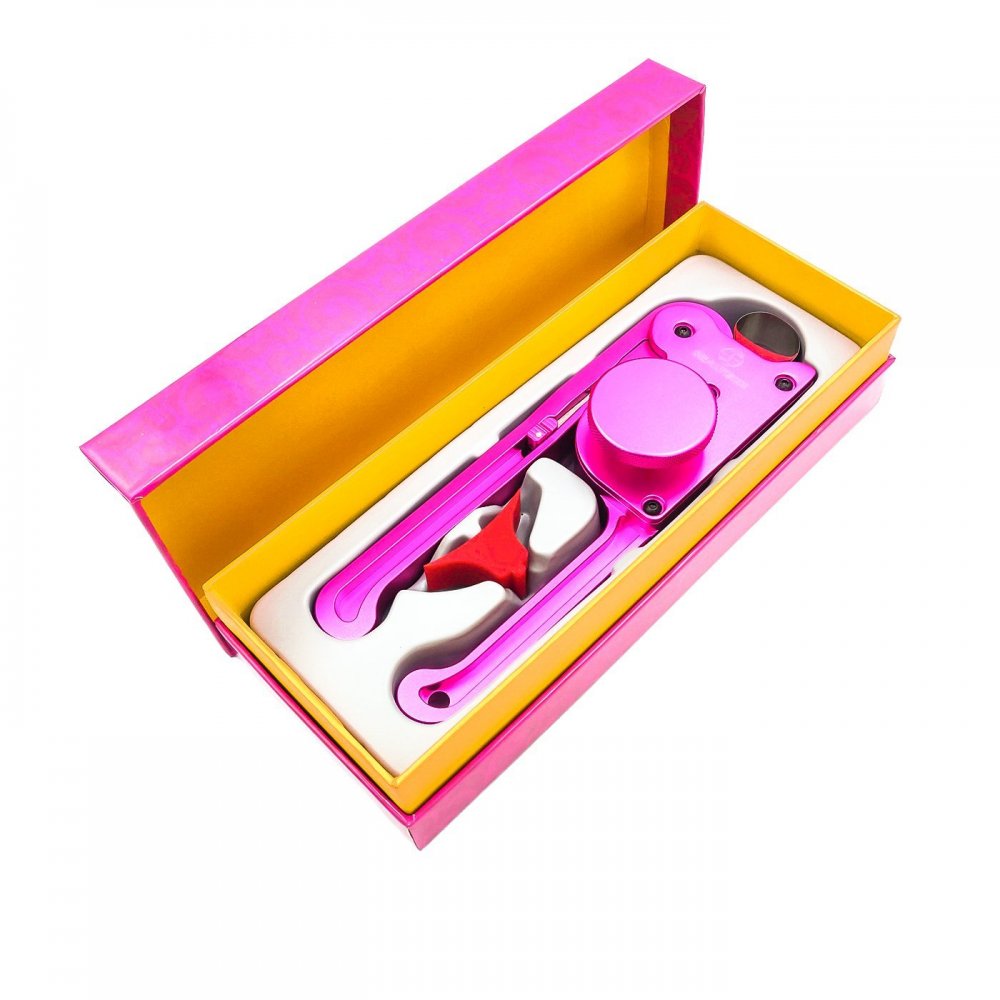 Seal clasper
- Code
- 48003739
- In stock
- 15pcs
- Price excl. VAT
- €195.96/ pcs
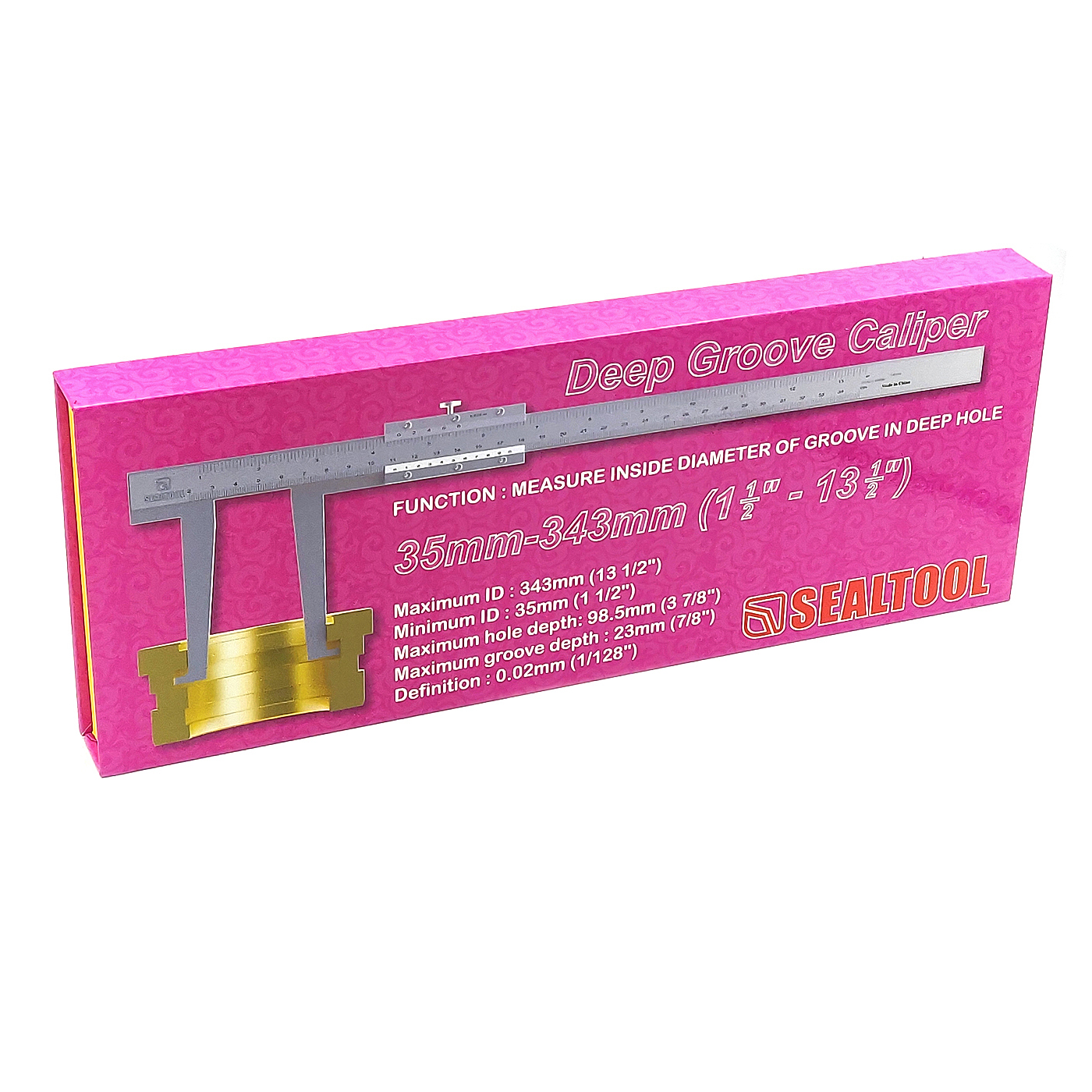 Large inner groove caliper
- Code
- 48003570
- In stock
- On request
- Price excl. VAT
- On request
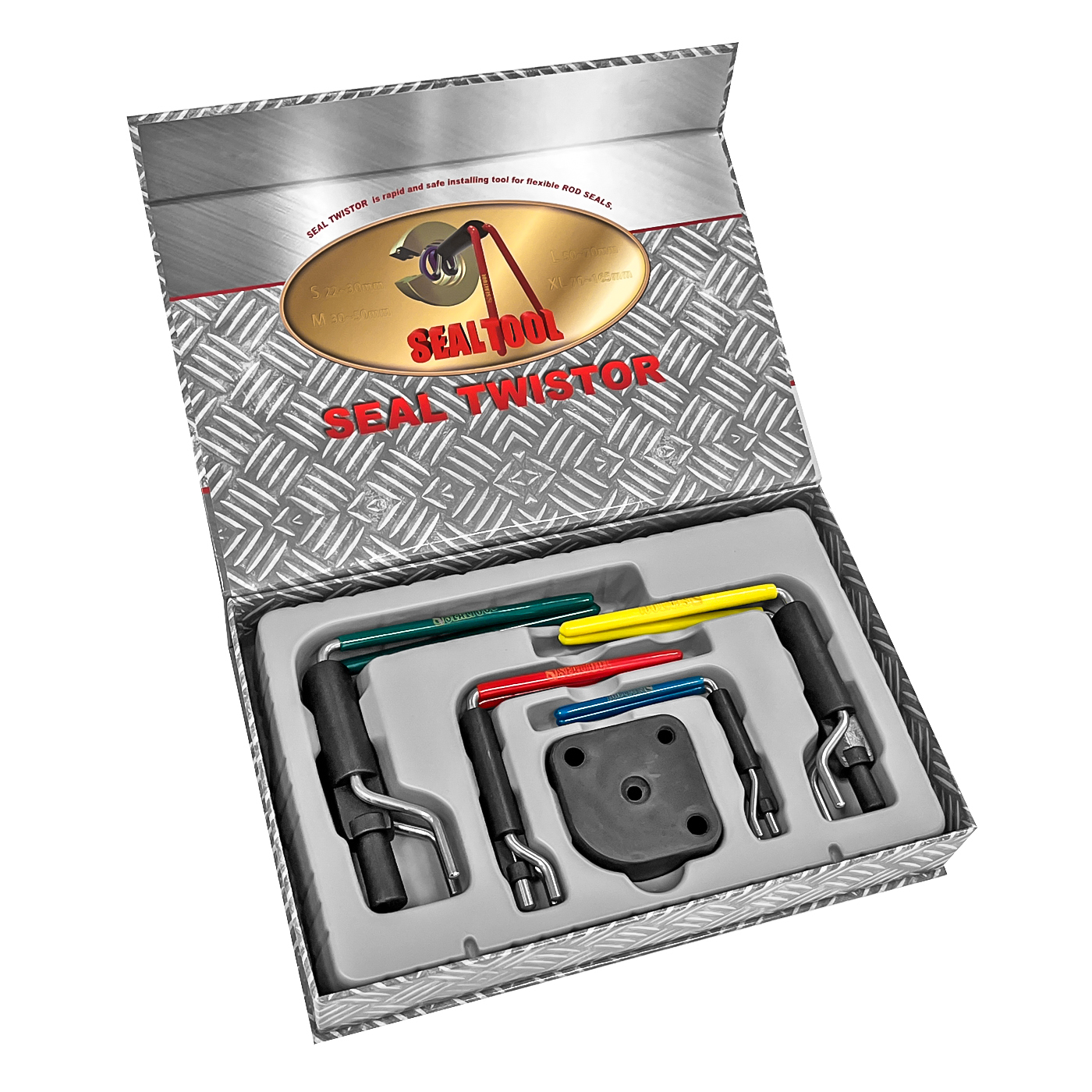 Seal twistors set
- Code
- 48003242
- In stock
- 43pcs
- Price excl. VAT
- €79.00/ pcs
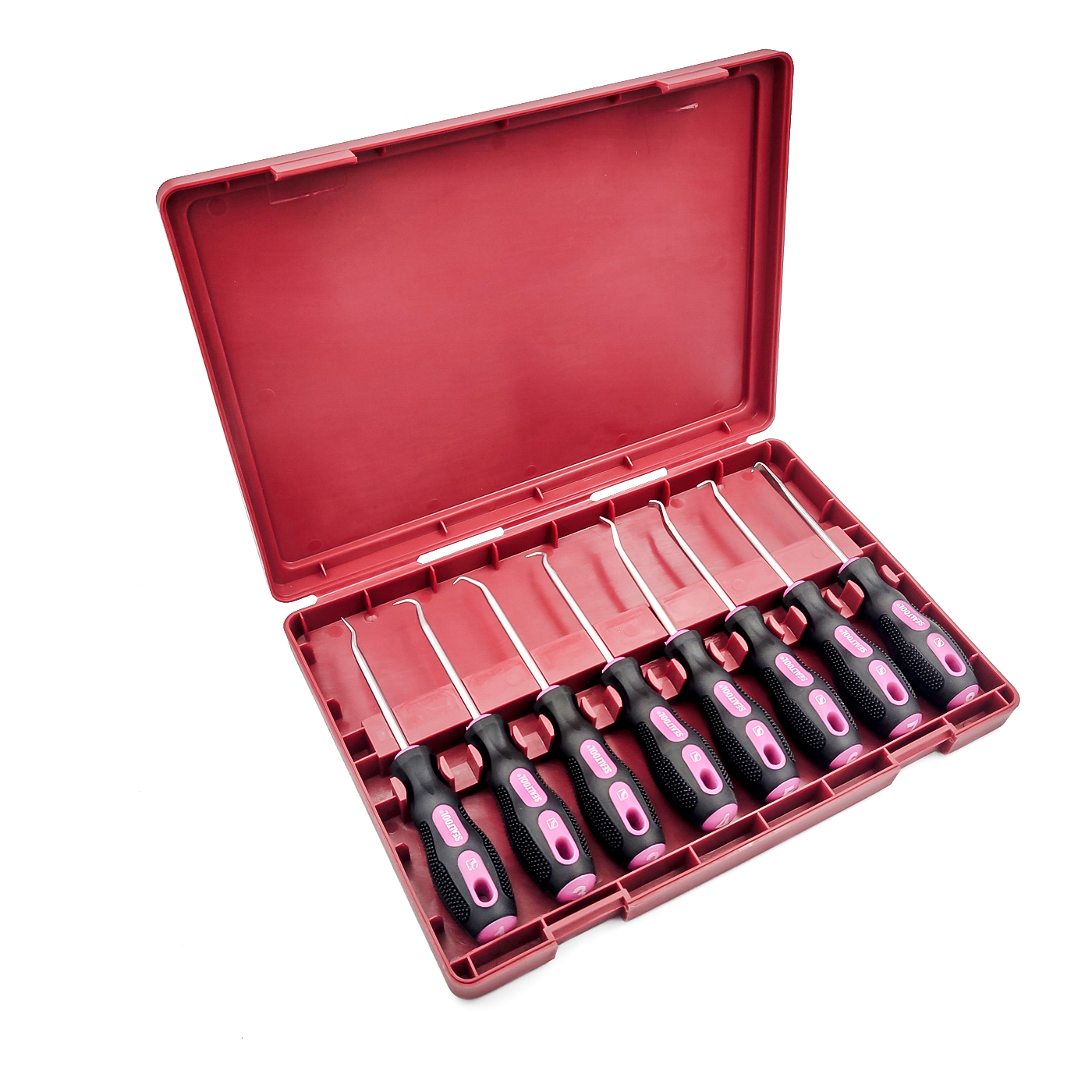 Seal hook set
- Code
- 48003740
- In stock
- 24pcs
- Price excl. VAT
- €41.15/ pcs
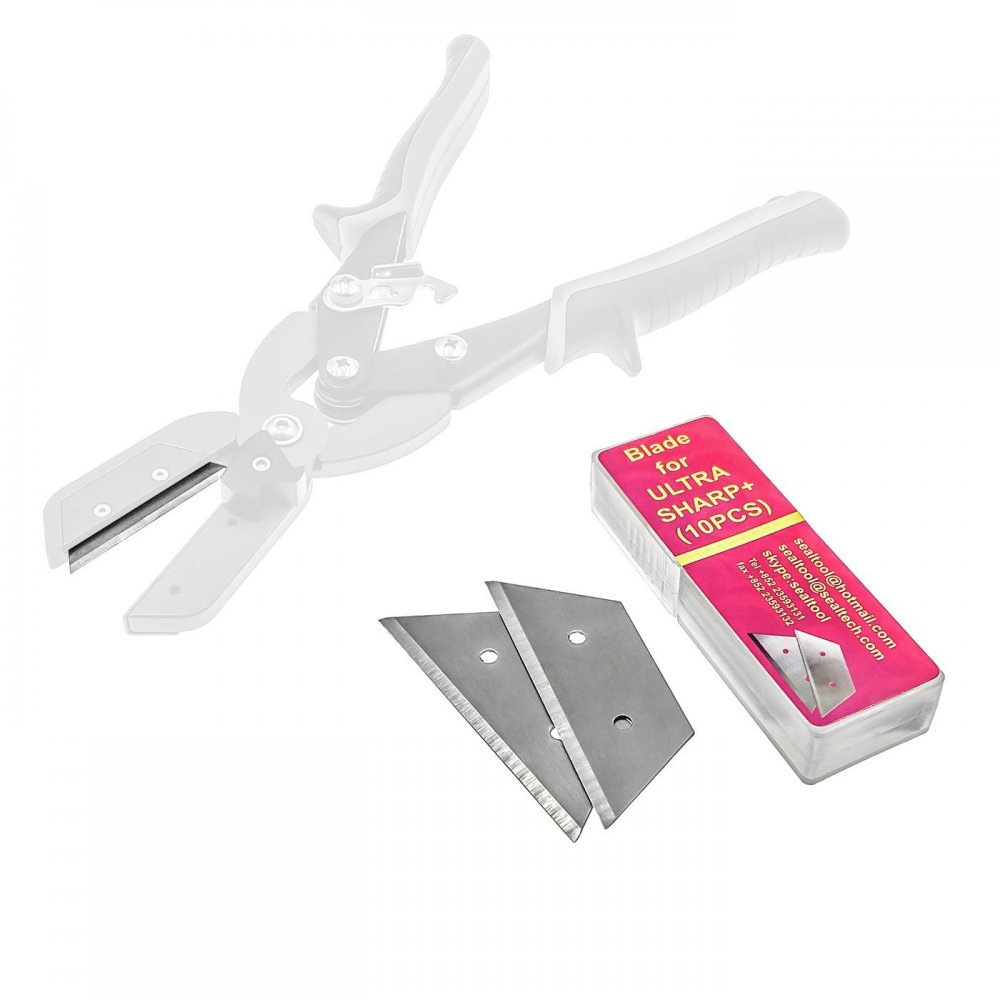 Spare blades for ULTRASHARP scissors (10 pcs.)
- Code
- 48004796
- In stock
- 6pcs
- Price excl. VAT
- €15.99/ pcs