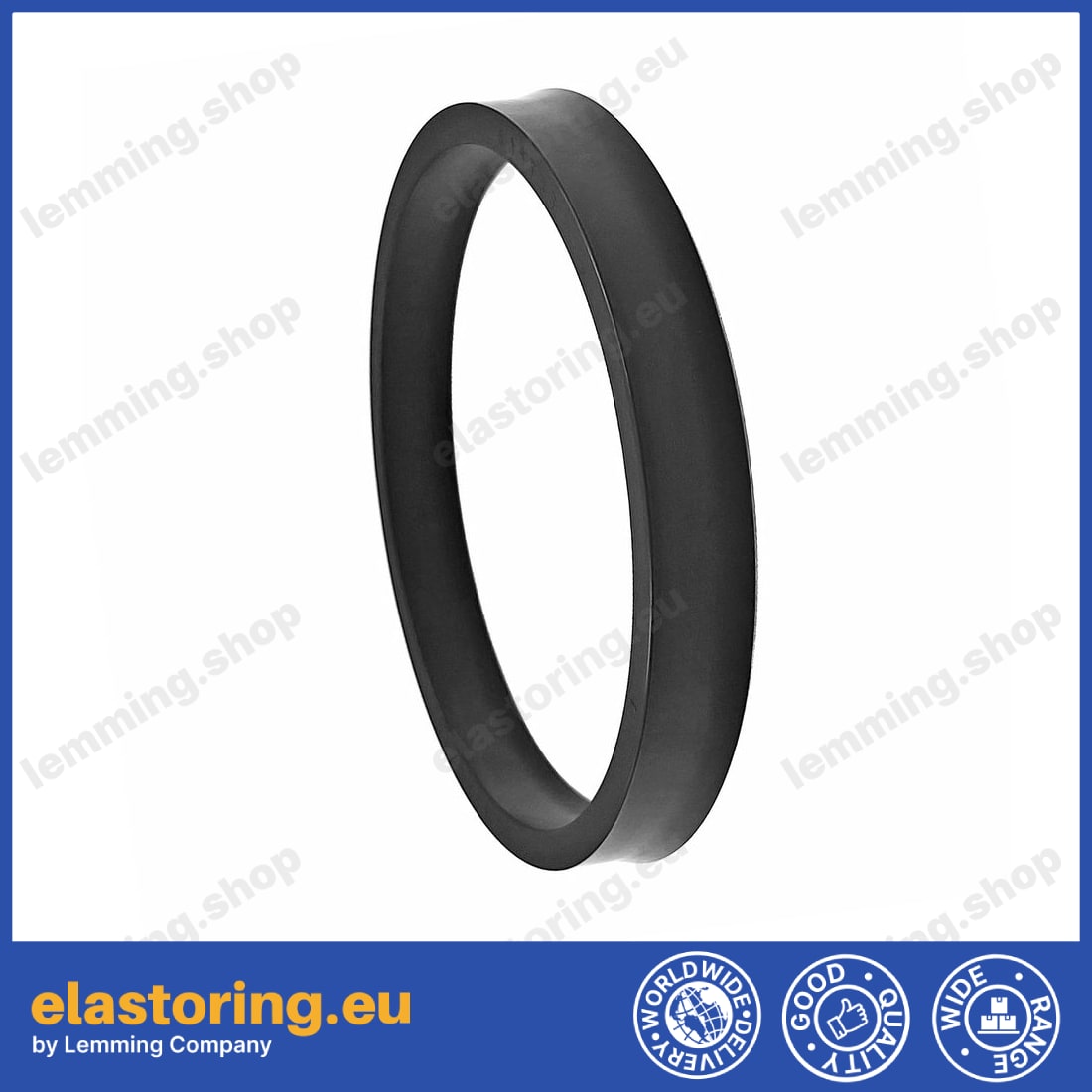
Rod seal K22 3x6x2,5 NBR
| Code | K22-003/2 NBR | |
|---|---|---|
| Availability | On request |
Technical data
| Seal type | K22 | |
|---|---|---|
| Material type | NBR | |
| Brand | Kastas | |
| Weight | 1 | g |
| Rod diameter d | 3 | mm |
|---|---|---|
| Groove Diameter D | 6 | mm |
| Seal width h | 2,5 | mm |
Documents
- Kastas K22 - cataloguepdf fileDownload
Description
Hydraulic gland seal type K22 - single-acting seal. Also called a "lip seal". It has lips that differ in shape and size. The inner (dynamic) lip is shorter than the outer (static) one and faces the piston rod, which gives a high sealing effect. The K22 ring is used to seal the piston rod of a hydraulic cylinder. It is made of NBR material. The dimensions d and D given in the designation correspond to the housing; that is, to select a seal, you need to measure the inner and outer diameter of the housing in which the ring is installed. The third dimension b in the designation is equal to the height of the ring. This value b should always be smaller than the groove width B. This clearance is necessary for the seal to work properly. The difference B-b for cups with a height of up to 4,76 mm is 0,5 mm (-0 / + 0,2), for cups with a height above 4,81 mm it is 1 mm (-0 / + 0,2). This ring can be easily installed in closed grooves. Use installation tools made of soft materials without sharp edges. Lubricate the seal with hydraulic oil before installation.
Material
NBR (nitrile butadiene rubber)
- Operating temperature-30 °C to +100 °C
Good with oils, fuels, water and compressed air. Not for brake fluid, solvents, strong acids or sunlight.
| Can be used | Do not use |
|---|---|
| Mineral oil, grease and hydraulic oil (H, H-L, H-LP) | Brake fluid (DOT 3, DOT 4, DOT 5.1): the ring swells quickly |
| Diesel, fuel oil, kerosene | Sunlight and open air (ozone): the rubber cracks |
| Petrol (gasoline), propane, butane | Acetone, MEK, ethyl acetate and similar solvents |
| Water and water-based liquids, up to +80 °C | Benzene, toluene, trichloroethylene (aromatic and chlorinated solvents) |
| Compressed air, also with oil mist | Synthetic ester oils and fire-resistant fluid HFD-R |
| Water-based fire-resistant hydraulic fluids (HFA, HFB, HFC) | Strong (concentrated) acids, e.g. nitric and sulfuric, and strong oxidizers |
| Oil-and-water emulsions | Steam and hot water above +100 °C |
| Weak acids, alkalis and salt solutions, at room temperature | |
| Use with cautionPetrol with a lot of bioethanol (E10, E85): better use FKM (Viton) | |
Shows low compression set within the recommended temperature range.
We recommend: Industrial chemicals
View all
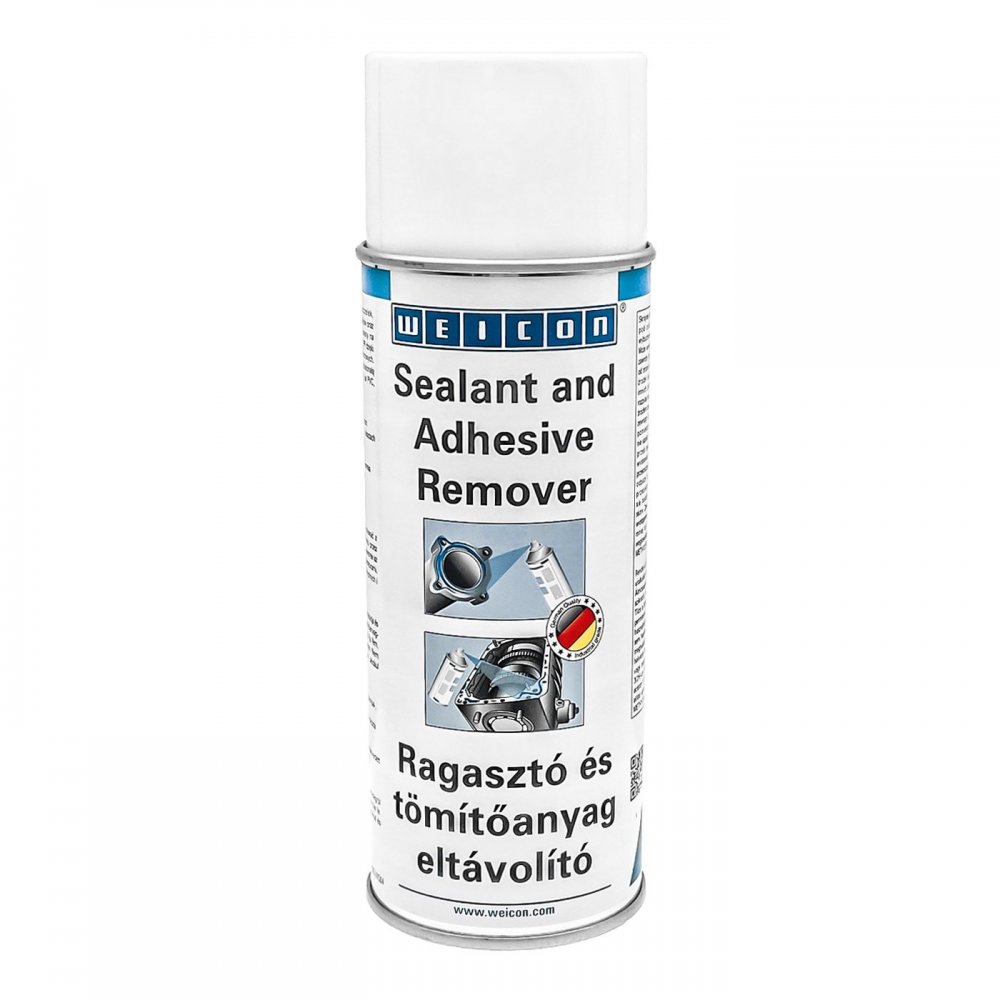 WEICON Sealant and Adhesive Remover 400ml [11202400-51]
- Code
- 10037507
- In stock
- 7pcs
- Price excl. VAT
- €9.18/ pcs
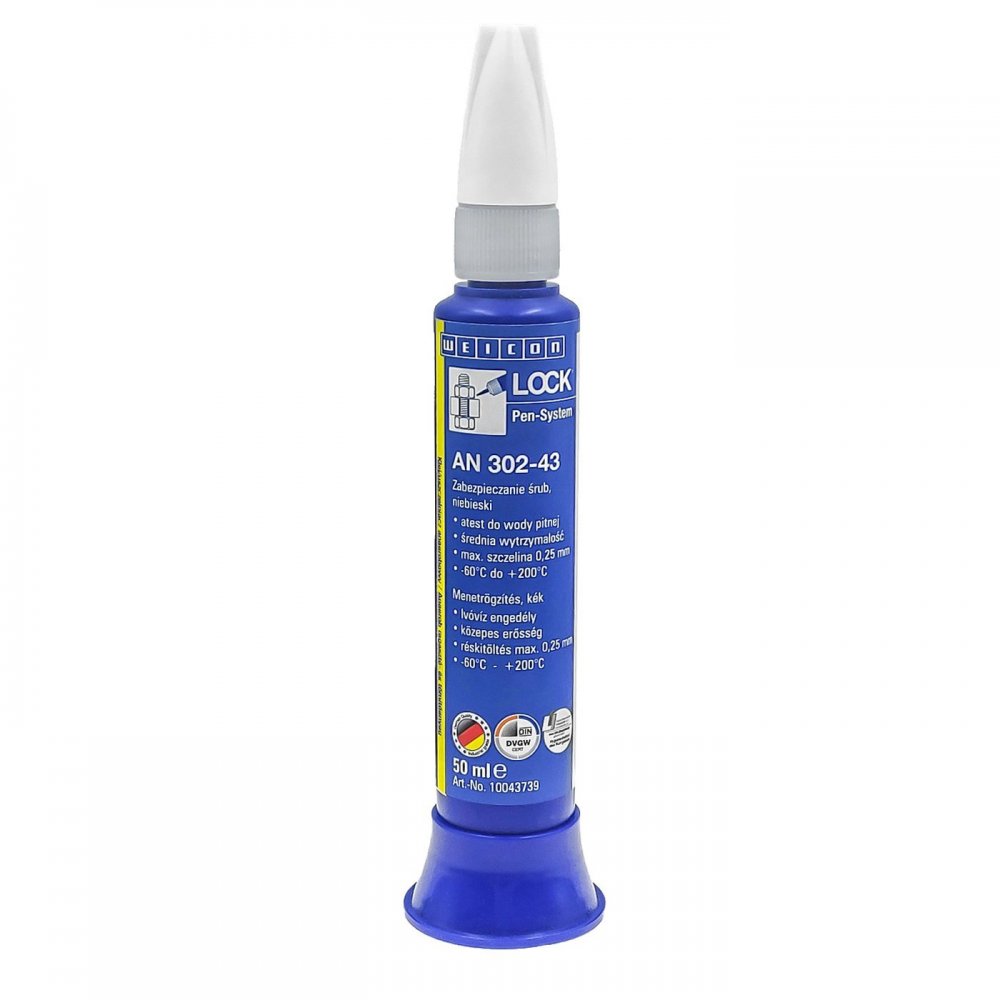 WEICONLOCK AN 302-43 thread locking agent 50 ml [30243150-51]
- Code
- 10043739
- In stock
- 7pcs
- Price excl. VAT
- €23.15/ pcs
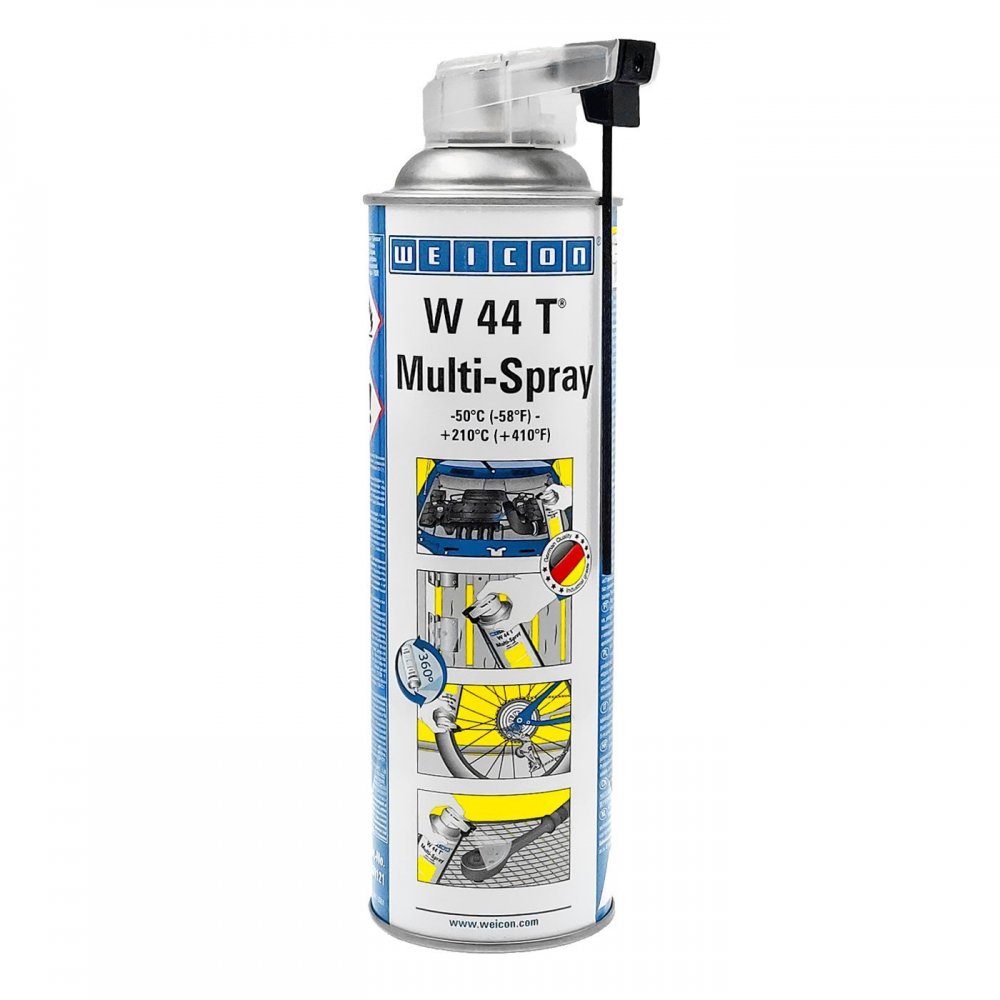 Multi-Spray WEICON W 44 T 500 ml
- Code
- 10039121
- In stock
- 104pcs
- Price excl. VAT
- €6.81/ pcs
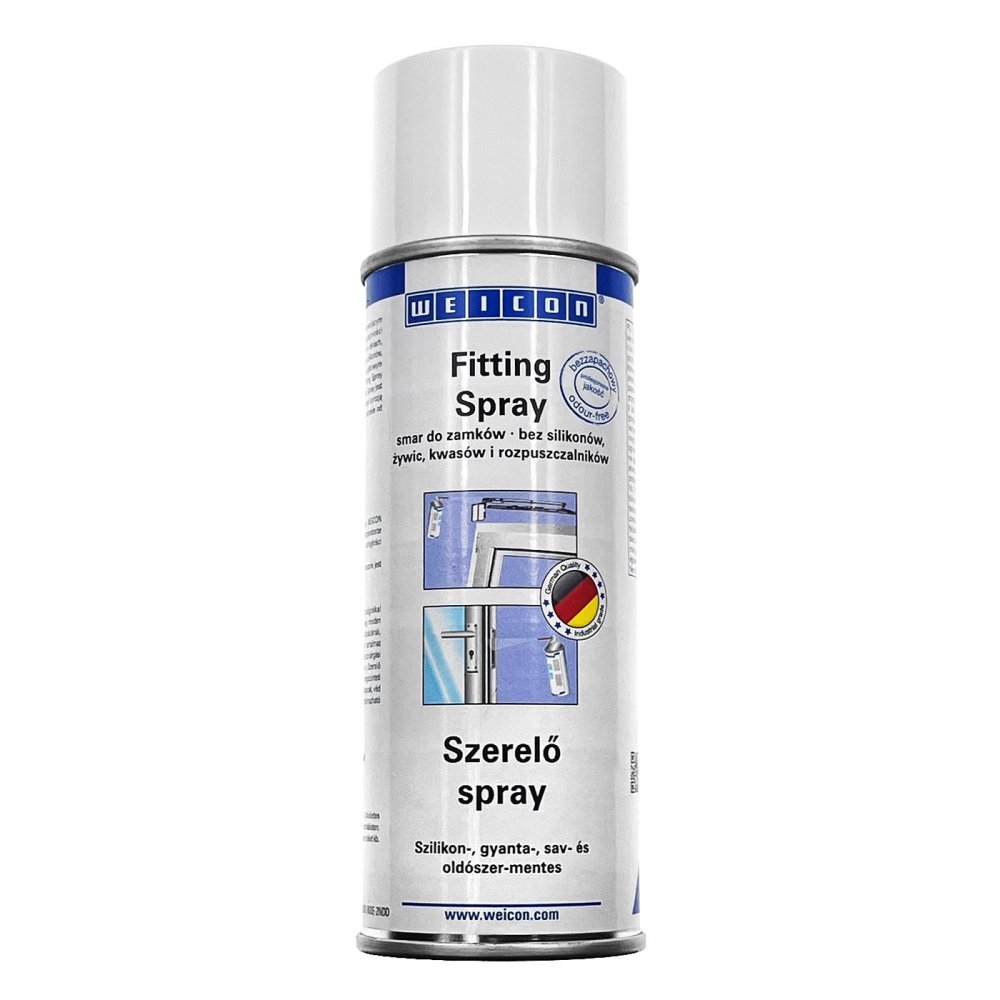 WEICON Fitting Spray 200 ml
- Code
- 10037560
- In stock
- 8pcs
- Price excl. VAT
- €10.61/ pcs
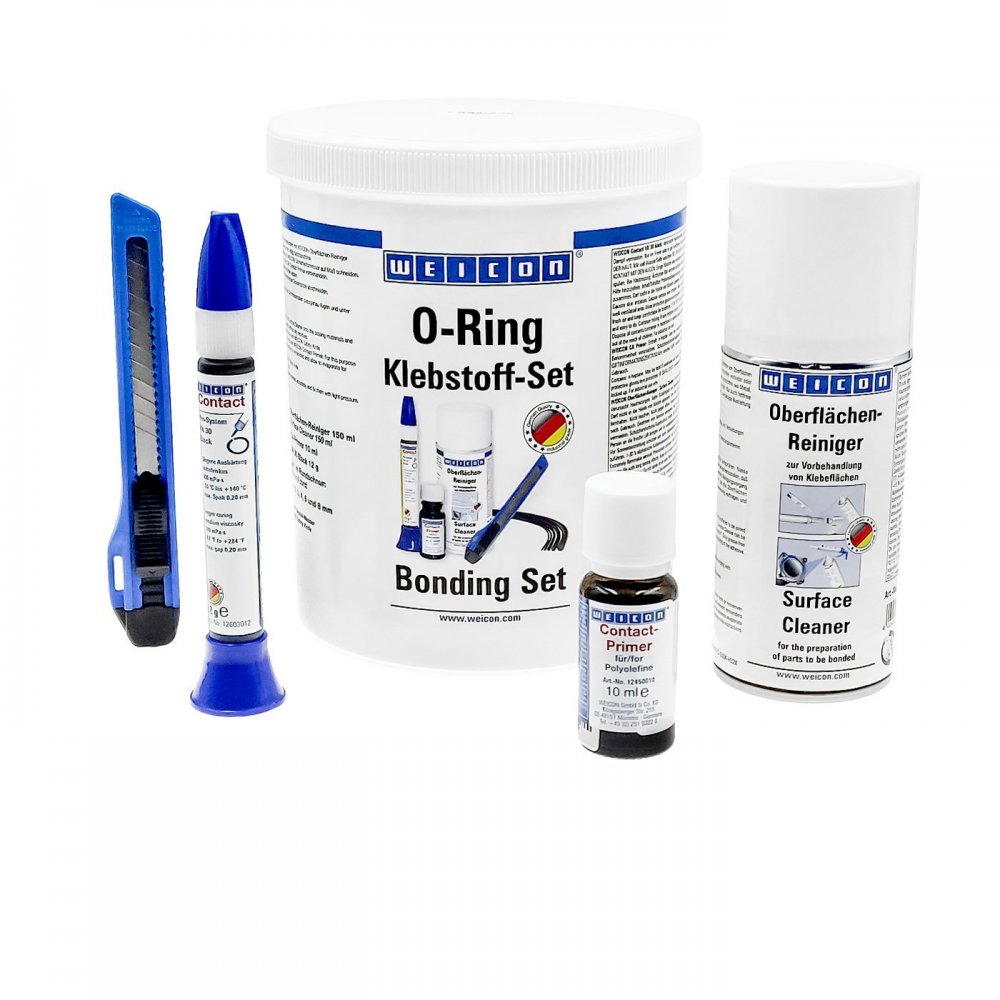 WEICON O-Ring Bonding Set [12508030]
- Code
- 10034766
- In stock
- 3pcs
- Price excl. VAT
- €35.94/ pcs
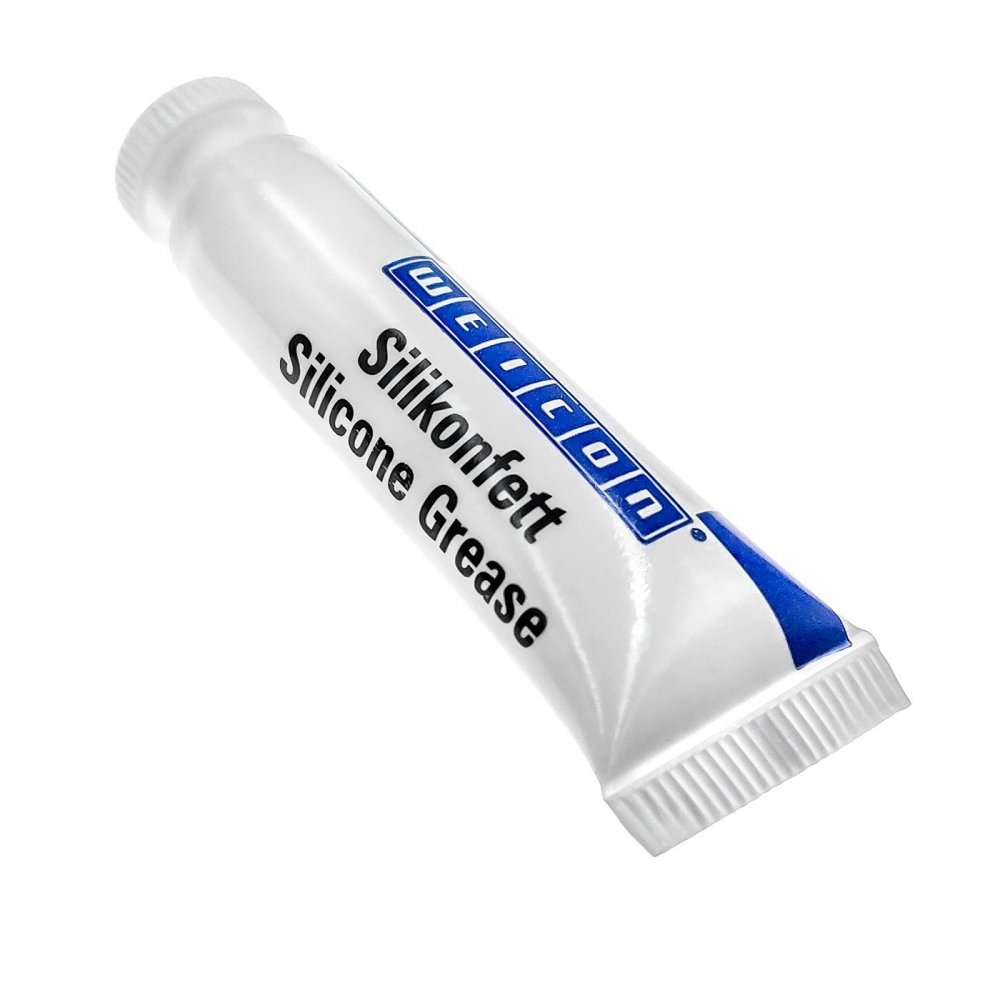 Weicon Silicone grease 5g
- Code
- 10053151
- In stock
- On request
- Price excl. VAT
- On request
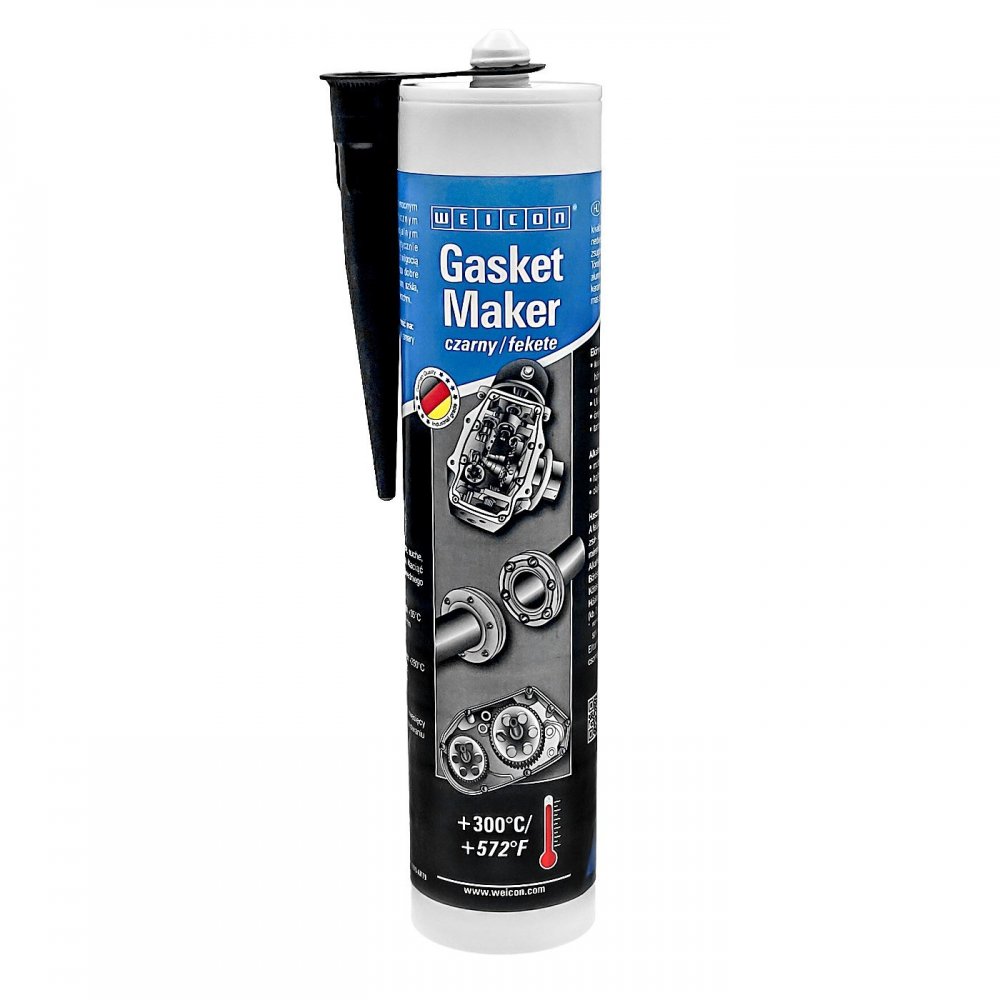 Gasket Maker flexible special sealant [30101310-51]
- Code
- 10052667
- In stock
- 32pcs
- Price excl. VAT
- €15.47/ pcs
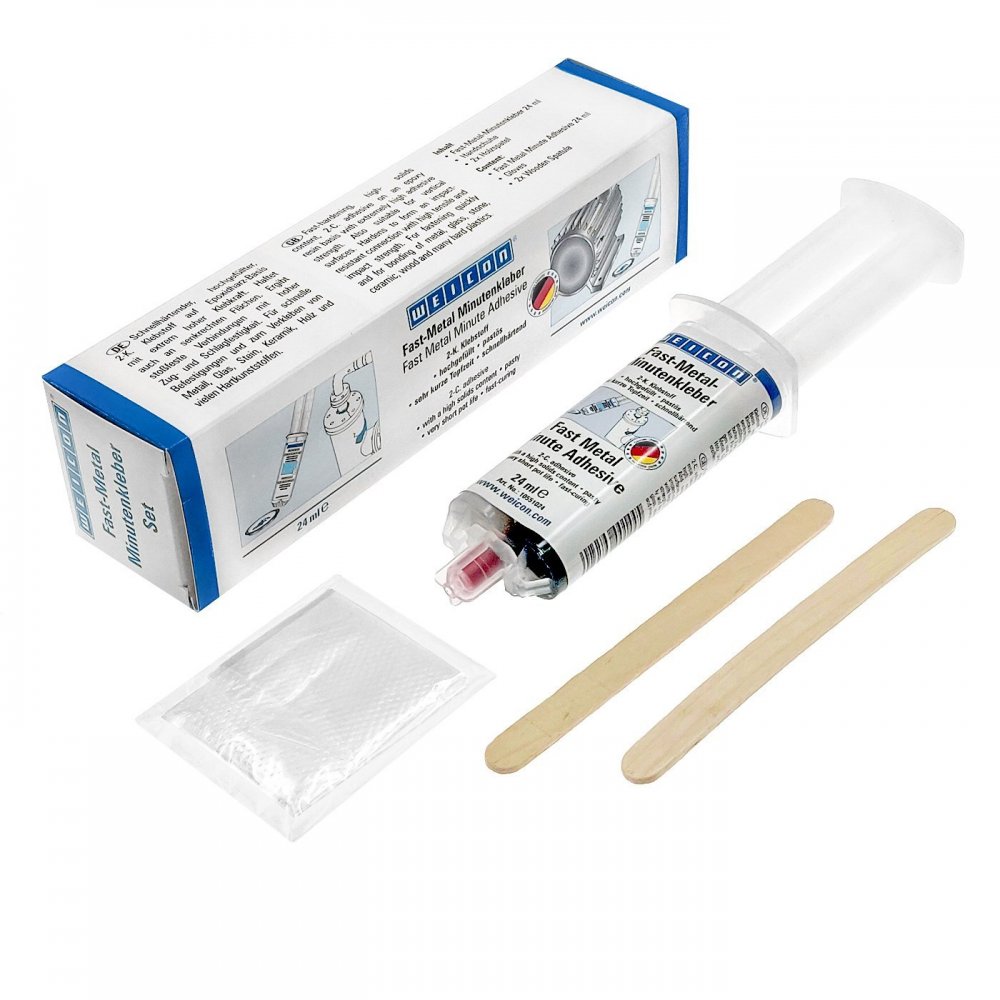 Weicon epoxy glue application kit [10551025]
- Code
- 10058777
- In stock
- 8pcs
- Price excl. VAT
- €11.38/ pcs
We recommend: Tools
View all
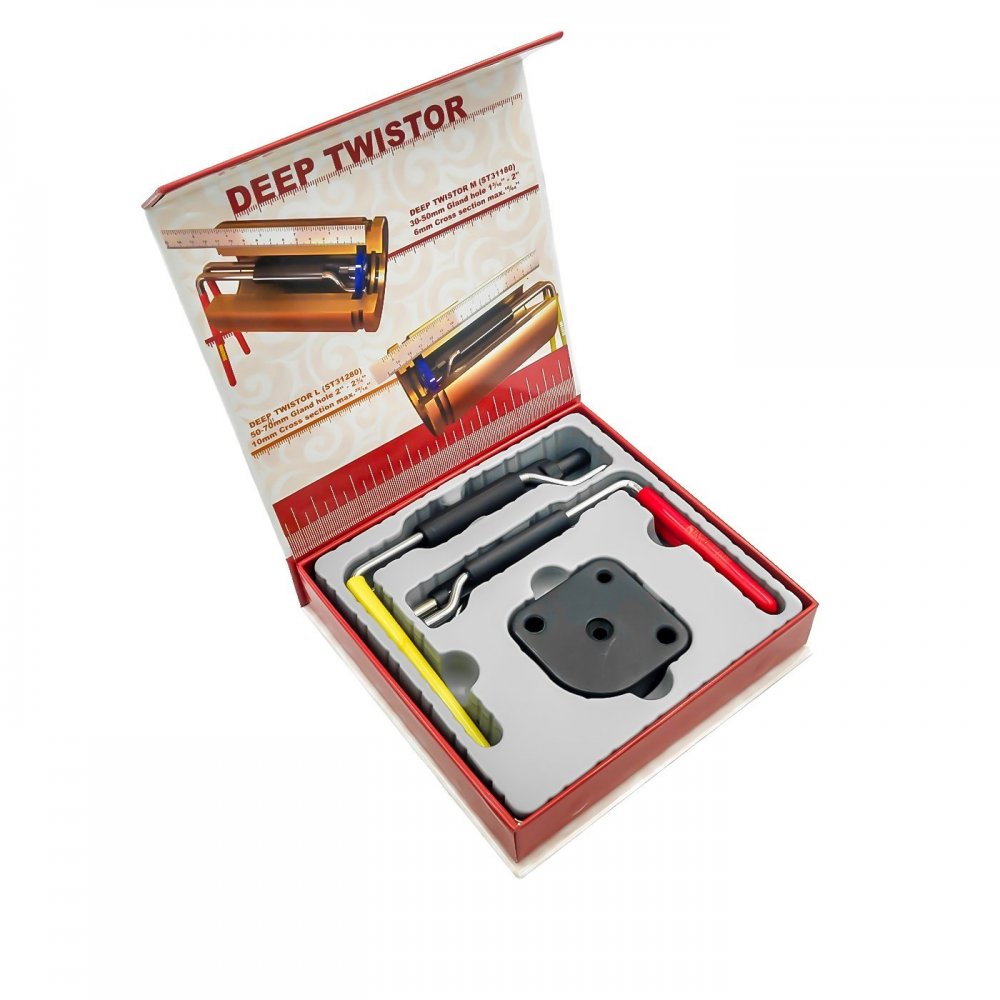 Deep seal twistor set
- Code
- 48003373
- In stock
- On request
- Price excl. VAT
- On request
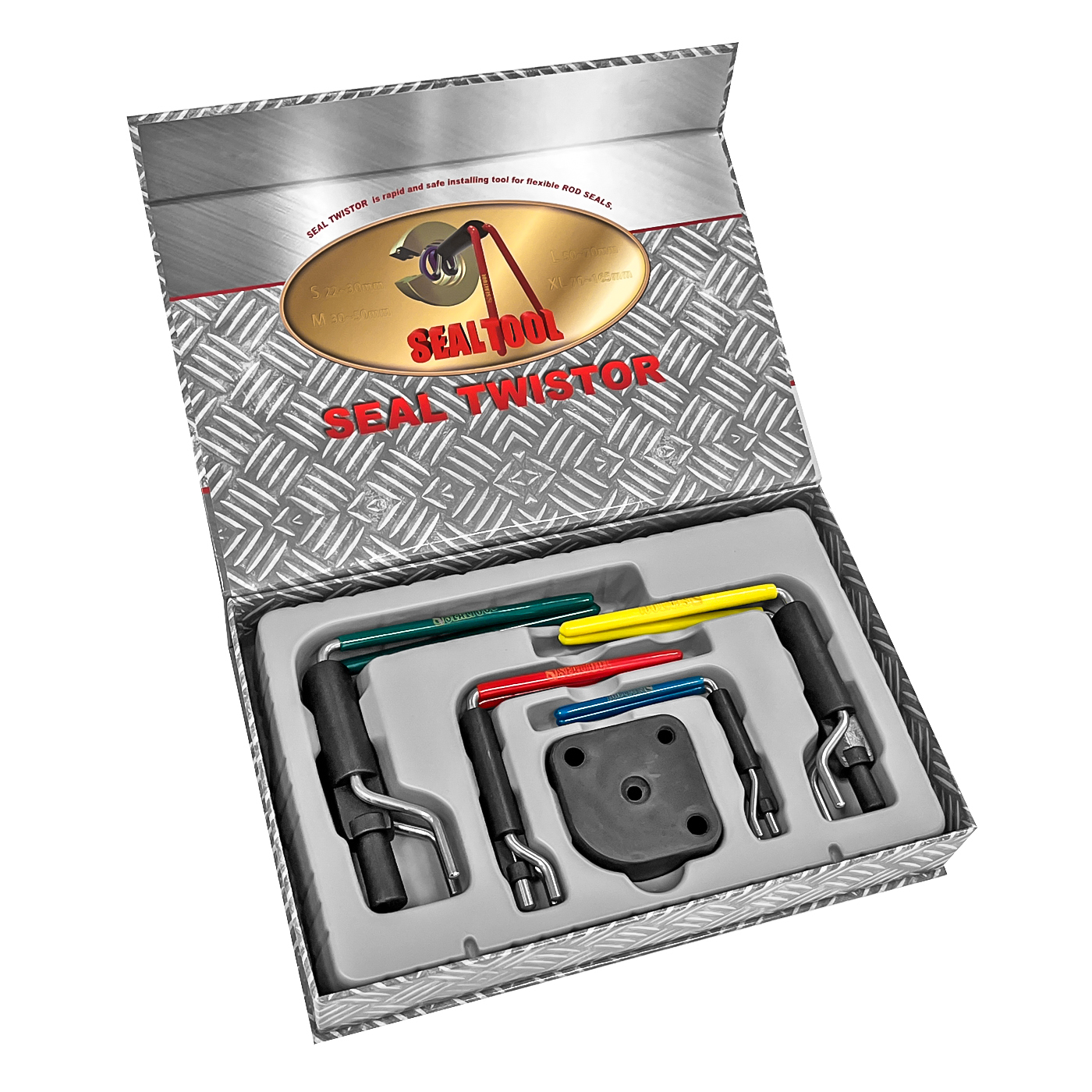 Seal twistors set
- Code
- 48003242
- In stock
- 43pcs
- Price excl. VAT
- €79.00/ pcs
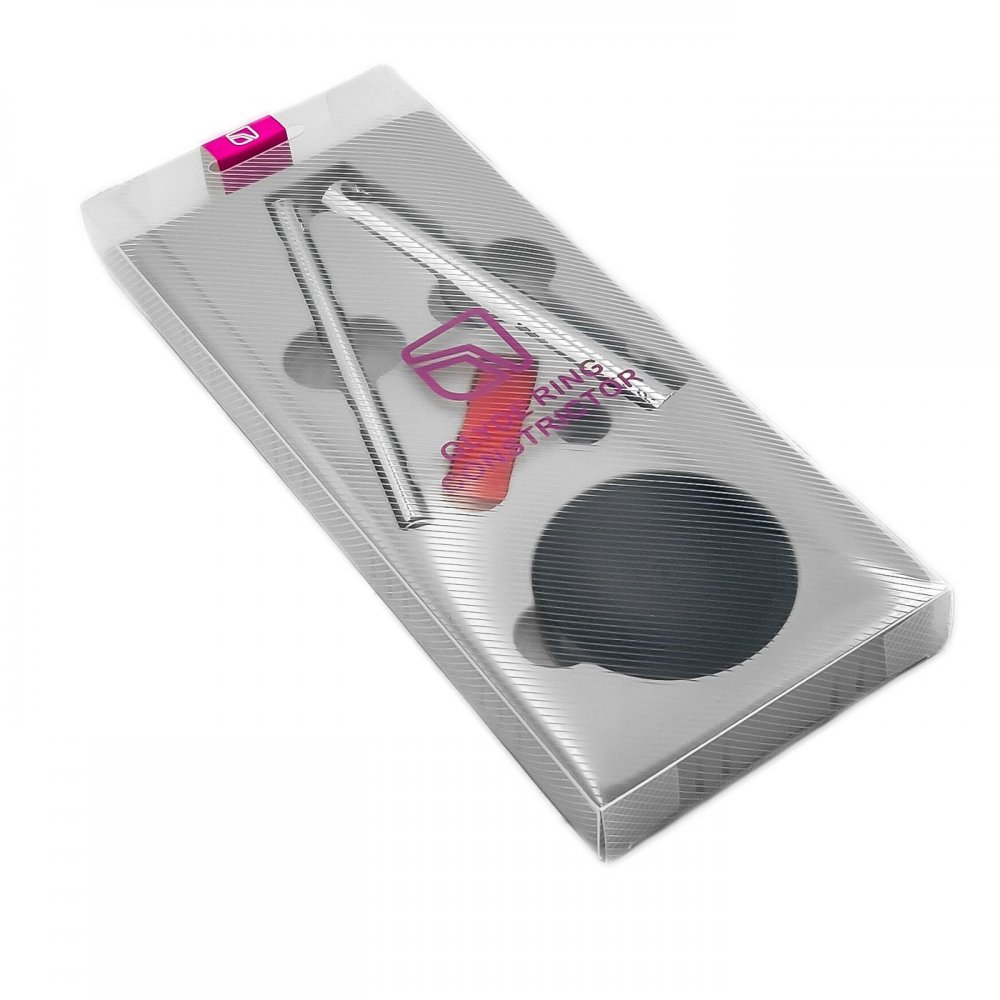 Piston Seal Constrictor [CALIBRATING TOOL FOR E/GR(800)]
- Code
- 48003370
- In stock
- 2pcs
- Price excl. VAT
- €20.85/ pcs
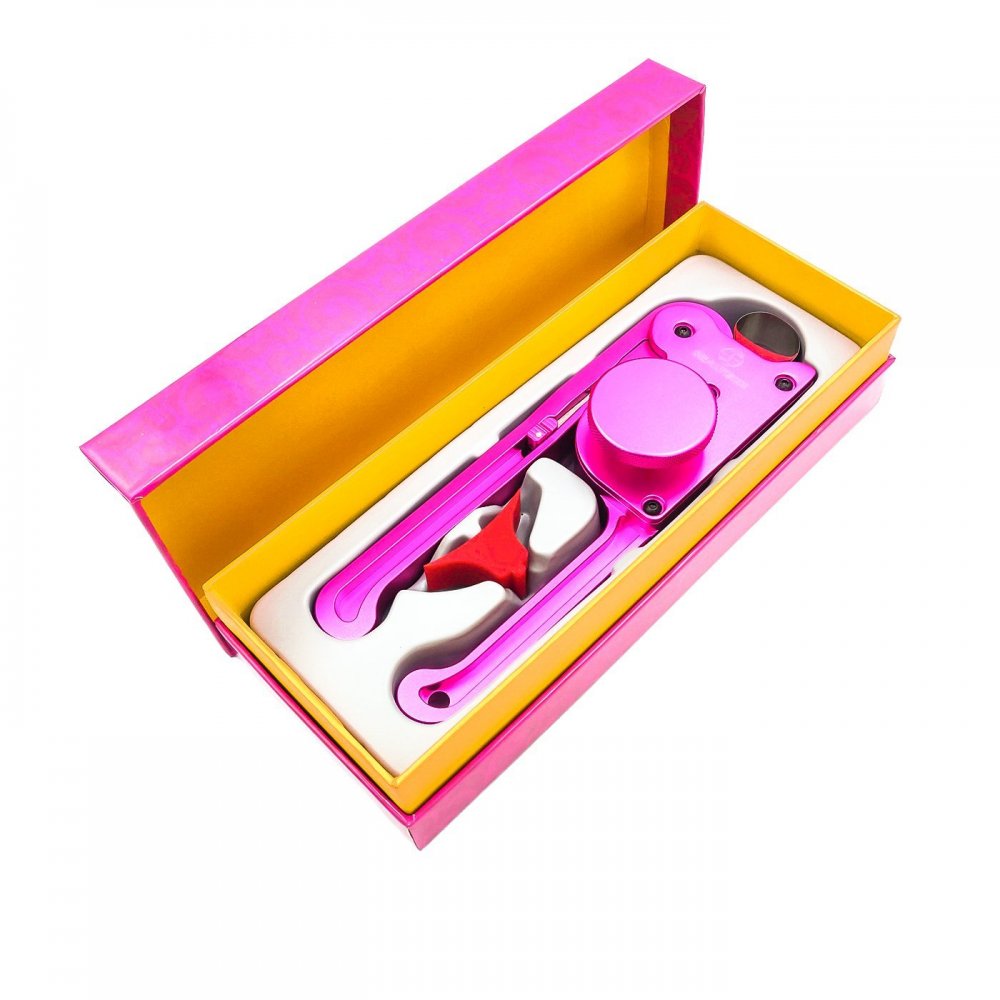 Seal clasper
- Code
- 48003739
- In stock
- 15pcs
- Price excl. VAT
- €195.96/ pcs
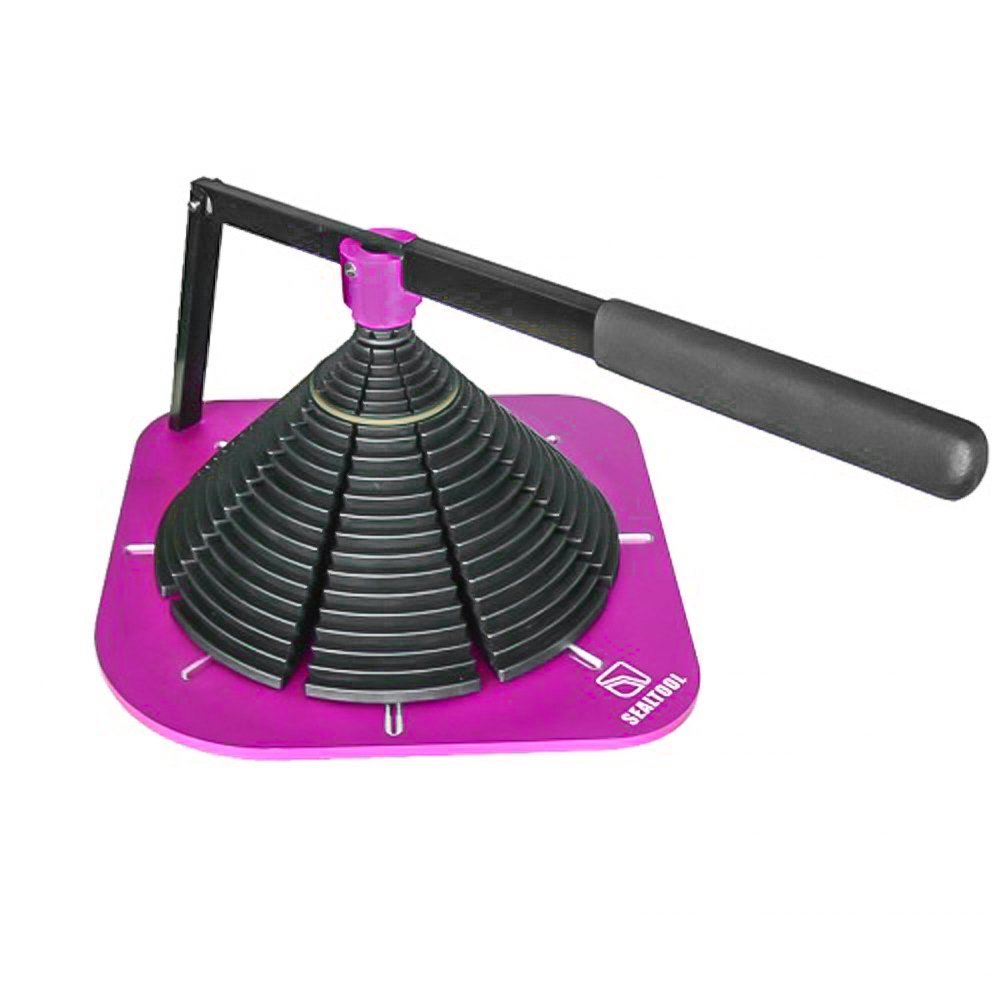 Seal stretcher [o40MM-250MM]
- Code
- 48003371
- In stock
- 3pcs
- Price excl. VAT
- €272.19/ pcs
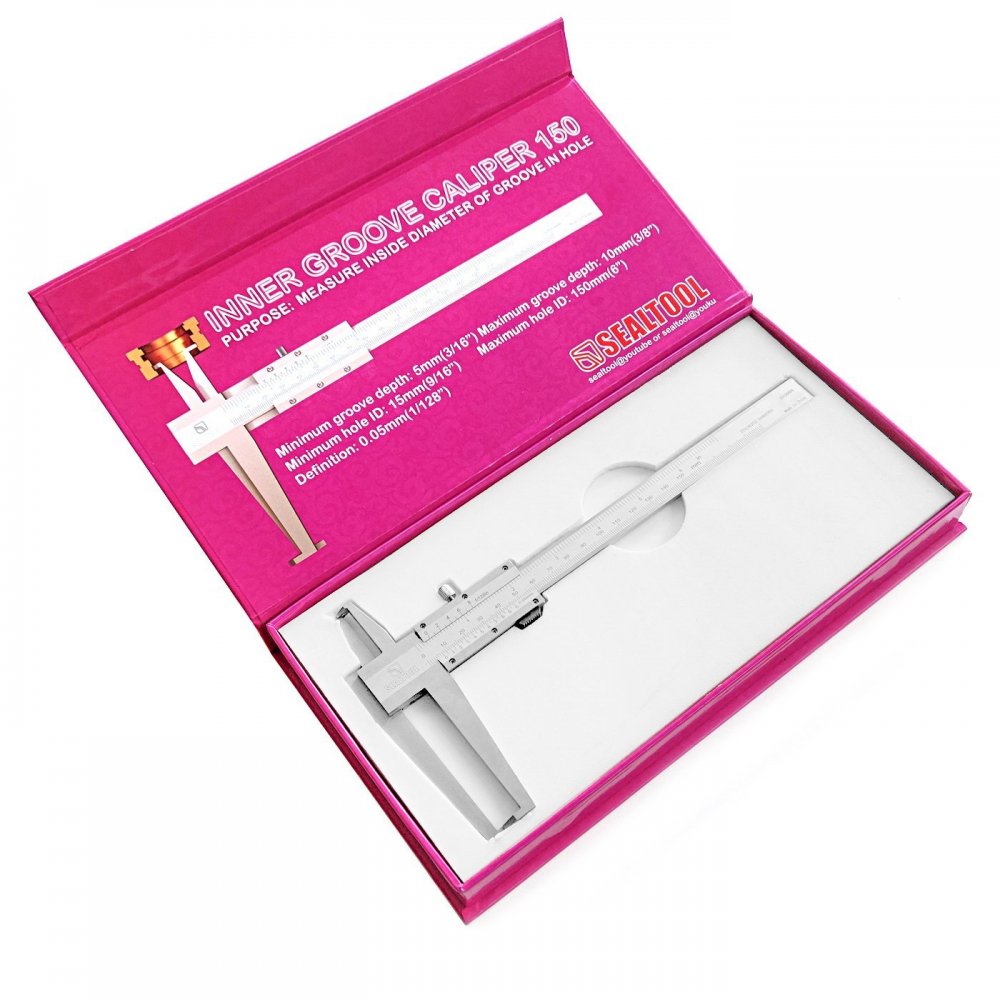 Inner groove caliper
- Code
- 48003254
- In stock
- 1pcs
- Price excl. VAT
- €136.70/ pcs
 Spare blades for ULTRASHARP scissors (10 pcs.)
- Code
- 48004796
- In stock
- 6pcs
- Price excl. VAT
- €15.99/ pcs
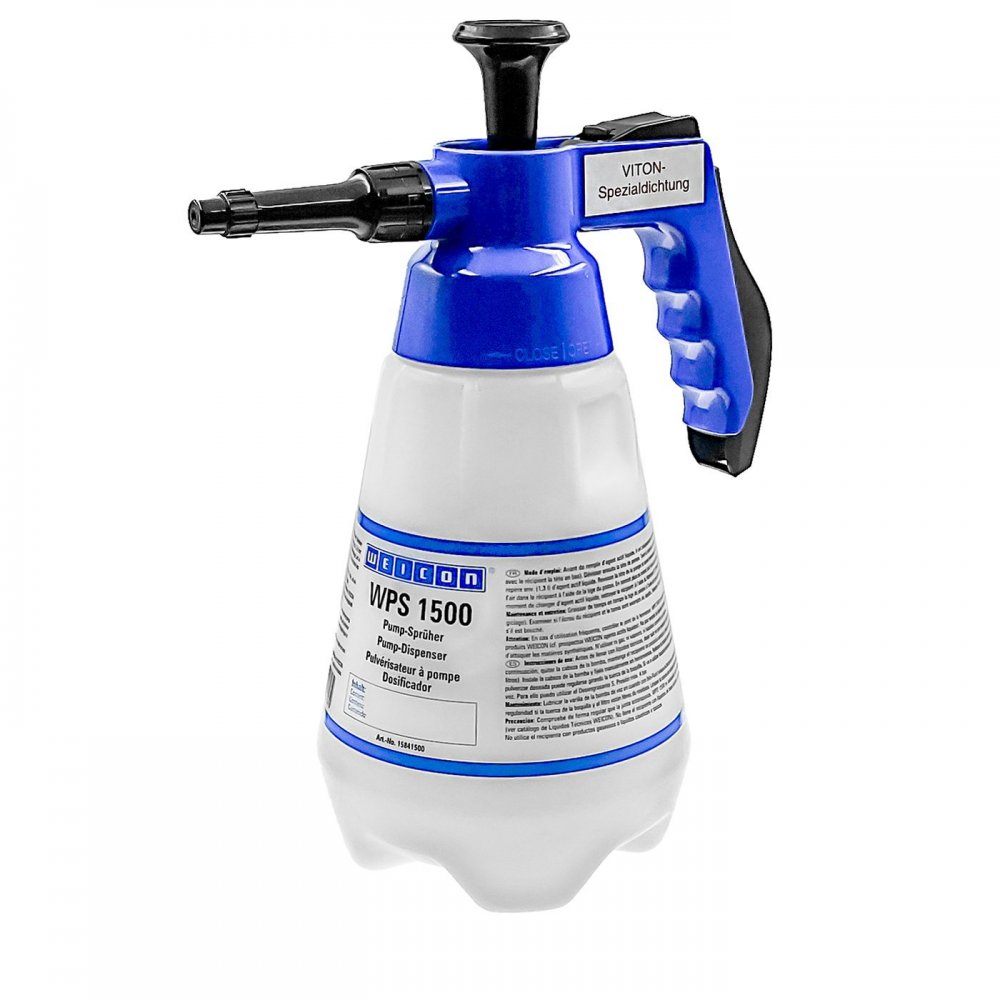 Pump-dispenser WEICON WPS1500
- Code
- 10016002
- In stock
- 4pcs
- Price excl. VAT
- €36.86/ pcs