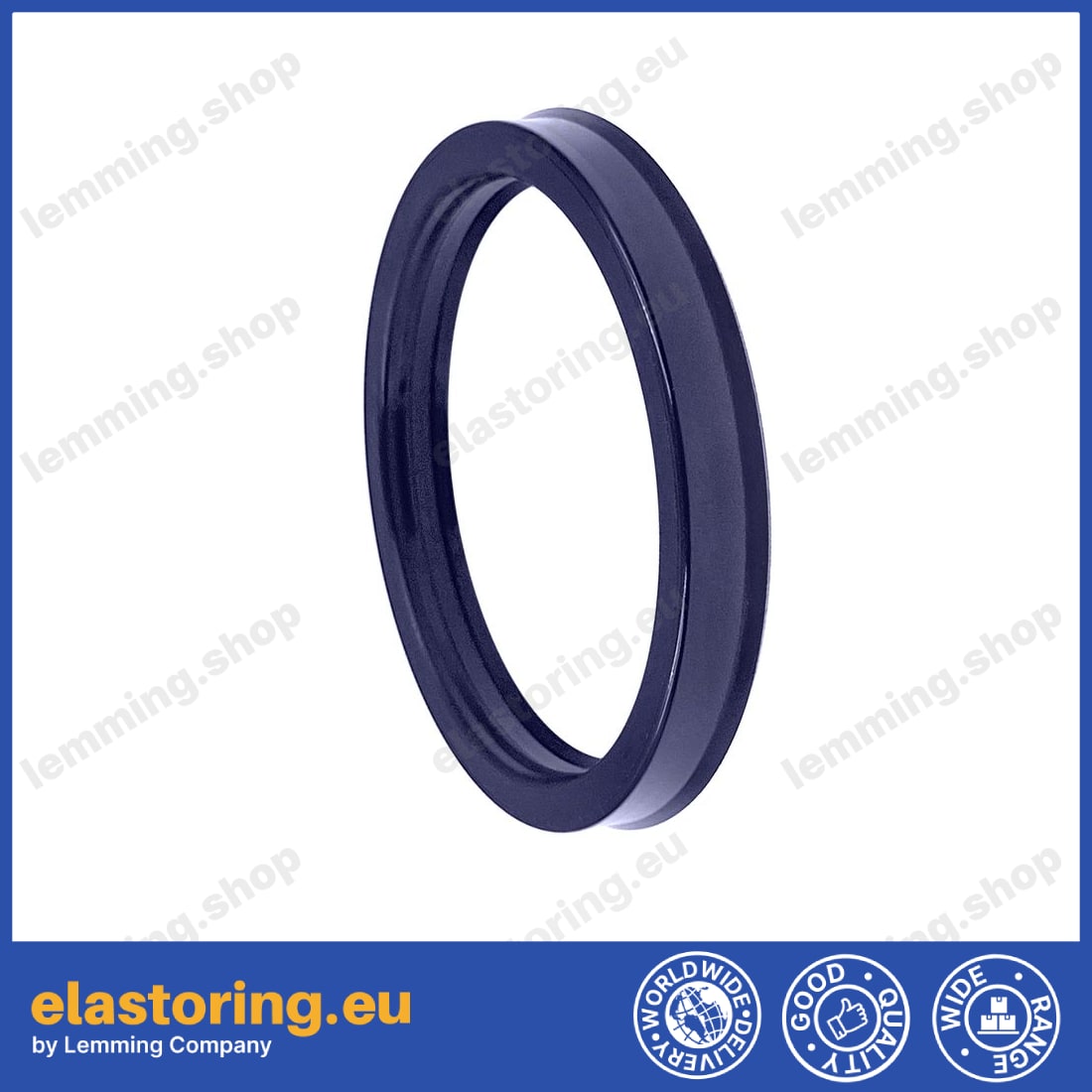
Rod seal RSD 25x32x4 PU
| Code | RSD 0250 0320 040 C0 | |
|---|---|---|
| In stock | 71 | pcs |
| Priceexcl. VAT | From €2.03 | /pcs |
Price by quantityexcl. VAT
Similar
StockCode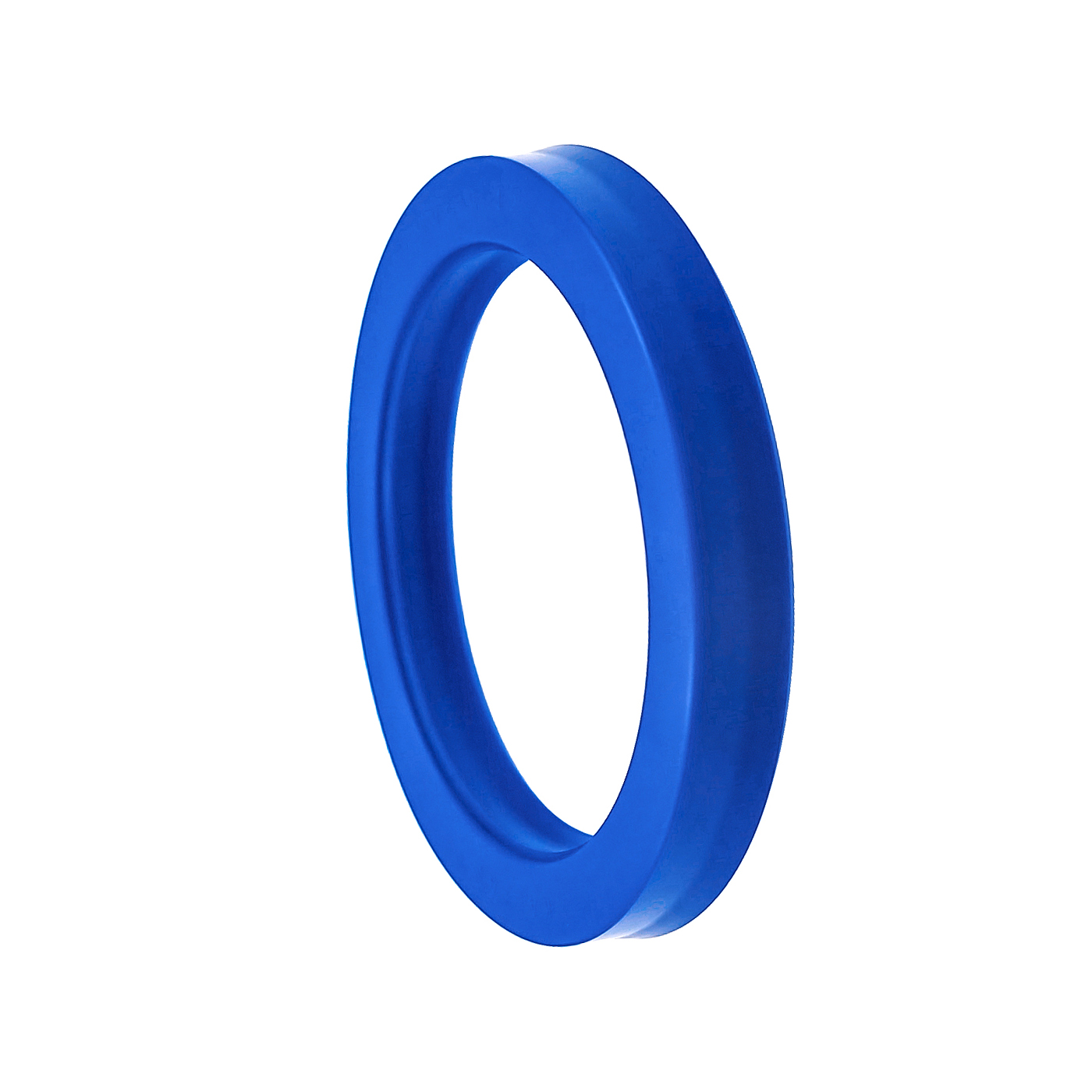
Technical data
| Seal type | RSD | |
|---|---|---|
| Material type | PU | |
| Material code | C0 | |
| Foreign code | 2ERSD775 | |
| Brand | Artic seals | |
| Weight | 1 | g |
| Rod diameter d | 25 | mm |
|---|---|---|
| Groove Diameter D | 32 | mm |
| Seal width h | 4 | mm |
Documents
- Artic RSD - cataloguepdf fileDownload
Description
The RSD-type gland seal from the renowned Italian manufacturer Artic Seals is a double-lip ring of size 25x32x4, made of polyurethane C0 (based on polyester-caprolactam). This is a product with manufacturer code [2ERSD775], intended for use in hydraulic cylinders. Thanks to the elasticity of the material, both lips are pressed against the mating surface. The additional lip stabilises the seal and protects it against external contamination. The design prevents the stick-slip effect and supports sealing performance at low temperatures. Technical data: Working pressure: up to 400 bar Linear speed: up to 0,5 m/s Hardness: 93 Shore A ±2 Material: polyurethane C0 with high abrasion resistance and low compression set By choosing the RSD-type gland seal, you get a product with high abrasion resistance and low compression set, which translates into a long service life and reliability in various operating conditions.
Material
PU / TPU / H-PU (polyurethane)
- Standard PU / TPU-30 °C to +80 °C
Best for high pressure and abrasion, in mineral hydraulic oil. Standard PU must never meet hot water, steam or brake fluid, or run hotter than +90 °C.
| Can be used | Do not use |
|---|---|
| Extreme pressure and pulsation (up to 40-50 MPa, very resistant to extrusion into the gap) | Hot water and steam with standard PU: hydrolysis, it breaks down into powder |
| Abrasion, friction, cutting and tearing (4-5 times tougher than NBR) | Glycol brake fluid (DOT 3, DOT 4, DOT 5.1): swells quickly |
| Mineral hydraulic oil (HL, HLP) and grease | High temperatures above +90 to +100 °C with standard TPU: it softens |
| Fuel oil, diesel and technical oils (aliphatic hydrocarbons) | Strong (concentrated) acids and alkalis: sulfuric, nitric, caustic soda |
| Ozone, weather and sunlight (does not crack from weather) | Acetone, MEK, toluene, benzene, dichloromethane (polar and aromatic solvents) |
| Water-based fire-resistant fluids HFA, HFB (only special H-PU) | Synthetic ester oils and fire-resistant fluid HFD-R |
| Dry compressed air and technical gases | Strong alcohols (methanol, ethanol): swelling |
Water and heat destroy standard PU: above +50 to +60 °C in water or damp oil it turns into a sticky paste or crumbles. If the system contains water or an emulsion, use only H-PU (hydrolysis-resistant).
We recommend: Industrial chemicals
View all
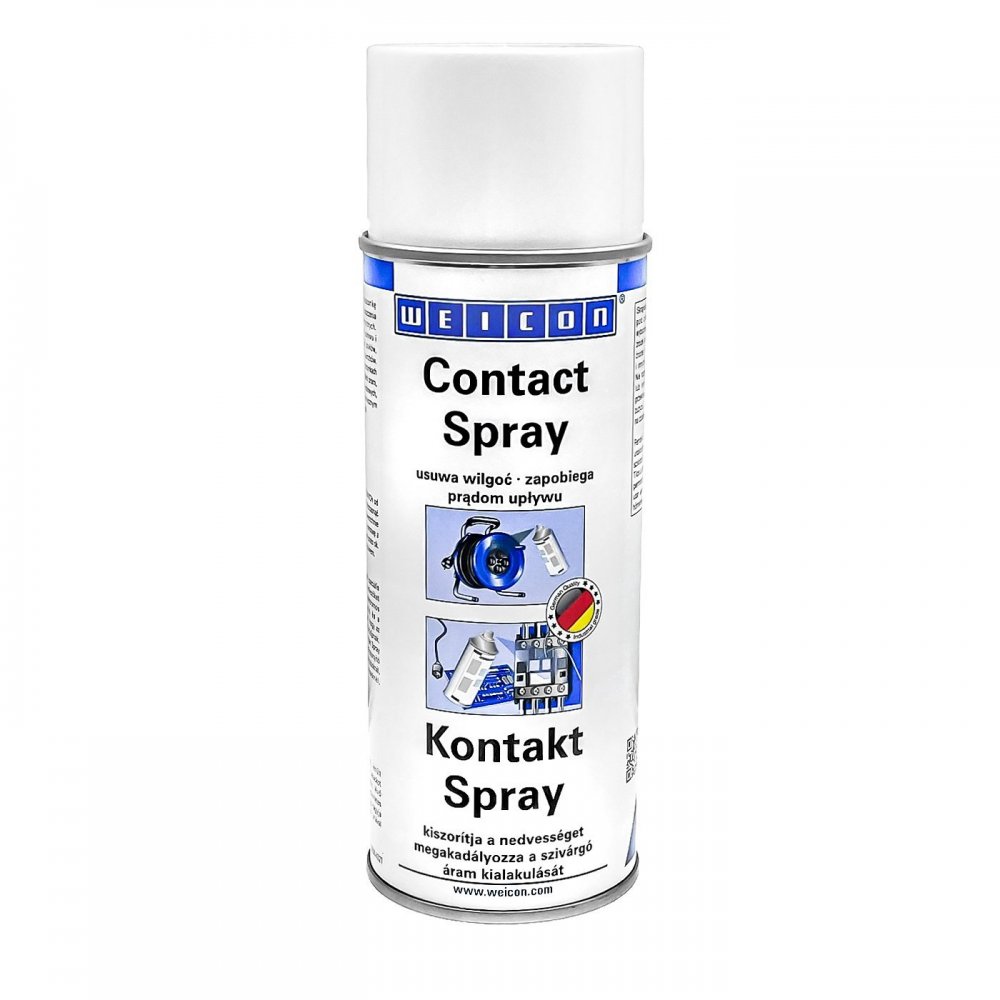 Weicon Contact Spray 400ml
- Code
- 10037501
- In stock
- 68pcs
- Price excl. VAT
- €5.60/ pcs
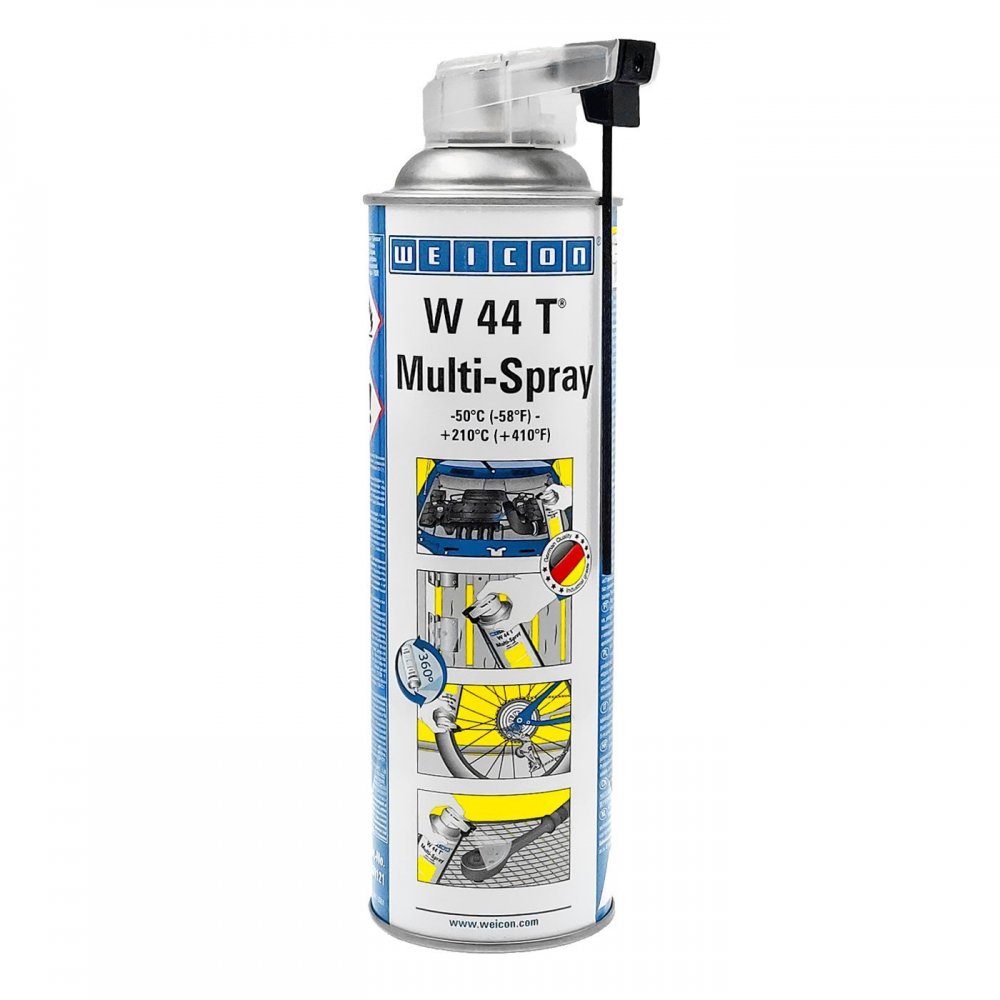 Multi-Spray WEICON W 44 T 500 ml
- Code
- 10039121
- In stock
- 104pcs
- Price excl. VAT
- €6.81/ pcs
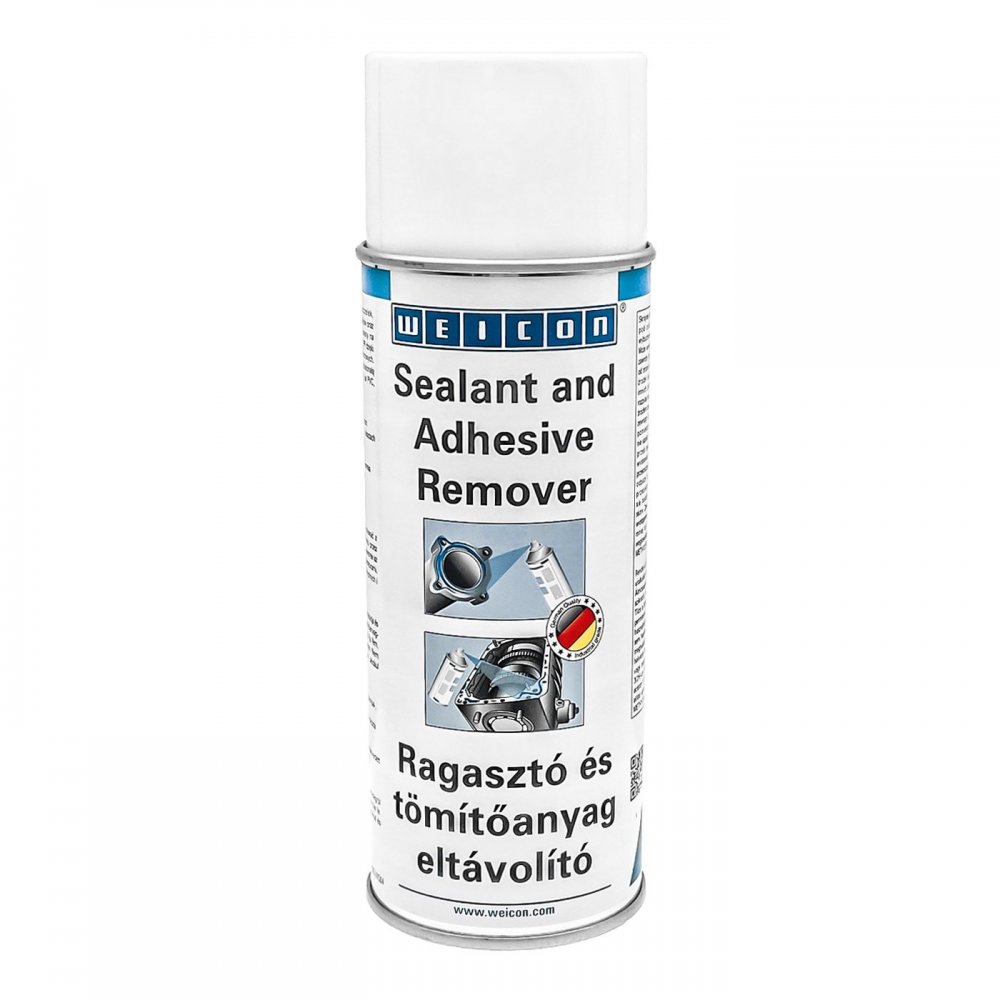 WEICON Sealant and Adhesive Remover 400ml [11202400-51]
- Code
- 10037507
- In stock
- 7pcs
- Price excl. VAT
- €9.18/ pcs
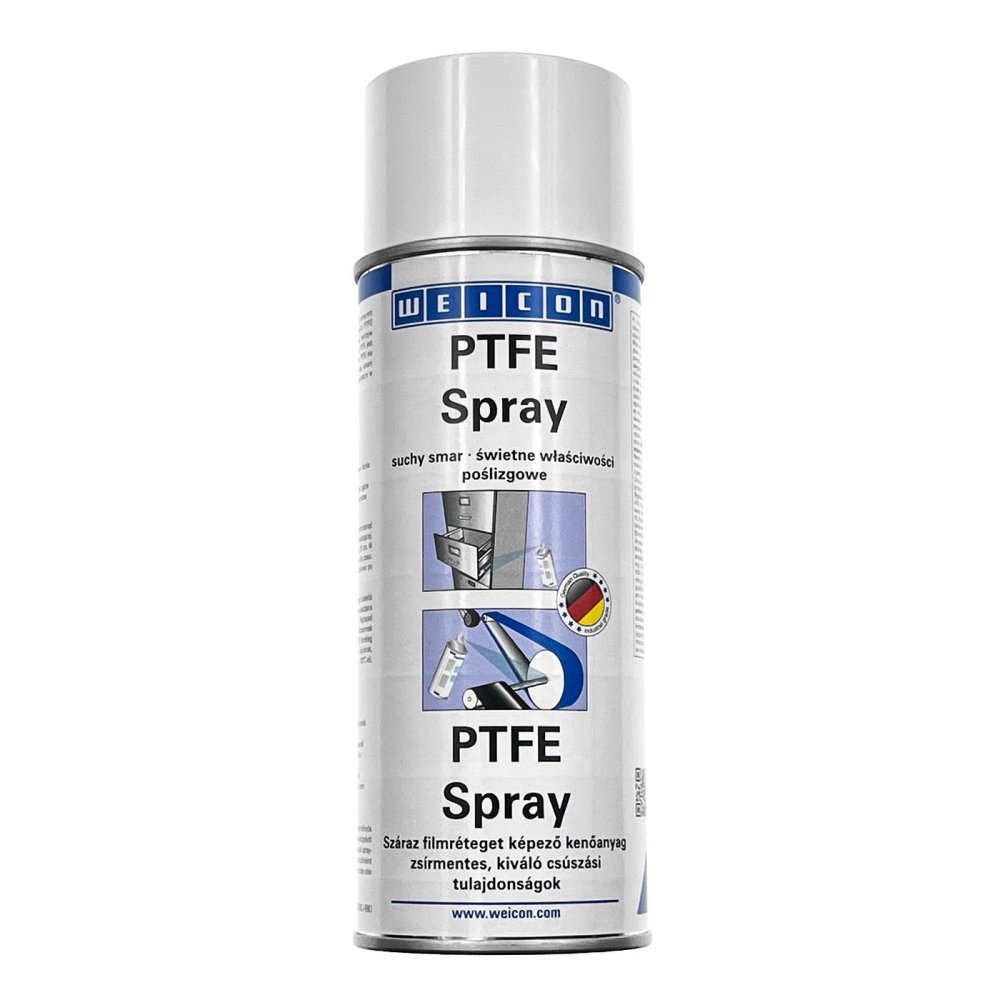 WEICON PTFE Spray 400 ml
- Code
- 10037539
- In stock
- 10pcs
- Price excl. VAT
- €14.96/ pcs
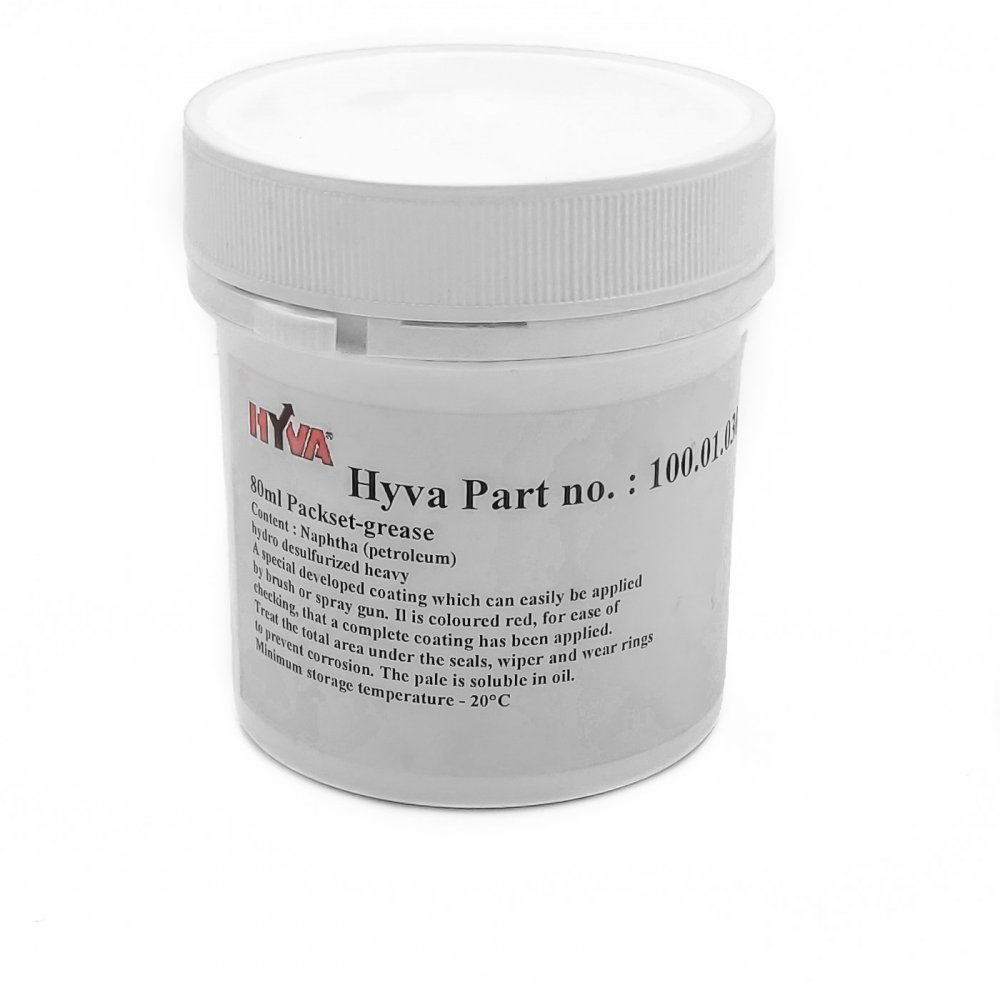 Grease HYVA 100.01.030
- Code
- 100.01.030
- In stock
- 11pcs
- Price excl. VAT
- €13.17/ pcs
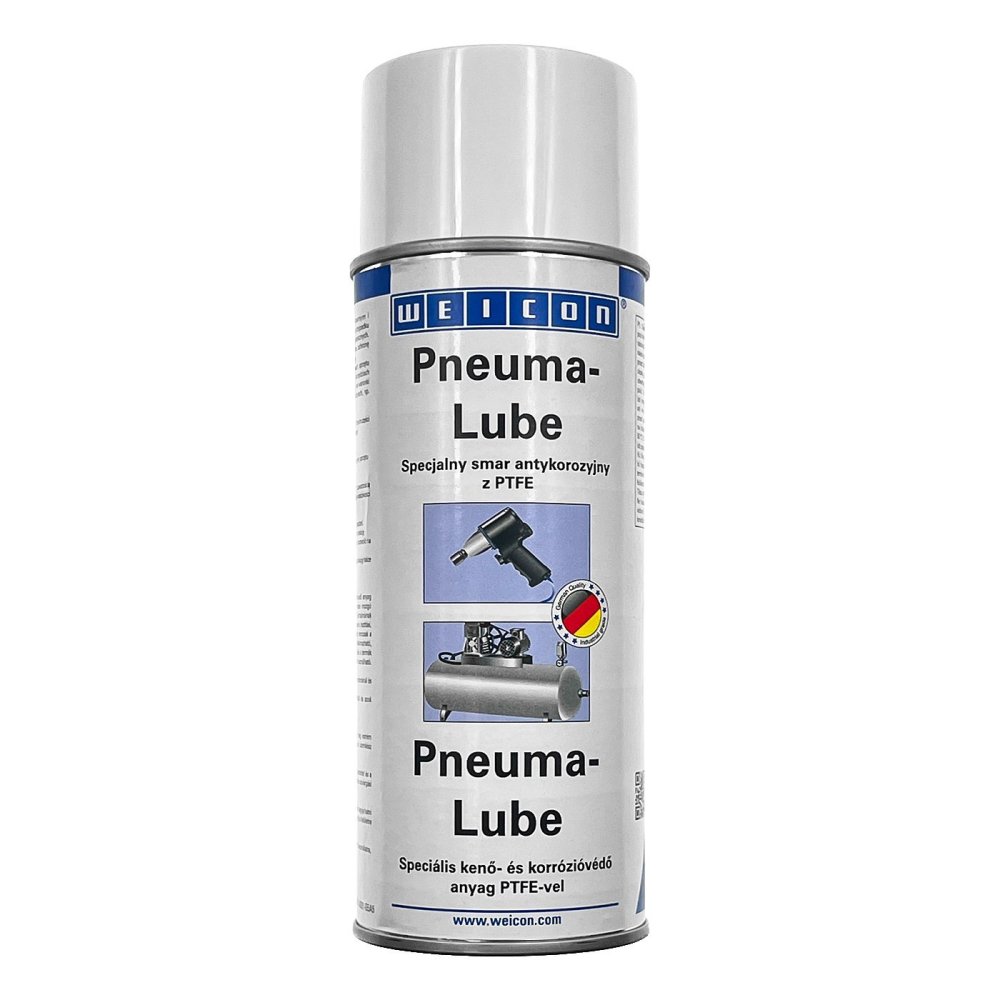 WEICON Pneuma-Lube Spray 400 ml
- Code
- 10049380
- In stock
- 12pcs
- Price excl. VAT
- €12.66/ pcs
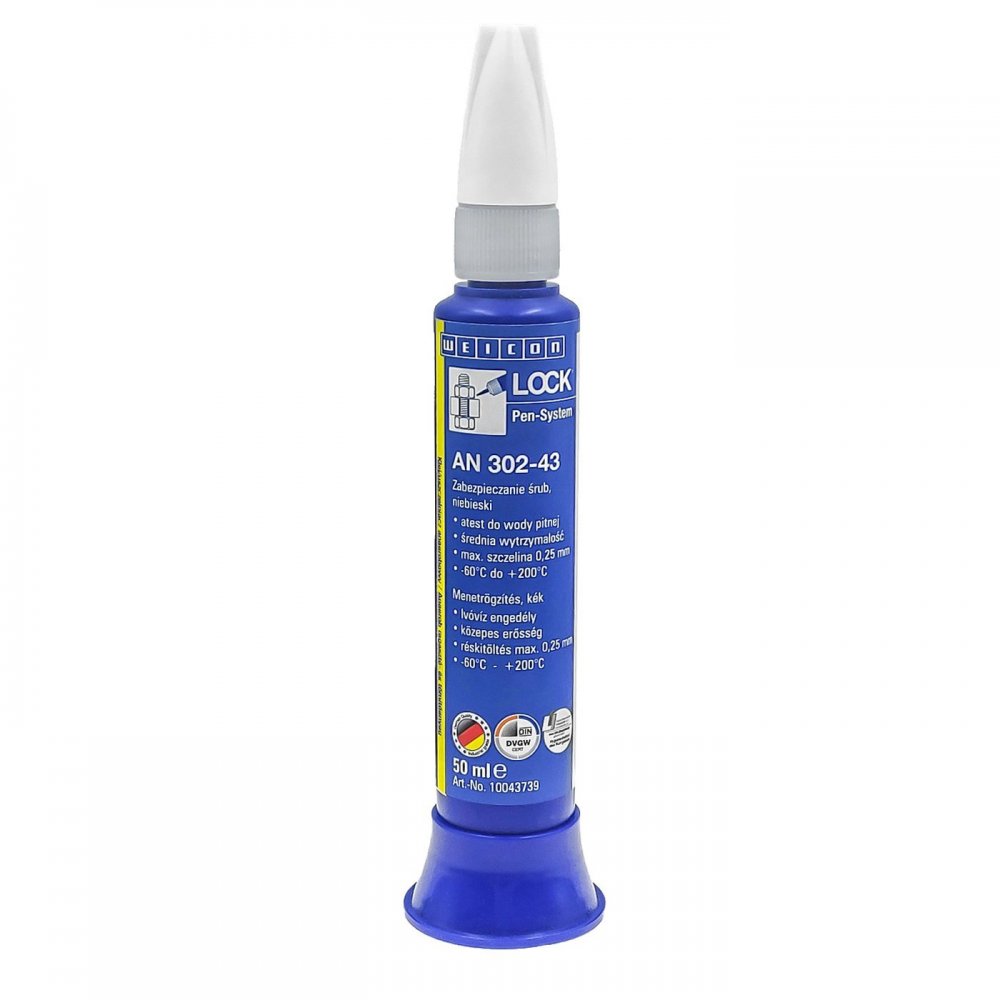 WEICONLOCK AN 302-43 thread locking agent 50 ml [30243150-51]
- Code
- 10043739
- In stock
- 7pcs
- Price excl. VAT
- €23.15/ pcs
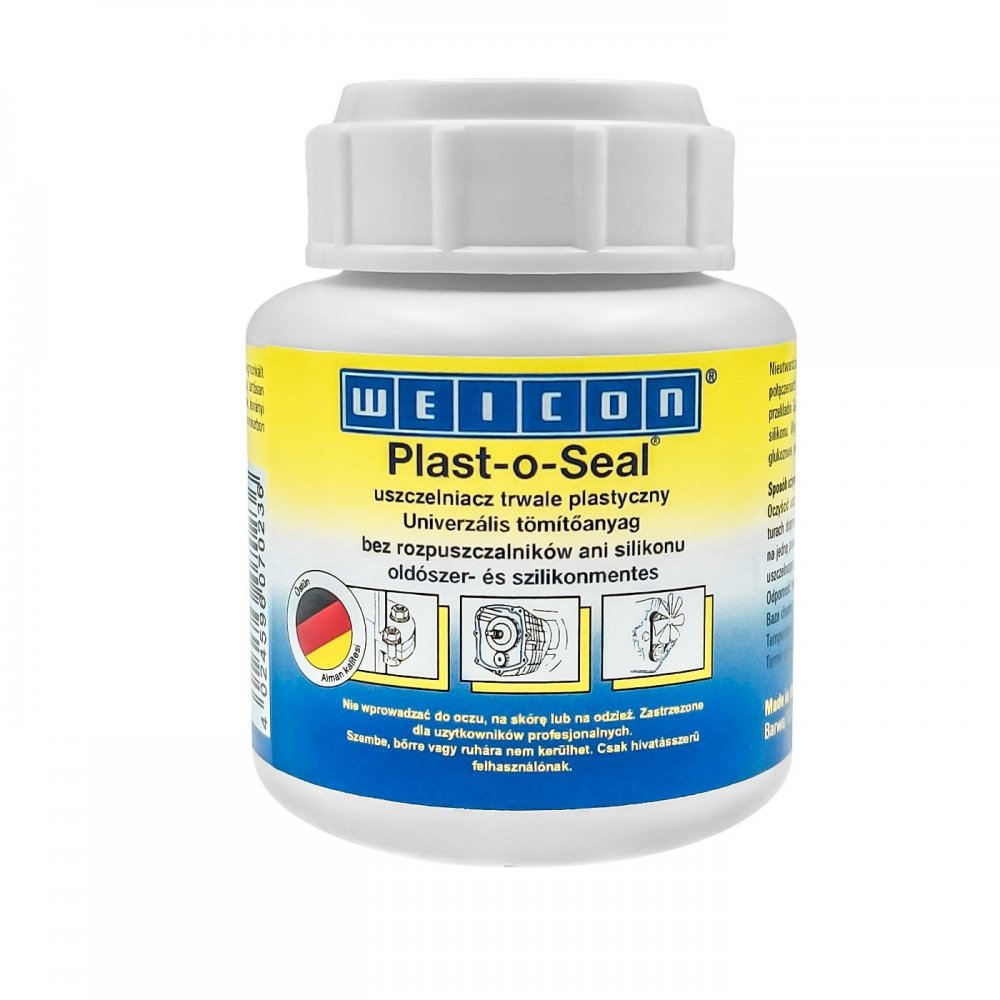 WEICON Plast-o-Seal universal sealant 120 g [30000120-51]
- Code
- 10046481
- In stock
- 15pcs
- Price excl. VAT
- €11.89/ pcs
We recommend: Tools
View all
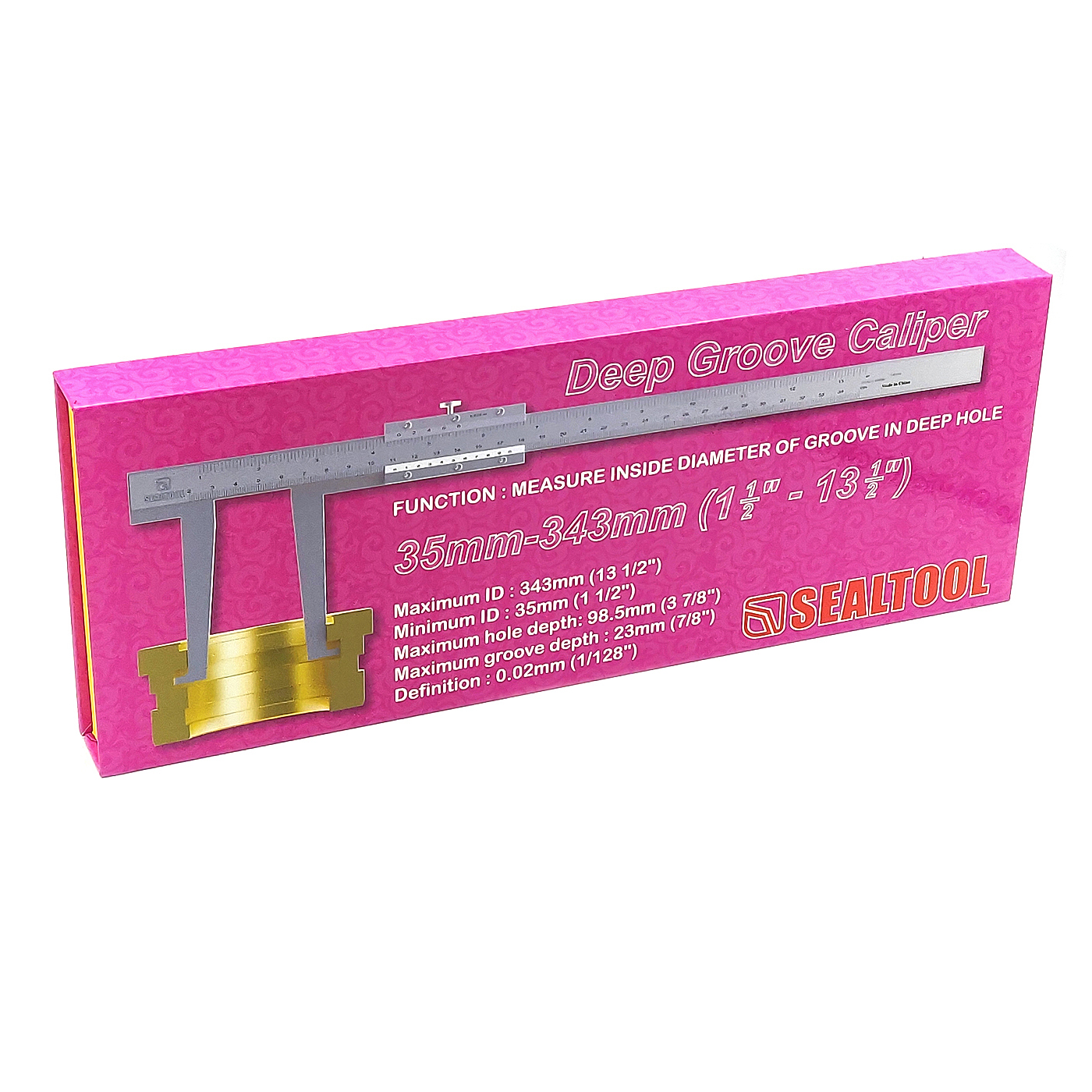 Large inner groove caliper
- Code
- 48003570
- In stock
- On request
- Price excl. VAT
- On request
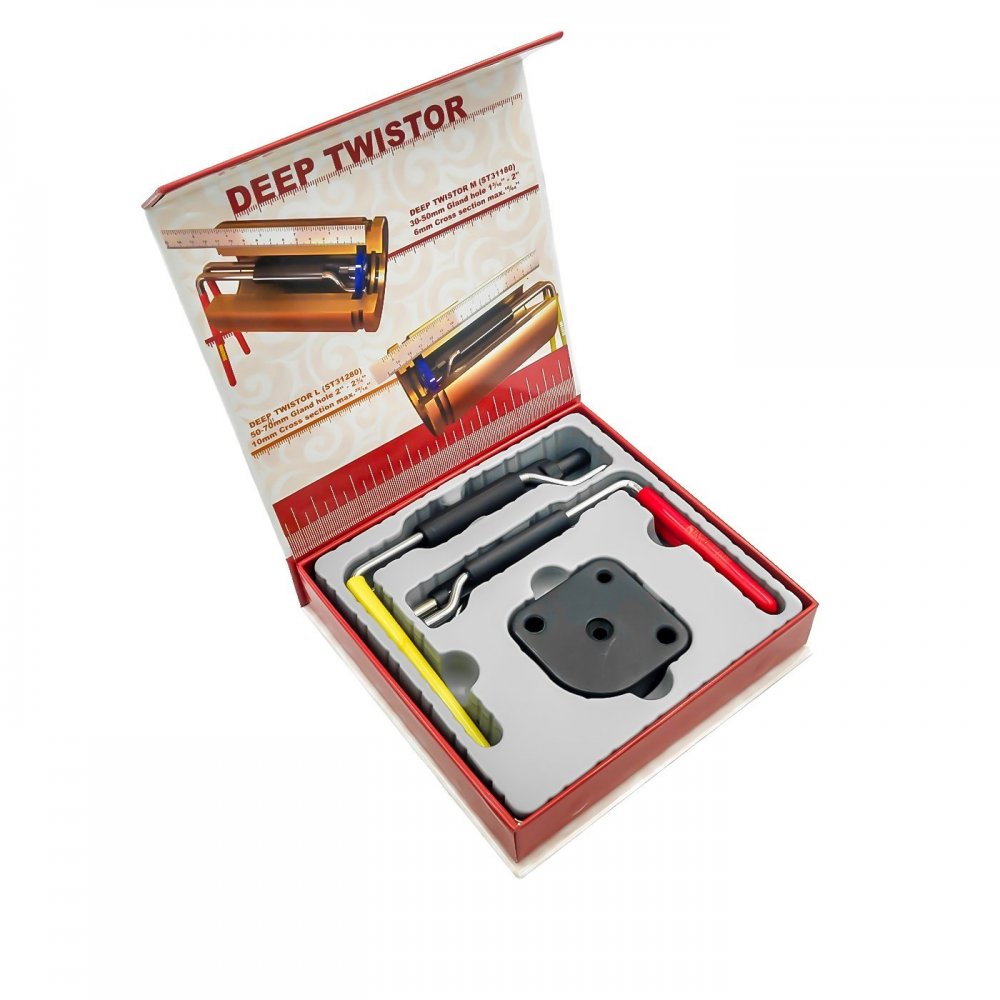 Deep seal twistor set
- Code
- 48003373
- In stock
- On request
- Price excl. VAT
- On request
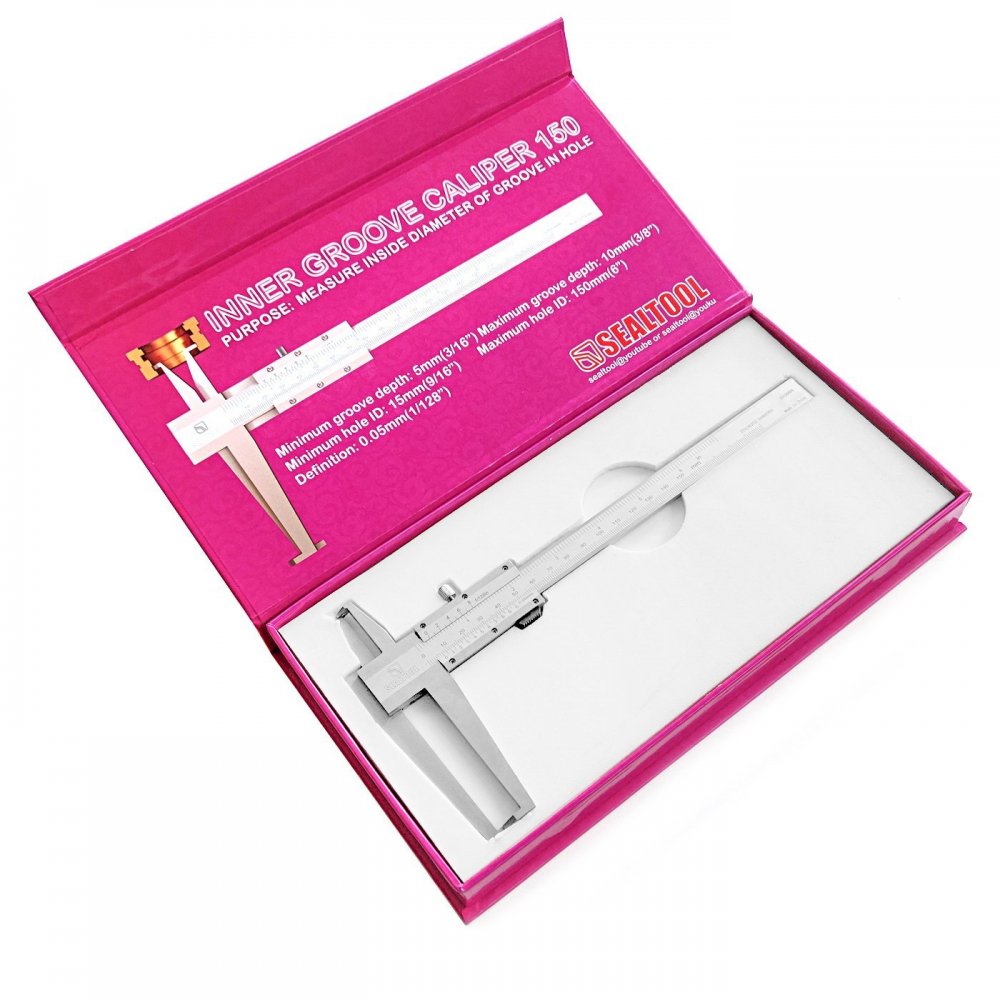 Inner groove caliper
- Code
- 48003254
- In stock
- 1pcs
- Price excl. VAT
- €136.70/ pcs
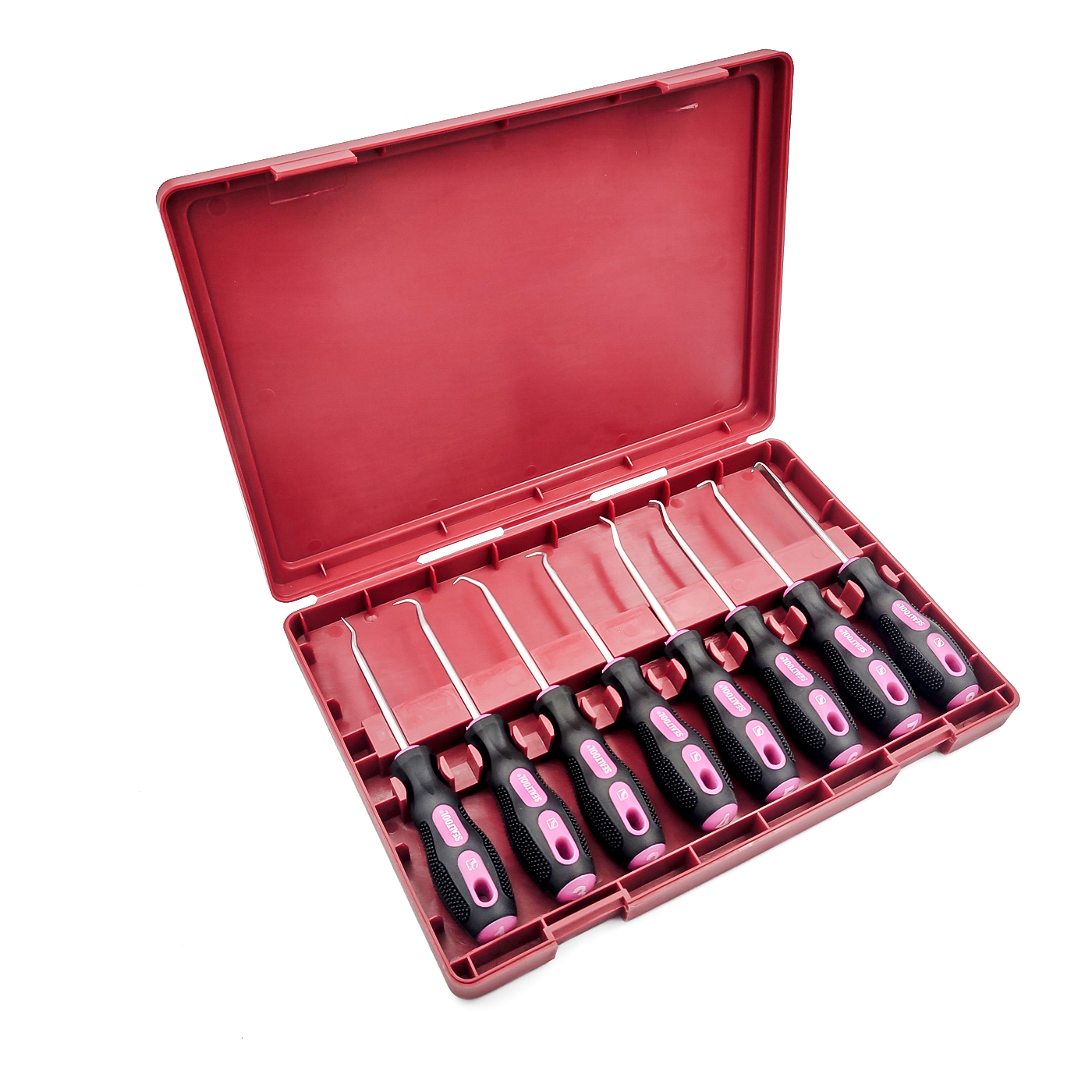 Seal hook set
- Code
- 48003740
- In stock
- 24pcs
- Price excl. VAT
- €41.15/ pcs
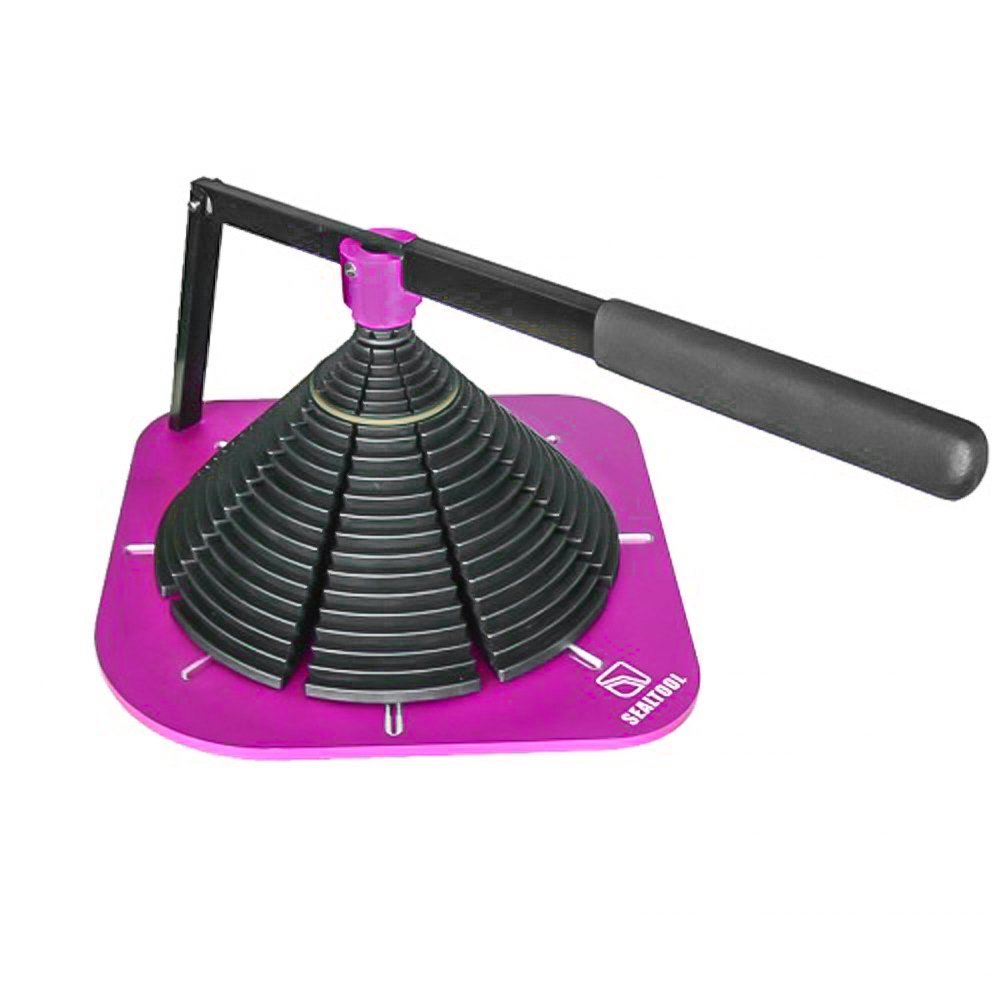 Seal stretcher [o40MM-250MM]
- Code
- 48003371
- In stock
- 3pcs
- Price excl. VAT
- €272.19/ pcs
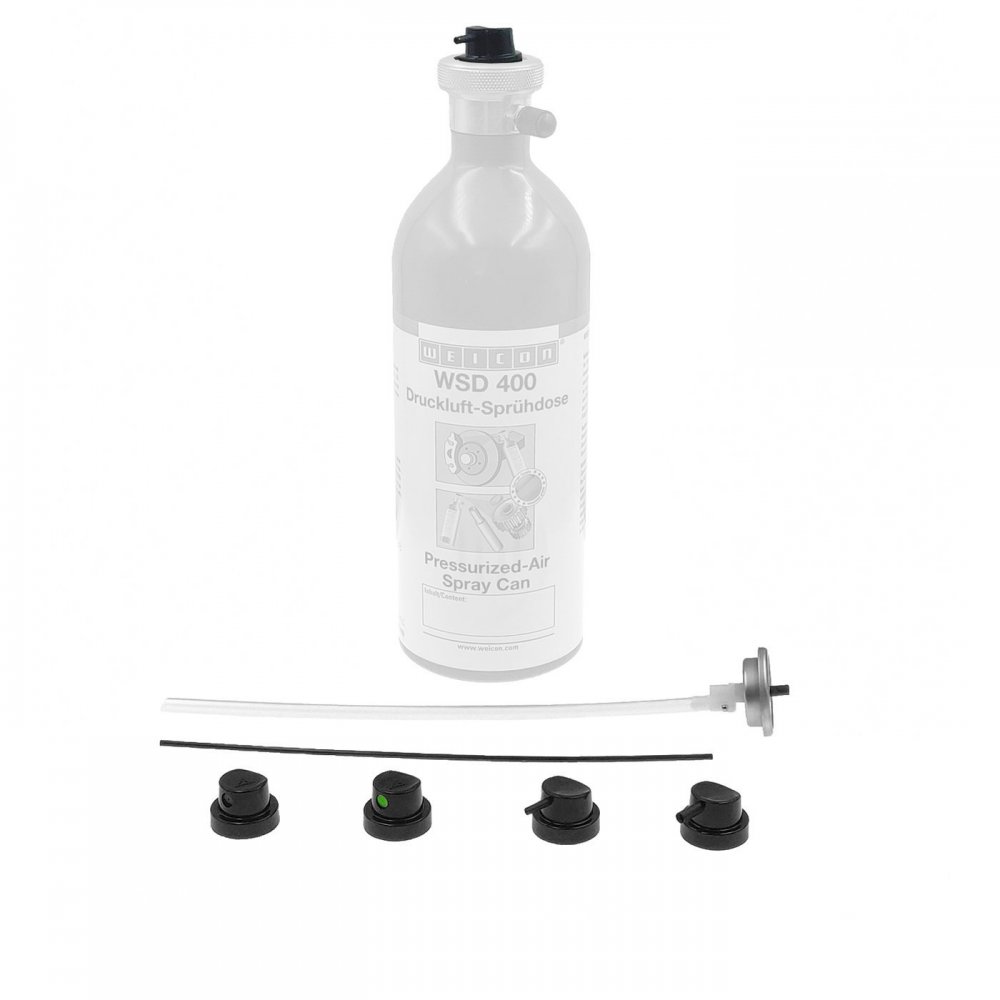 WEICON 4-piece spray head set with valve for WSD400
- Code
- 10009303
- In stock
- 21pcs
- Price excl. VAT
- €4.37/ pcs
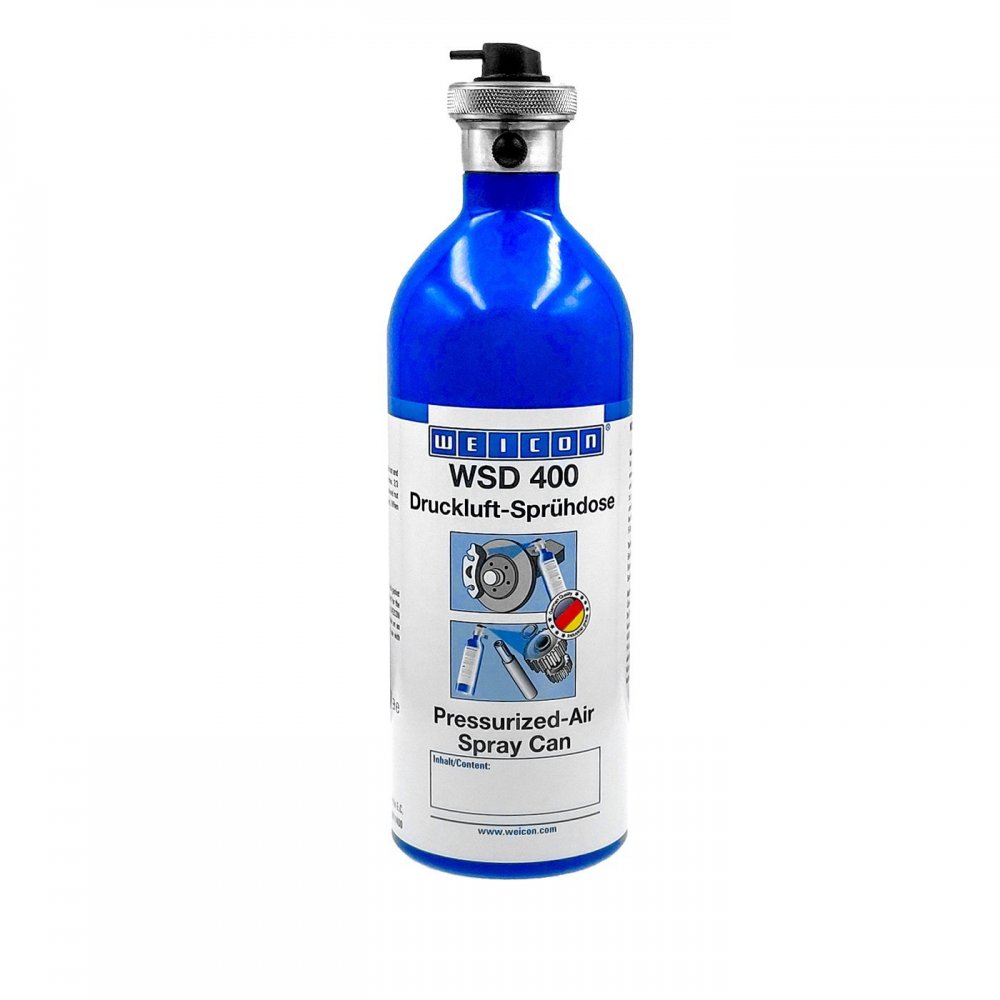 Pressurized-Air Spray Can WEICON WSD400
- Code
- 10009301
- In stock
- 15pcs
- Price excl. VAT
- €34.62/ pcs
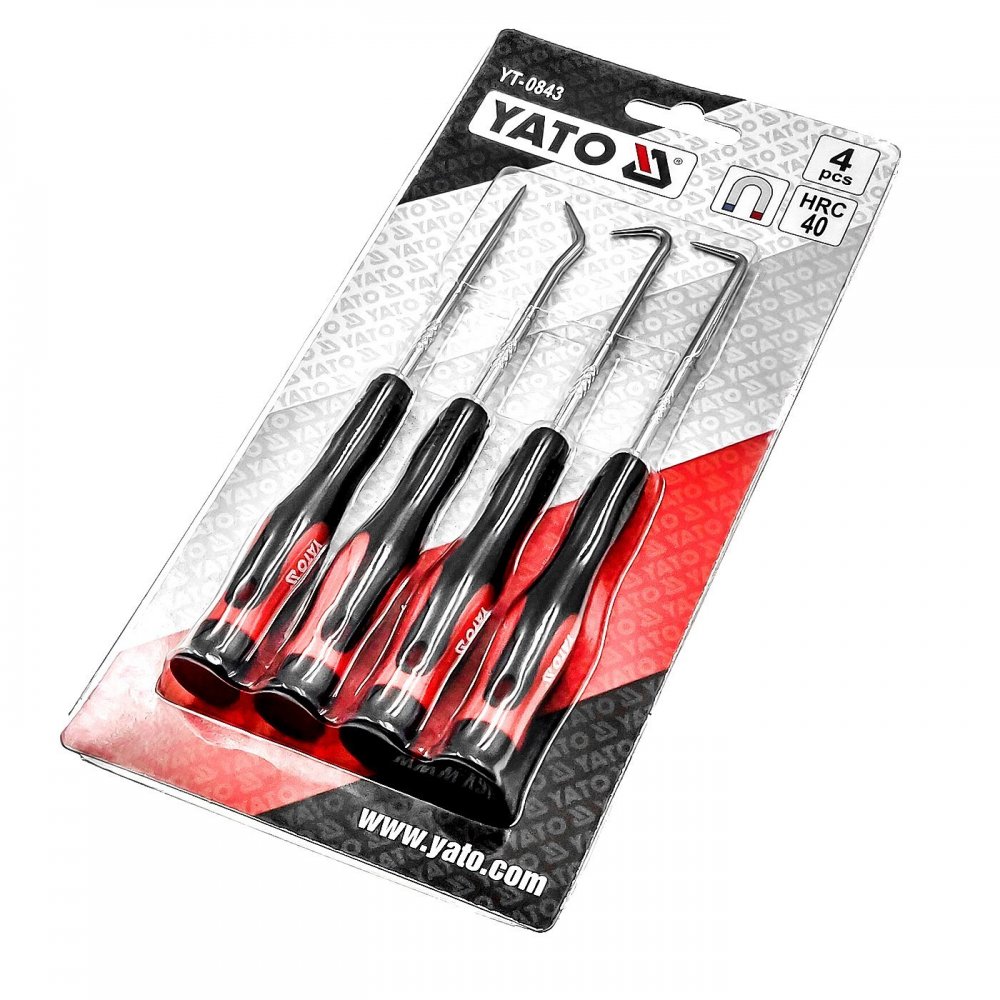 Yato Seal Removal Kit
- Code
- 48005237
- In stock
- 27pcs
- Price excl. VAT
- €2.68/ pcs