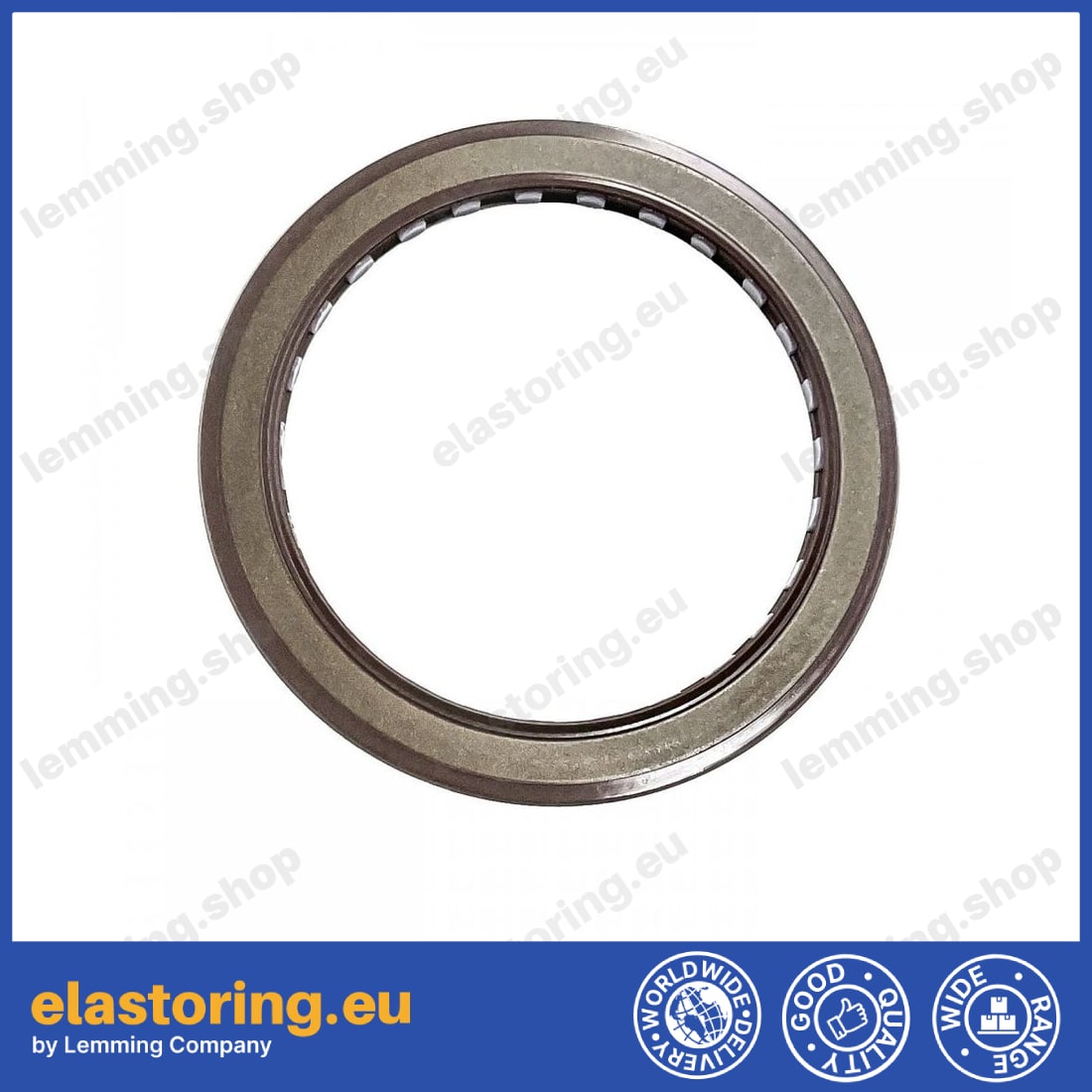
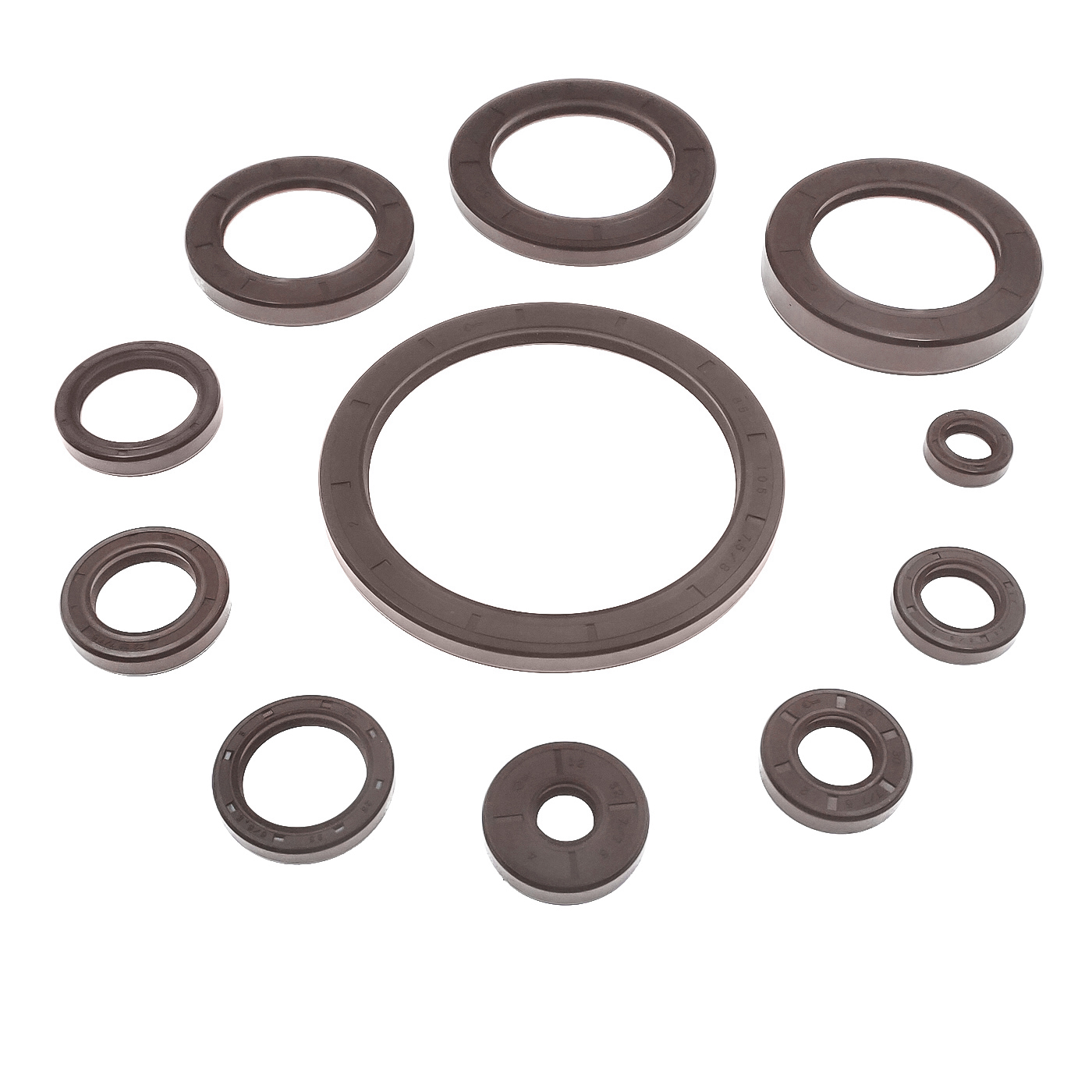
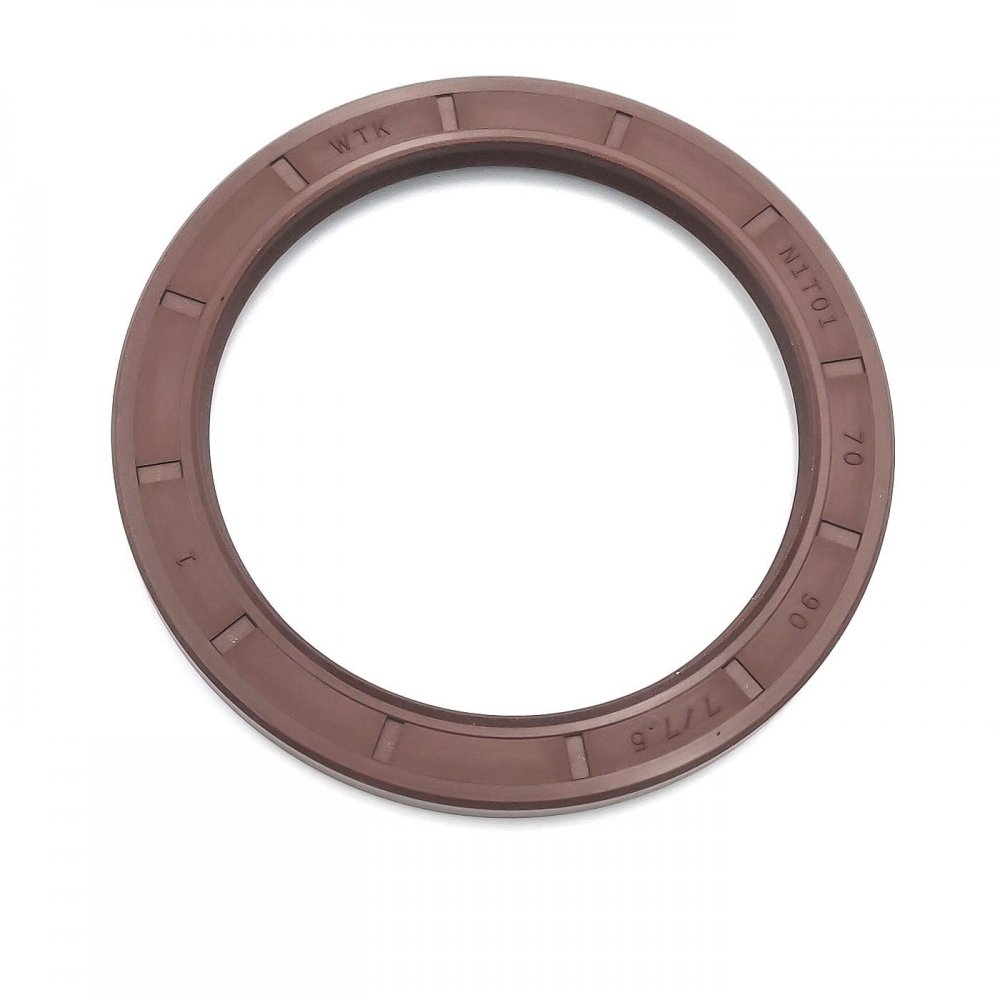
Oil seal 70x90x7/5,5BAFSL1SF FPM
| Code | 1906001 | |
|---|---|---|
| In stock | 5 | pcs |
| Priceexcl. VAT | From €18.74 | /pcs |
Price by quantityexcl. VAT
Similar
StockCode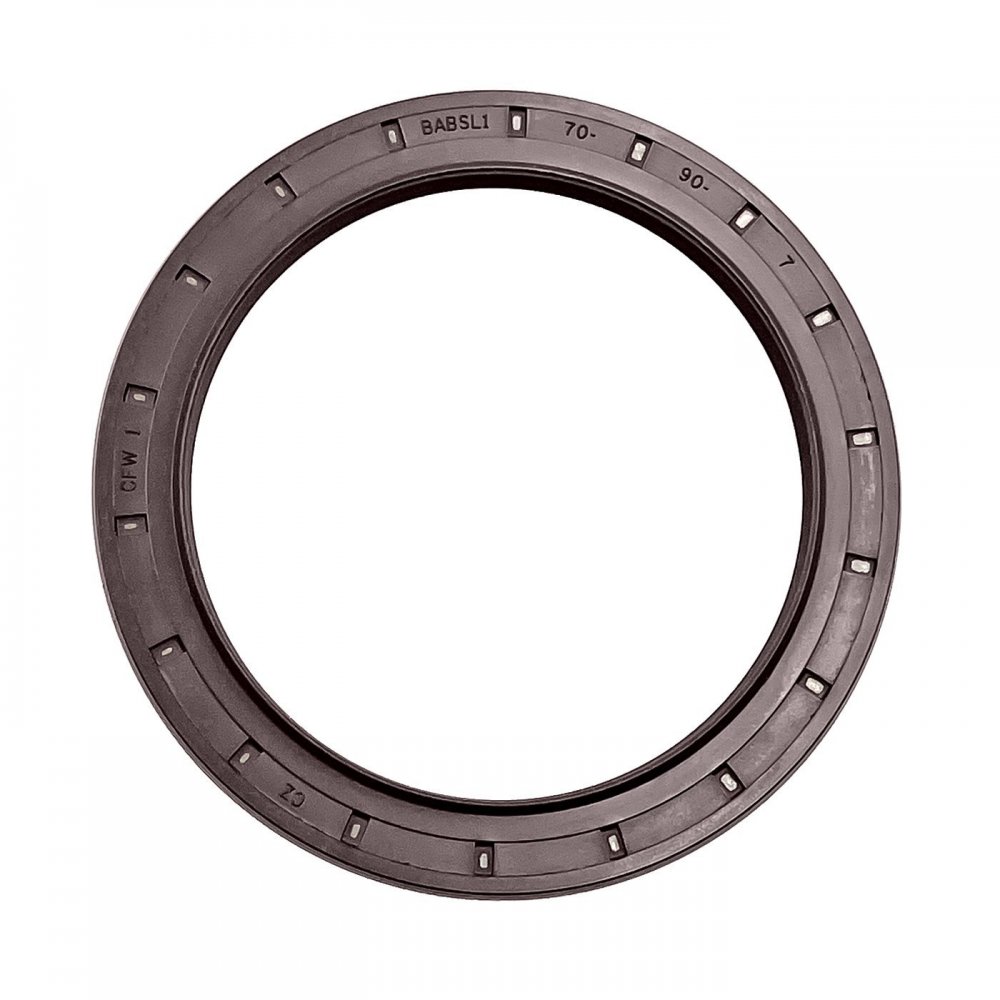
Technical data
| Seal type | BAFSL1SF | |
|---|---|---|
| Material type | FPM | |
| Brand | DMHUI | |
| Weight | 43 | g |
| Shaft Diameter | 70 | mm |
|---|---|---|
| Housing diameter | 90 | mm |
| Width 1 | 7 | mm |
| Width 2 | 5,5 | mm |
Description
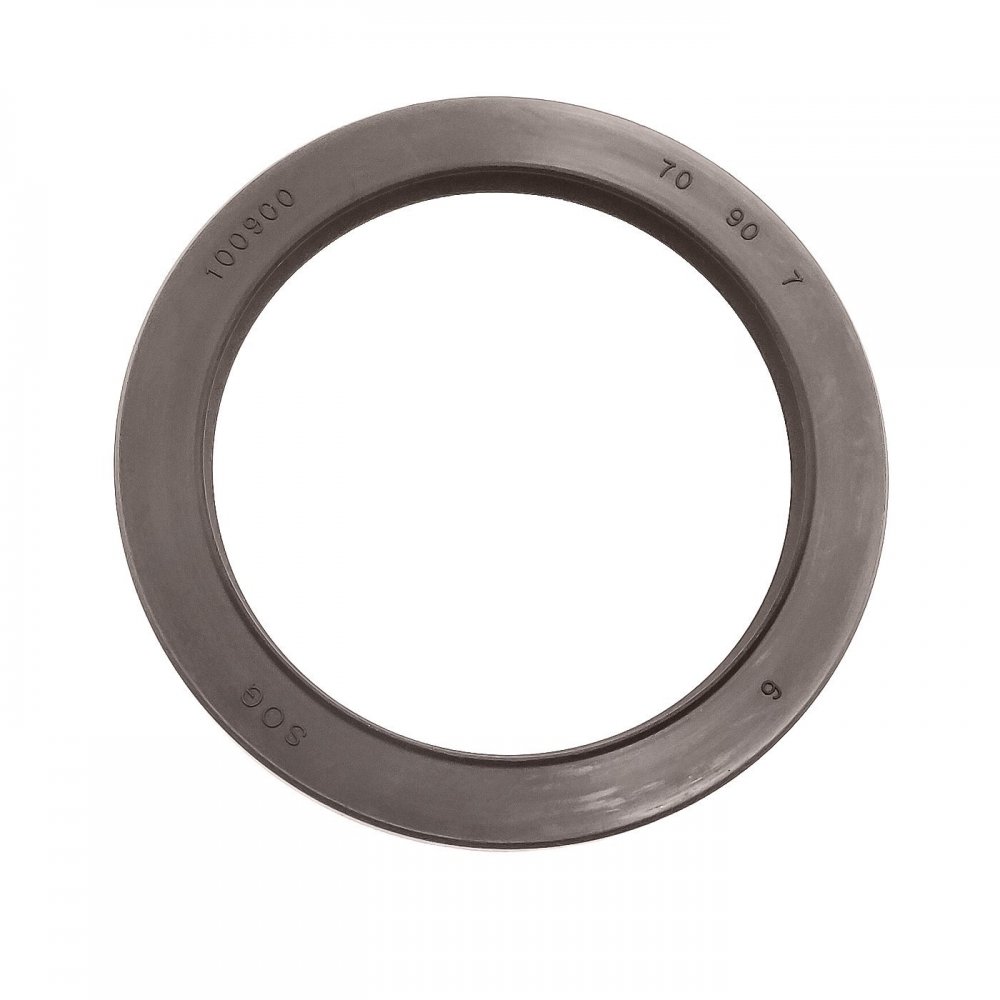
The 70×90×7/5,5 BAFSL1SF FPM [DMHUI] pressure oil seal is a sealing element intended for use in hydraulic and mechanical systems where increased pressures occur. The design with an open metal insert on the front face keeps the seal stable even under heavy load. Technical parameters: Inner diameter: 70 mm (≈ 2.76 inch) Outer diameter: 90 mm (≈ 3.54 inch) Seal height: 7/5,5 mm (≈ 0.28/0.22 inch) Material: FPM (Viton®) Maximum pressure: 30 bar Manufacturer: DMHUI (China)
Material
FPM / FKM (fluoroelastomer, Viton®)
- Operating temperature-20 °C to +200 °C
Good for high temperature, all fuels and oils, ozone and sunlight. Not for brake fluid, acetone-type solvents, ammonia, hot steam or severe cold.
| Can be used | Do not use |
|---|---|
| High temperatures, continuously up to +200 °C | Acetone, MEK, dioxane, ethyl acetate and similar solvents |
| Mineral and synthetic oils, incl. engine oil and oils with aggressive additives | Brake fluid (DOT 3, DOT 4, DOT 5.1): the ring swells |
| Benzene, toluene, xylene, trichloroethylene (aromatic and chlorinated solvents) | Ammonia, amines and alkaline liquids: the rubber breaks down |
| All fuels: petrol also with bioethanol (E10, E85), diesel, biodiesel, aviation petrol | Steam and hot water above +120 to +130 °C |
| Fire-resistant hydraulic fluid HFD-R (phosphate esters) | Formic acid and strong acetic acid (low-molecular organic acids) |
| Ozone, UV and sunlight (hardly any ageing) | Severe cold below -20 °C with standard FPM: it hardens and leaks |
| Deep vacuum (very little outgassing) | Hot fluorine gas and hydrofluoric acid (HF) |
Safety: if the seal is heated above +300 °C (fire, gas torch), FPM releases toxic hydrogen fluoride. Do not touch the burnt residue with bare hands: it forms hydrofluoric acid and causes chemical burns.
We recommend: Industrial chemicals
View all
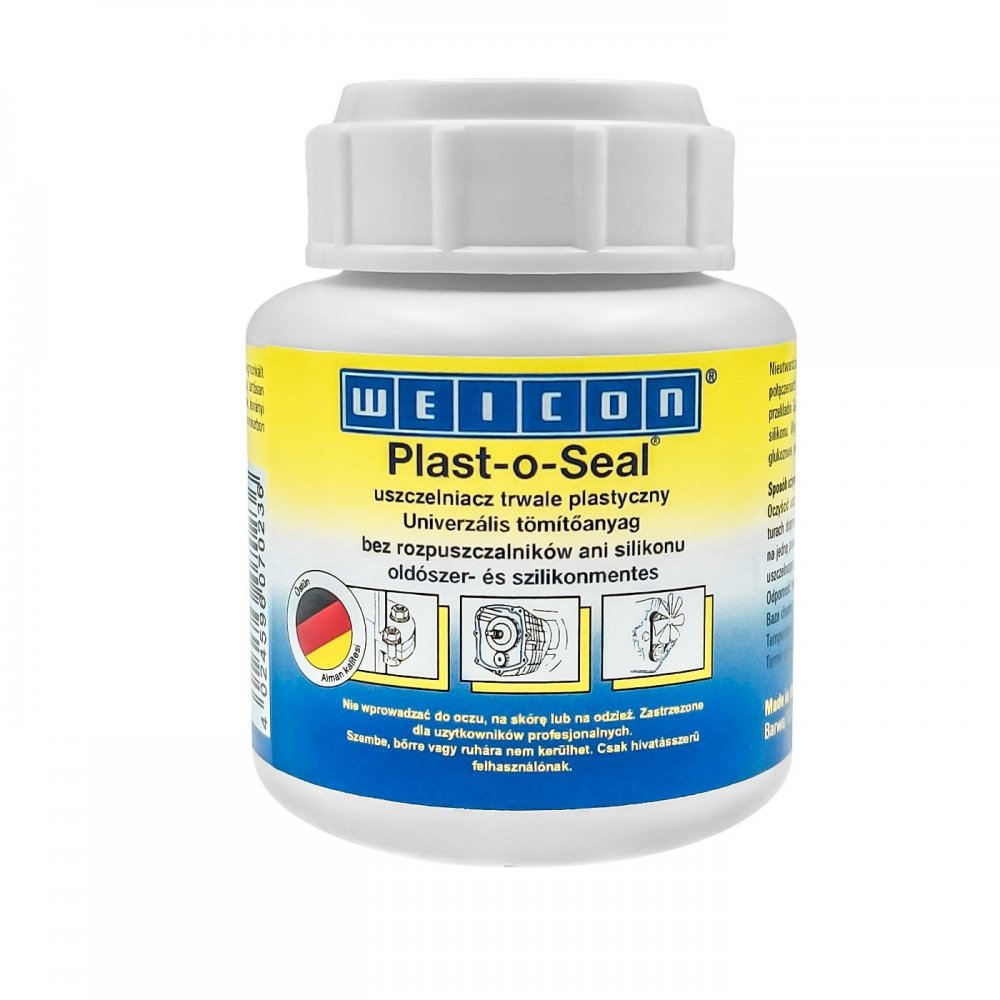 WEICON Plast-o-Seal universal sealant 120 g [30000120-51]
- Code
- 10046481
- In stock
- 15pcs
- Price excl. VAT
- €11.89/ pcs
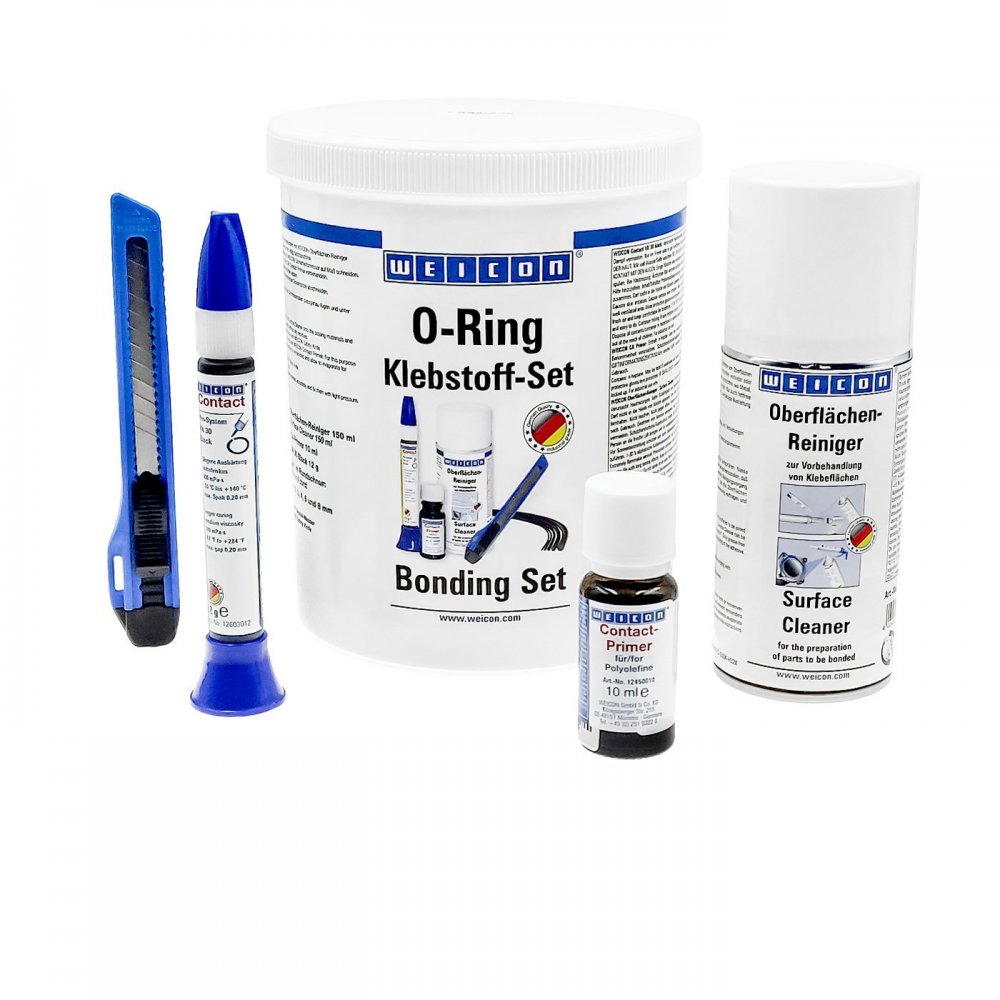 WEICON O-Ring Bonding Set [12508030]
- Code
- 10034766
- In stock
- 3pcs
- Price excl. VAT
- €35.94/ pcs
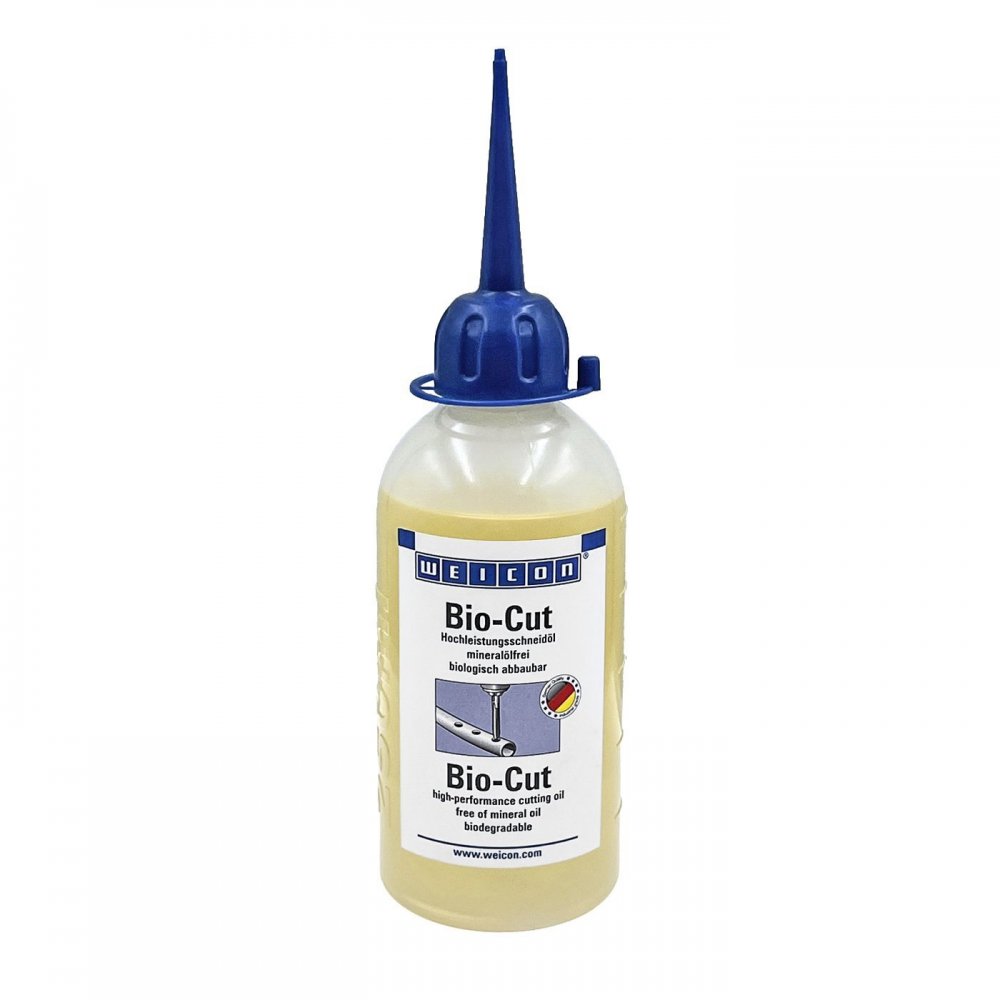 High-performance drilling and cutting oil WEICON Bio-Cut 250ml
- Code
- 10011167
- In stock
- 7pcs
- Price excl. VAT
- €15.47/ pcs
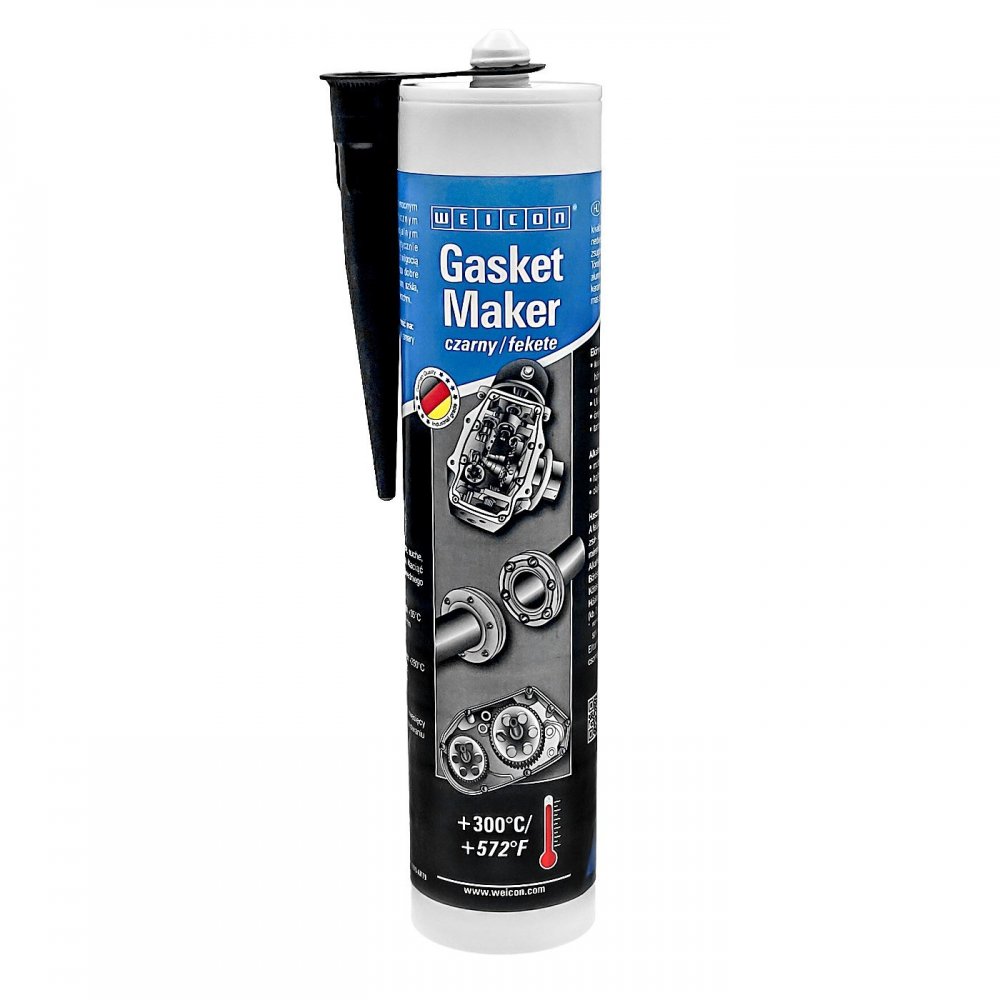 Gasket Maker flexible special sealant [30101310-51]
- Code
- 10052667
- In stock
- 32pcs
- Price excl. VAT
- €15.47/ pcs
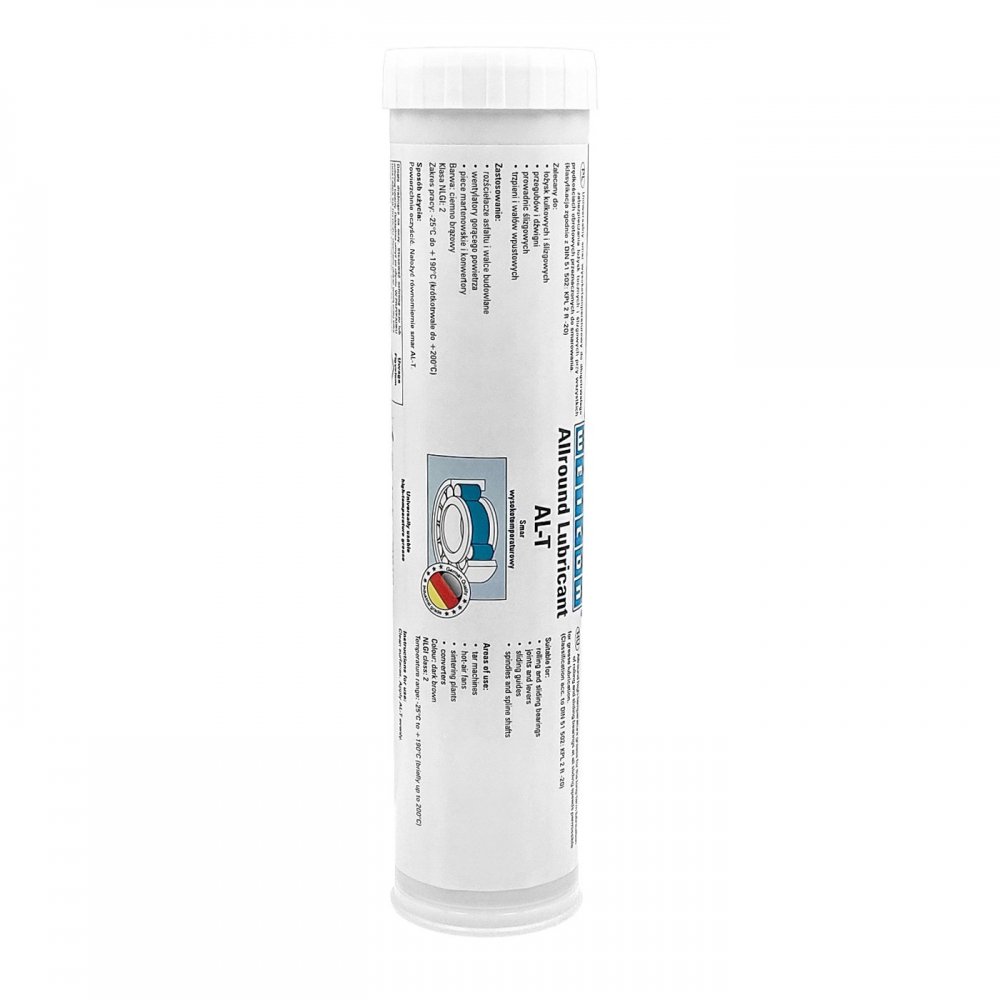 WEICON AL-T Allround Lubricant High temperature grease 400g [26600040-51]
- Code
- 10046476
- In stock
- 10pcs
- Price excl. VAT
- €9.88/ pcs
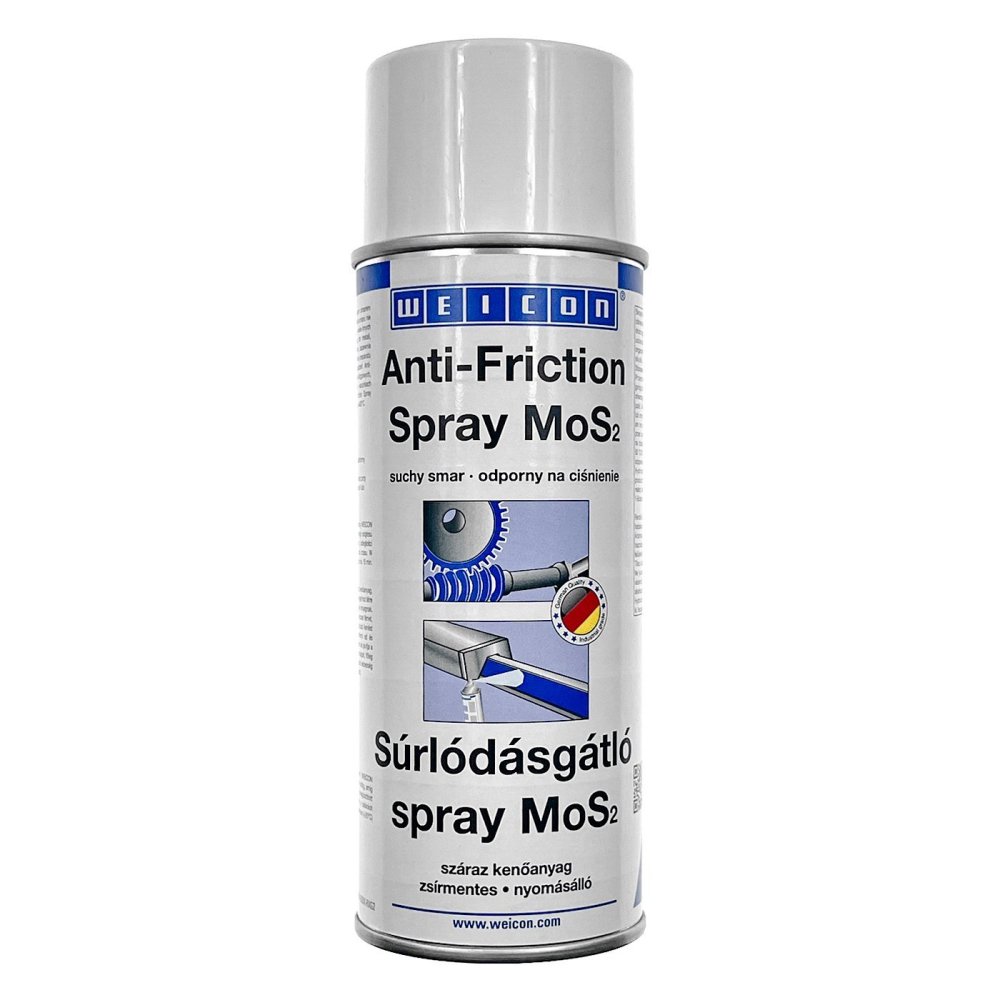 WEICON Anti-Friction Spray MoS2 400 ml
- Code
- 10037556
- In stock
- 9pcs
- Price excl. VAT
- €16.75/ pcs
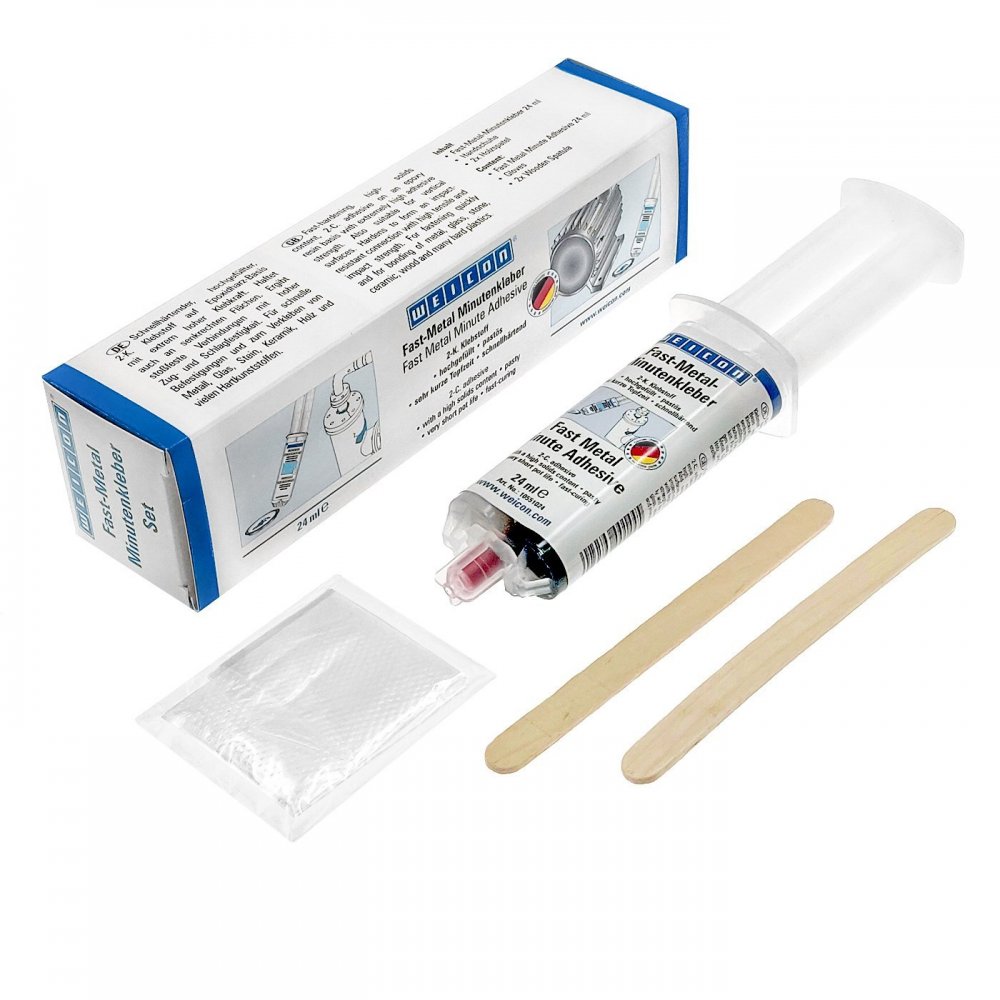 Weicon epoxy glue application kit [10551025]
- Code
- 10058777
- In stock
- 8pcs
- Price excl. VAT
- €11.38/ pcs
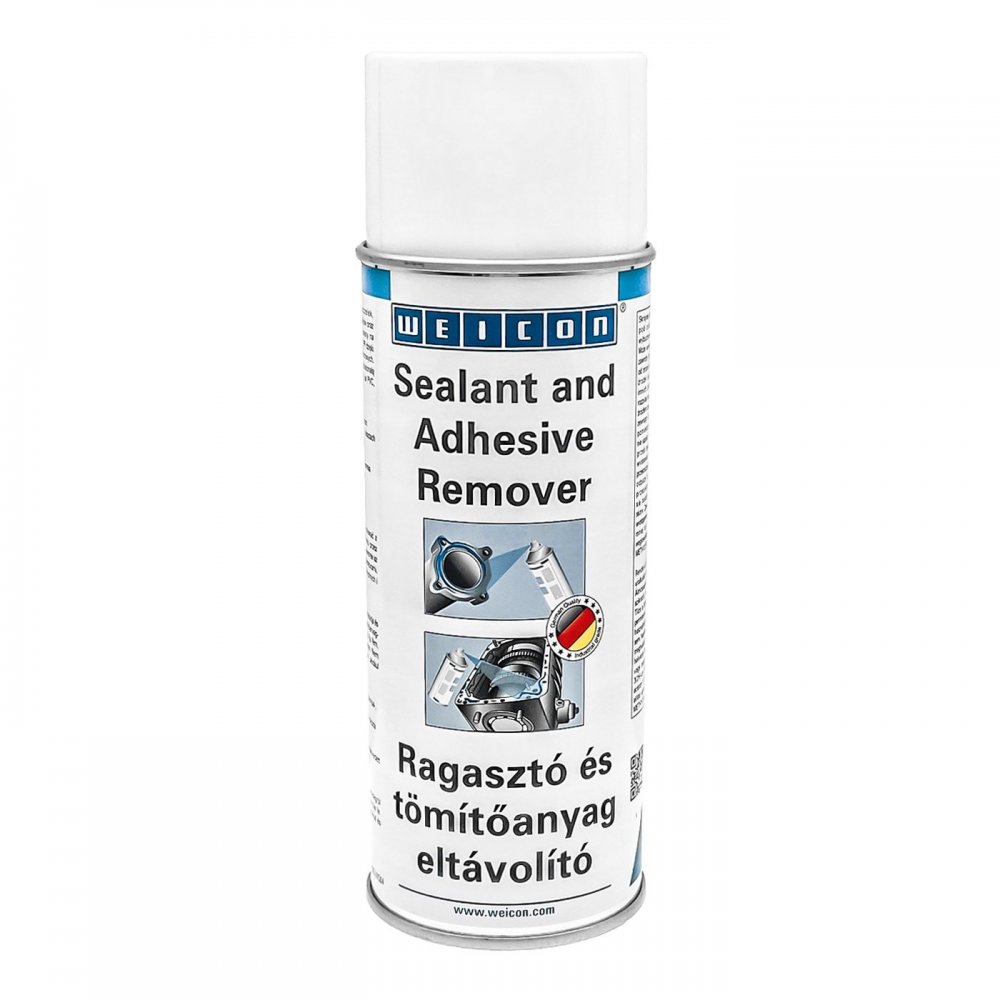 WEICON Sealant and Adhesive Remover 400ml [11202400-51]
- Code
- 10037507
- In stock
- 7pcs
- Price excl. VAT
- €9.18/ pcs
We recommend: Tools
View all
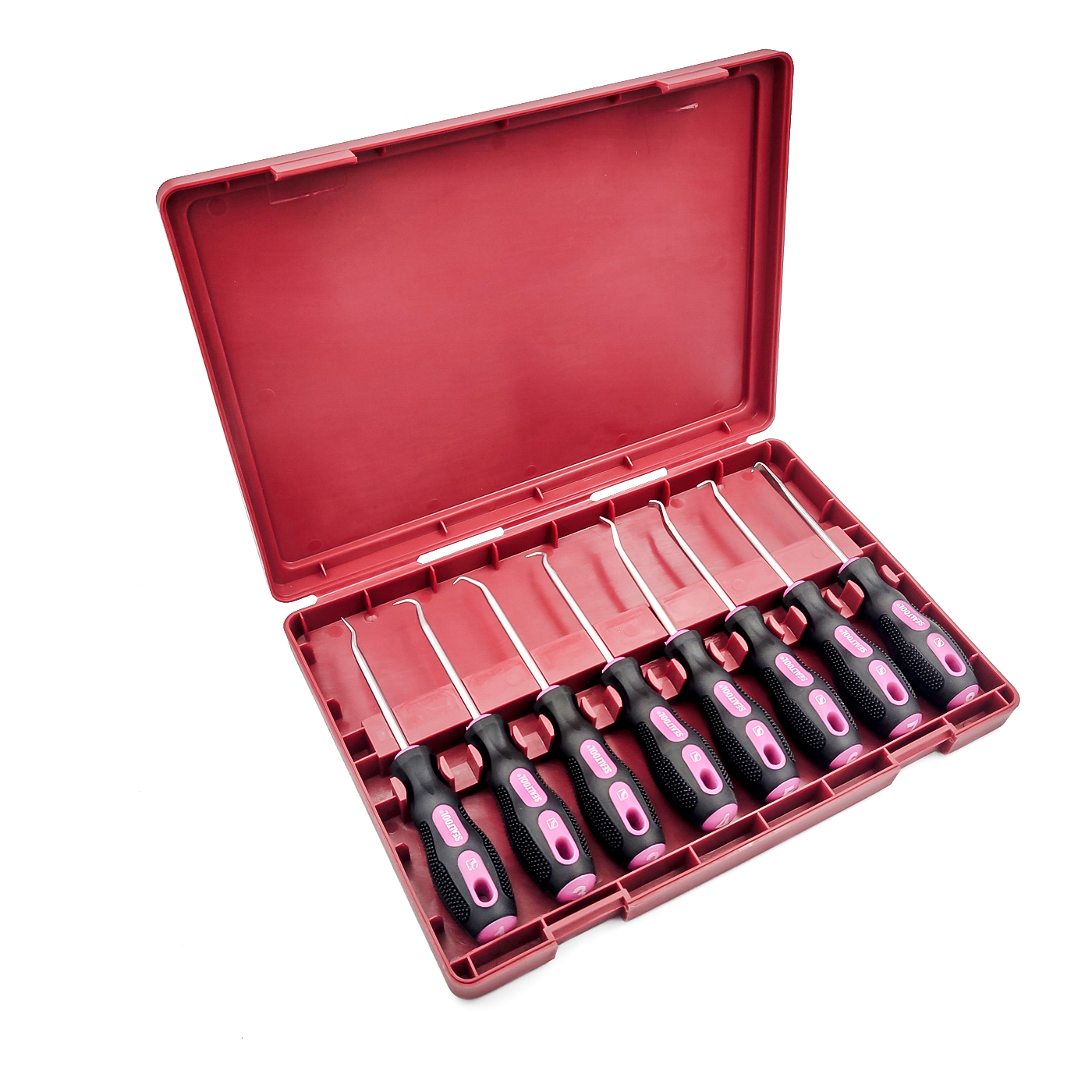 Seal hook set
- Code
- 48003740
- In stock
- 24pcs
- Price excl. VAT
- €41.15/ pcs
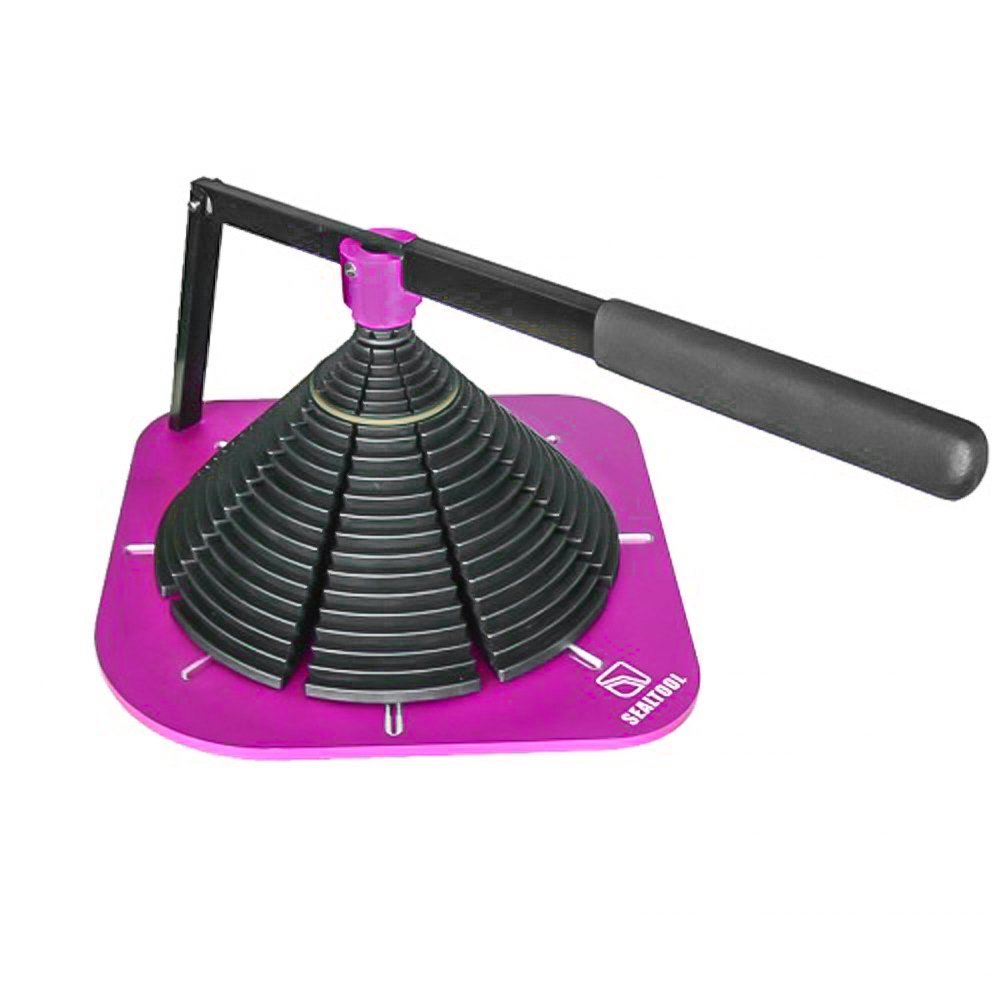 Seal stretcher [o40MM-250MM]
- Code
- 48003371
- In stock
- 3pcs
- Price excl. VAT
- €272.19/ pcs
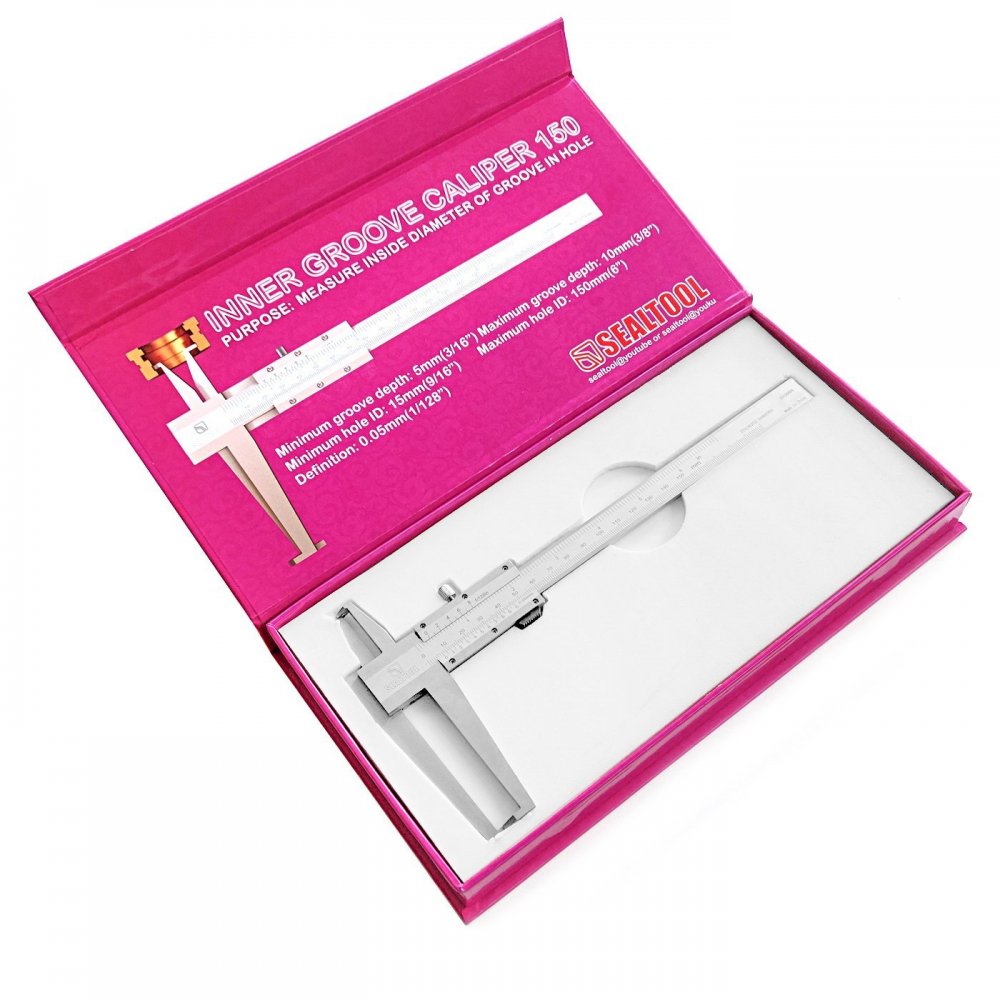 Inner groove caliper
- Code
- 48003254
- In stock
- 1pcs
- Price excl. VAT
- €136.70/ pcs
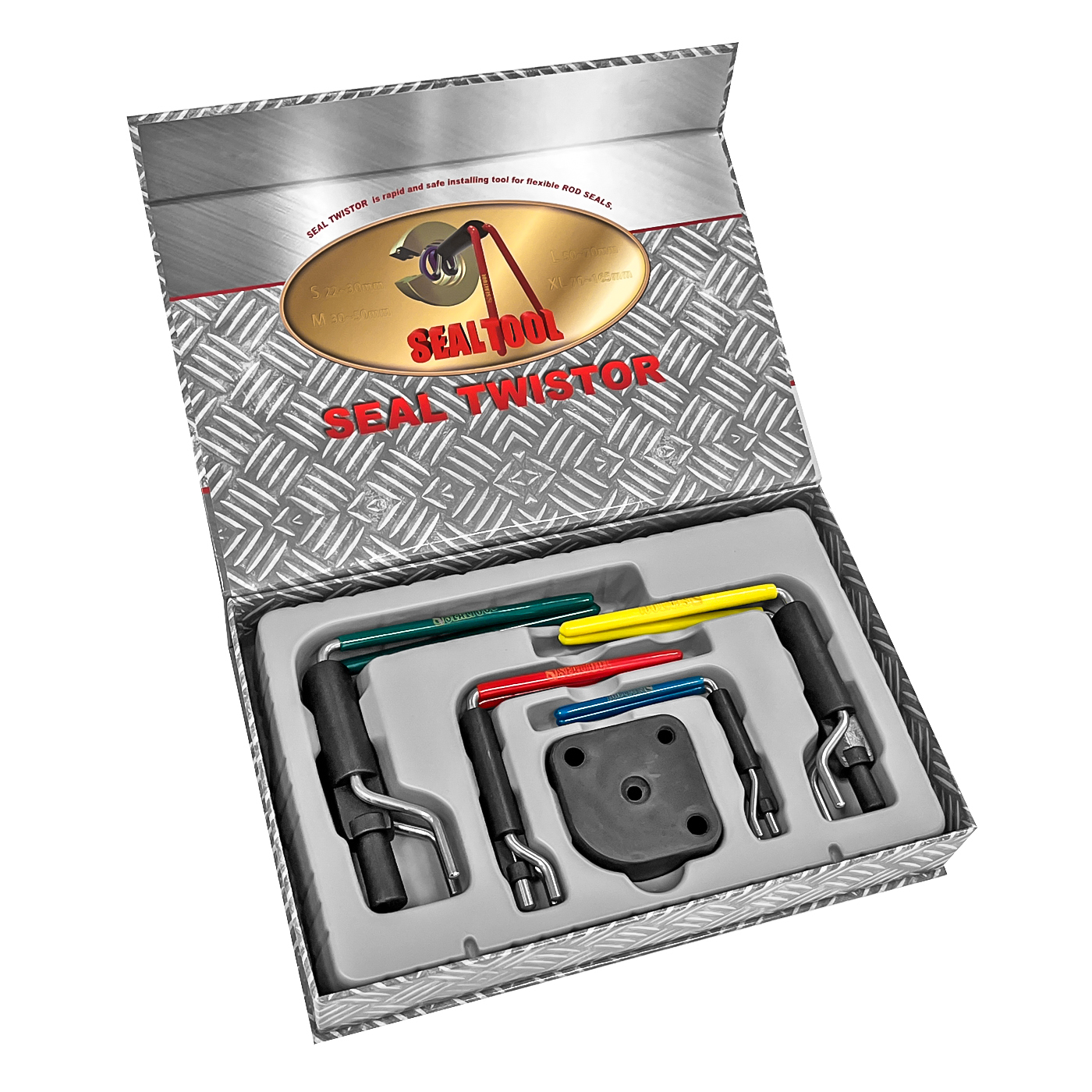 Seal twistors set
- Code
- 48003242
- In stock
- 43pcs
- Price excl. VAT
- €79.00/ pcs
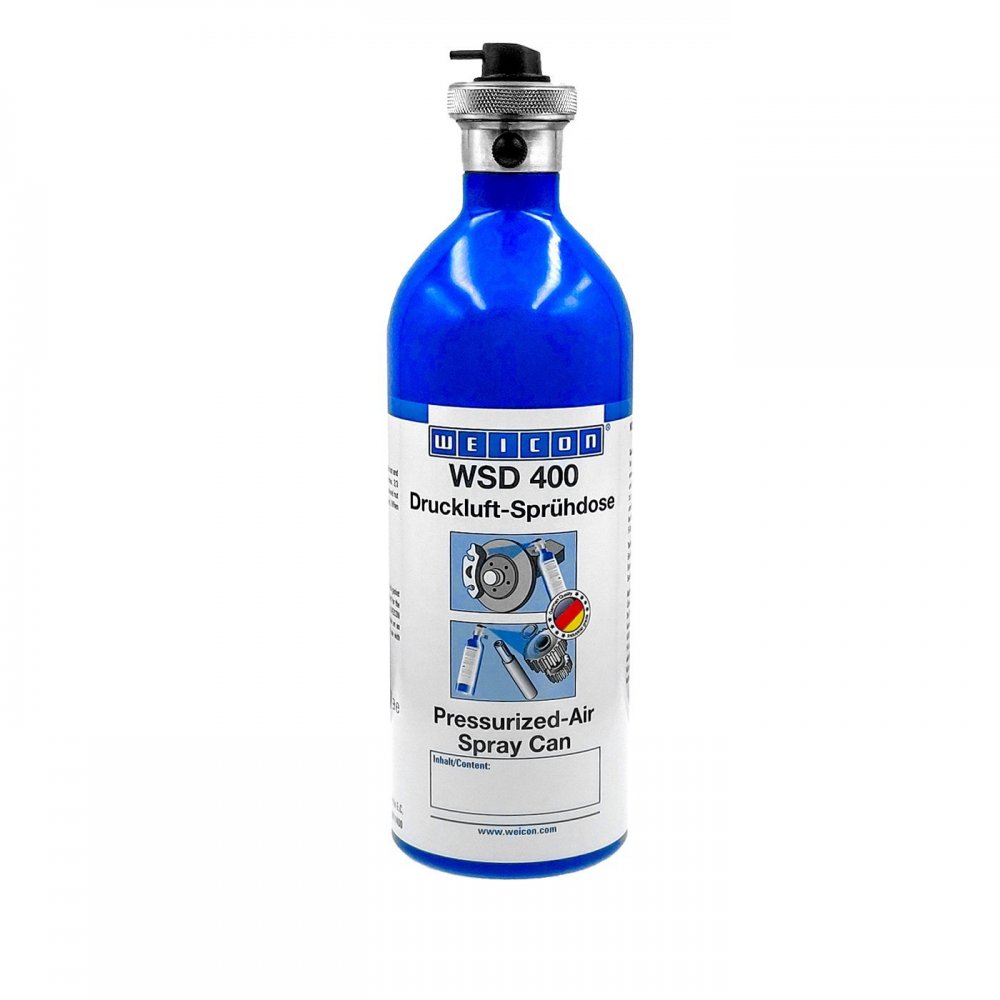 Pressurized-Air Spray Can WEICON WSD400
- Code
- 10009301
- In stock
- 15pcs
- Price excl. VAT
- €34.62/ pcs
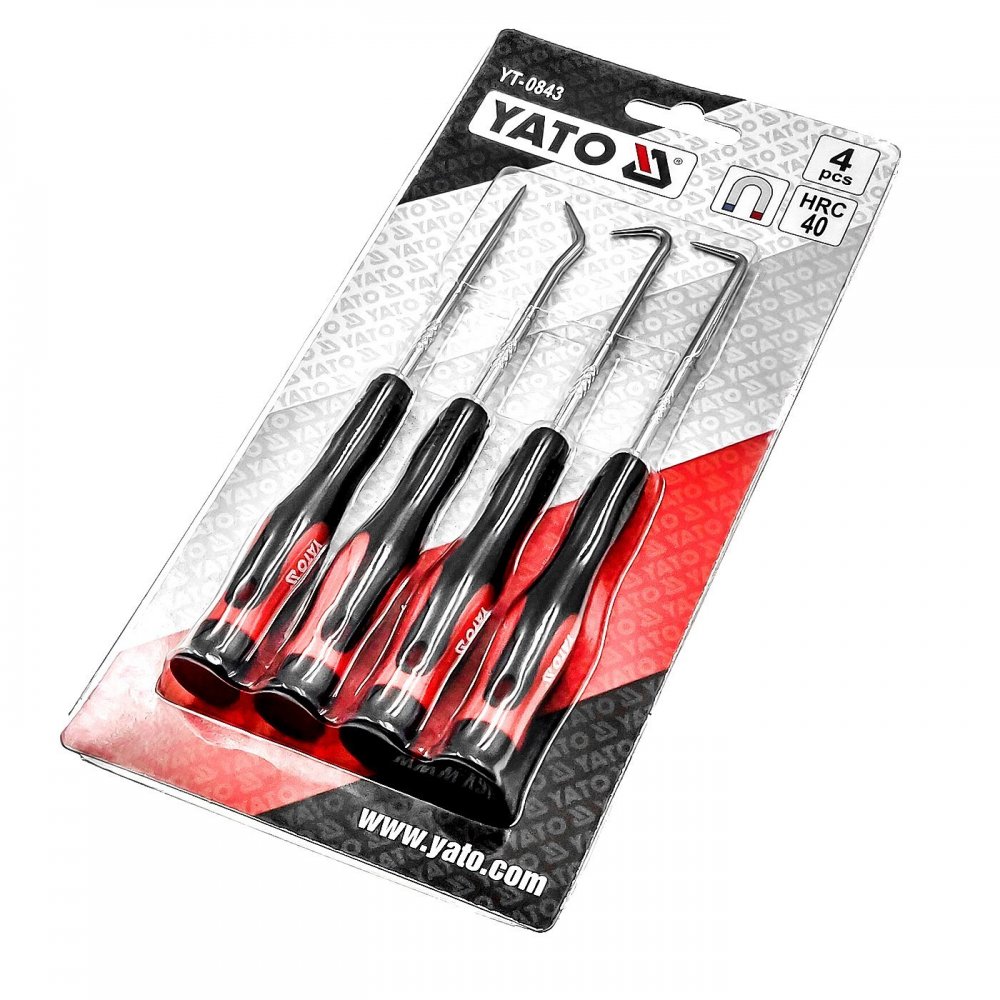 Yato Seal Removal Kit
- Code
- 48005237
- In stock
- 27pcs
- Price excl. VAT
- €2.68/ pcs
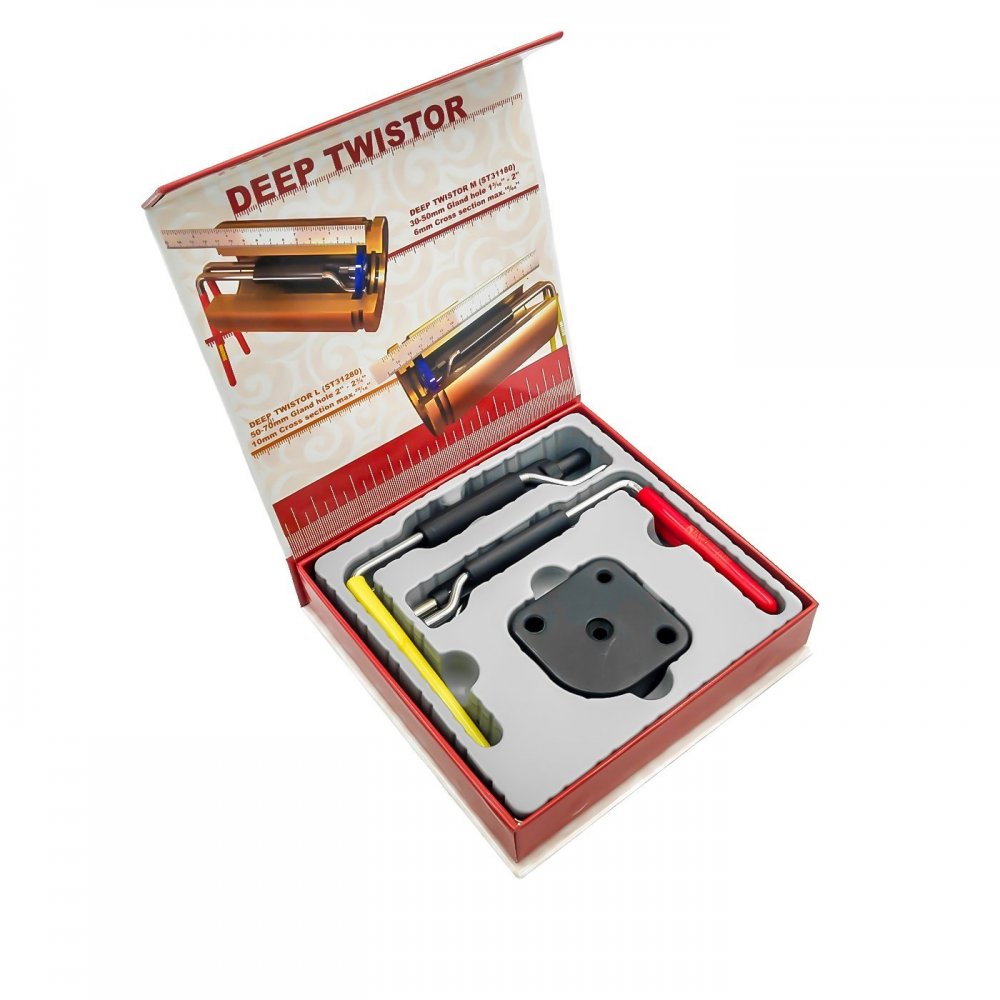 Deep seal twistor set
- Code
- 48003373
- In stock
- On request
- Price excl. VAT
- On request
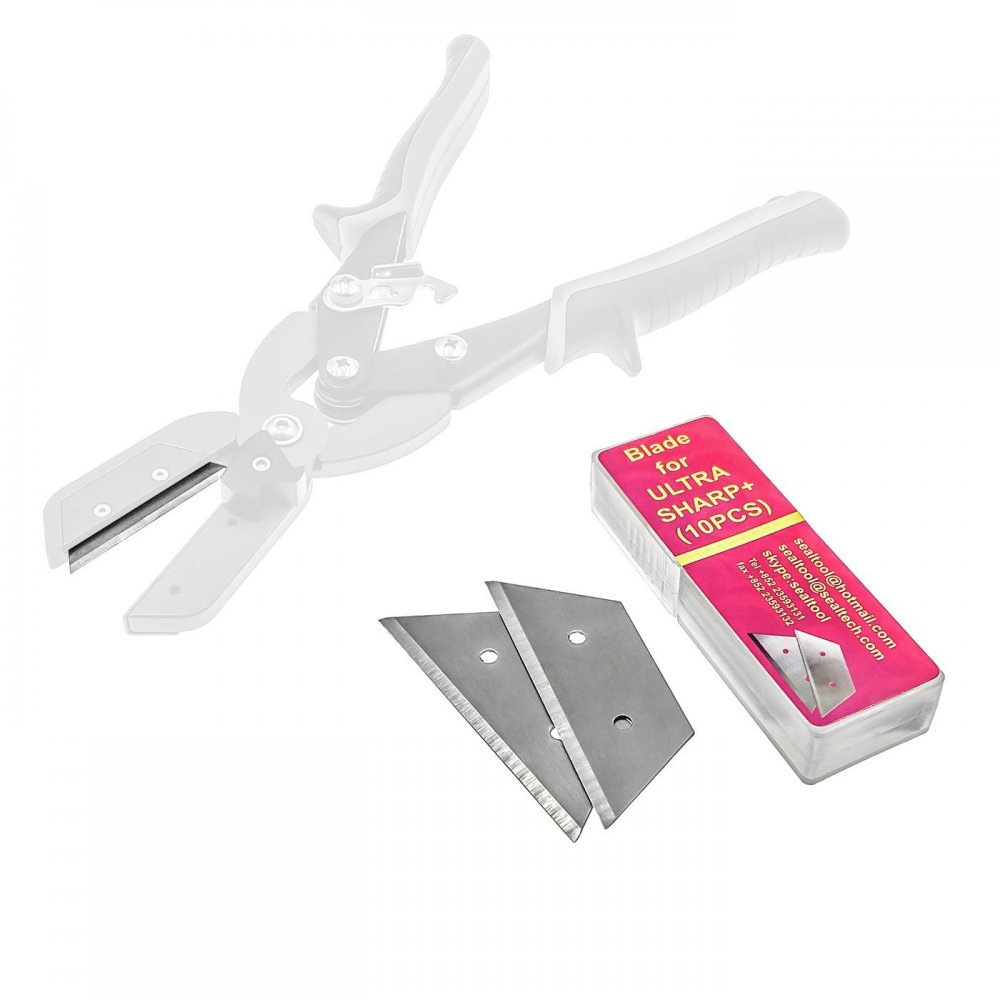 Spare blades for ULTRASHARP scissors (10 pcs.)
- Code
- 48004796
- In stock
- 6pcs
- Price excl. VAT
- €15.99/ pcs